No products in the cart.


Certificate in Computer Operator & Programming Assistant (COPA)
₹6,500.00 ₹3,250.00
50% fee concession will end in
To equip learners with essential skills in computer operation and basic programming to support IT functions and data management tasks.
Description
Course Name: Certificate in Computer Operator & Programming Assistant (COPA)
Course Id: CCOPA/Q1001.
Eligibility: 10th Grade (High School) or Equivalent.
Objective: The Certificate in Computer Operator & Programming Assistant (COPA) is a vocational training program aimed at equipping students with fundamental skills in computer operations, programming, and software usage. This course is designed to prepare individuals for entry-level roles in IT, office operations, and related fields.
Duration: Three Months.
How to Enroll and Get Certified in Your Chosen Course:
Step 1: Choose the course you wish to get certified in.
Step 2: Click on the “Enroll Now” button.
Step 3: Proceed with the enrollment process.
Step 4: Enter your billing details and continue to course fee payment.
Step 5: You will be redirected to the payment gateway. Pay the course and exam fee using one of the following methods:
Debit/Credit Card, Wallet, Paytm, Net Banking, UPI, or Google Pay.
Step 6: After successful payment, you will receive your study material login ID and password via email within 48 hours of fee payment.
Step 7: Once you complete the course, take the online examination.
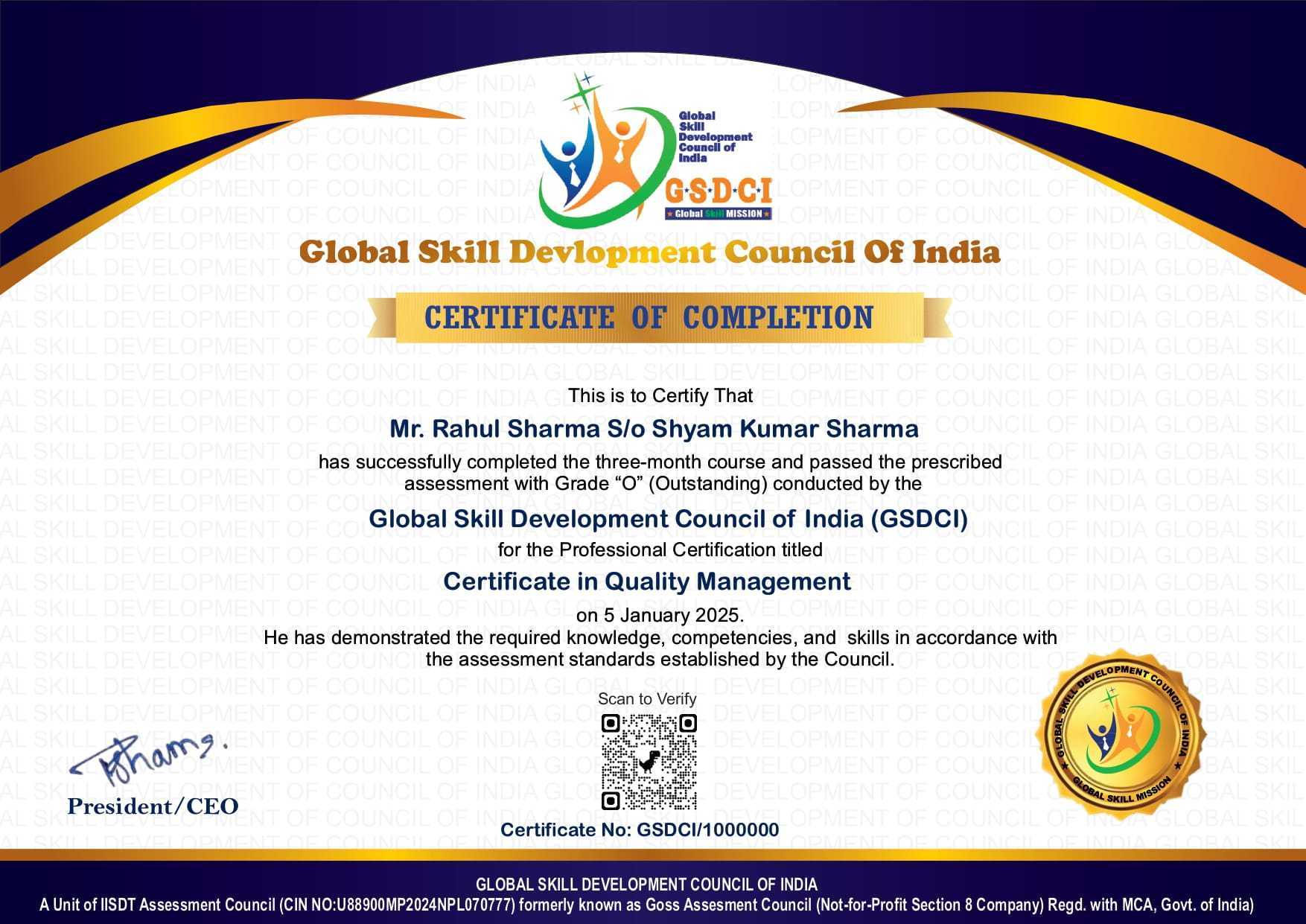
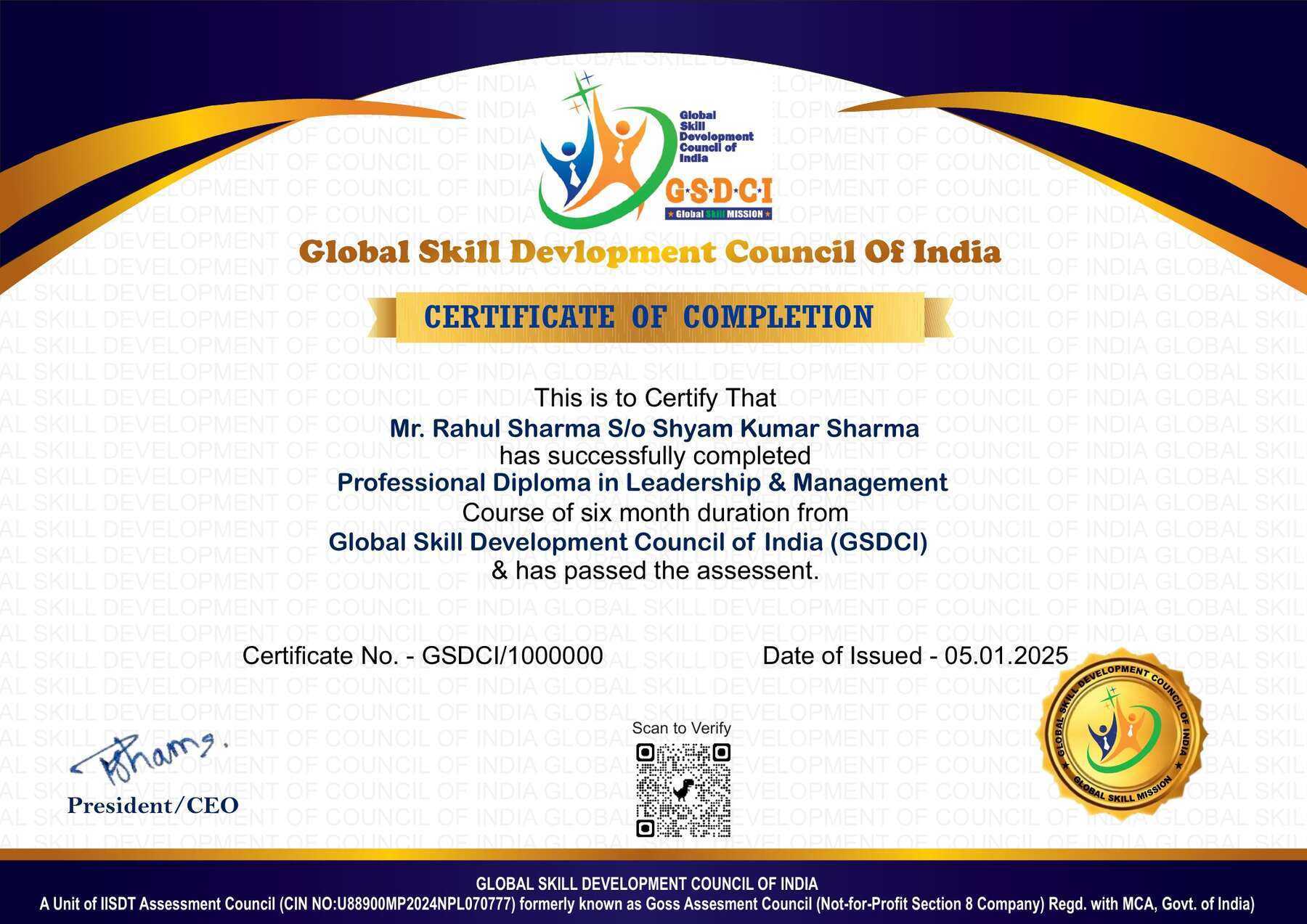
Step 8: Upon passing the examination, you will receive:
• A soft copy (scanned) of your certificate via email within 7 days of examination.
• A hard copy (original with official seal and signature) sent to your address within 45 day of declaration of result.
Step 9: After certification, you will be offered job opportunities aligned with your area of interest.
Online Examination Detail:
Duration- 60 minutes.
No. of Questions- 30. (Multiple Choice Questions).
Maximum Marks- 100, Passing Marks- 40%.
There is no negative marking in this module.
| Marking System: | ||||||
| S.No. | No. of Questions | Marks Each Question | Total Marks | |||
| 1 | 10 | 5 | 50 | |||
| 2 | 5 | 4 | 20 | |||
| 3 | 5 | 3 | 15 | |||
| 4 | 5 | 2 | 10 | |||
| 5 | 5 | 1 | 5 | |||
| 30 | 100 | |||||
| How Students will be Graded: | ||||||
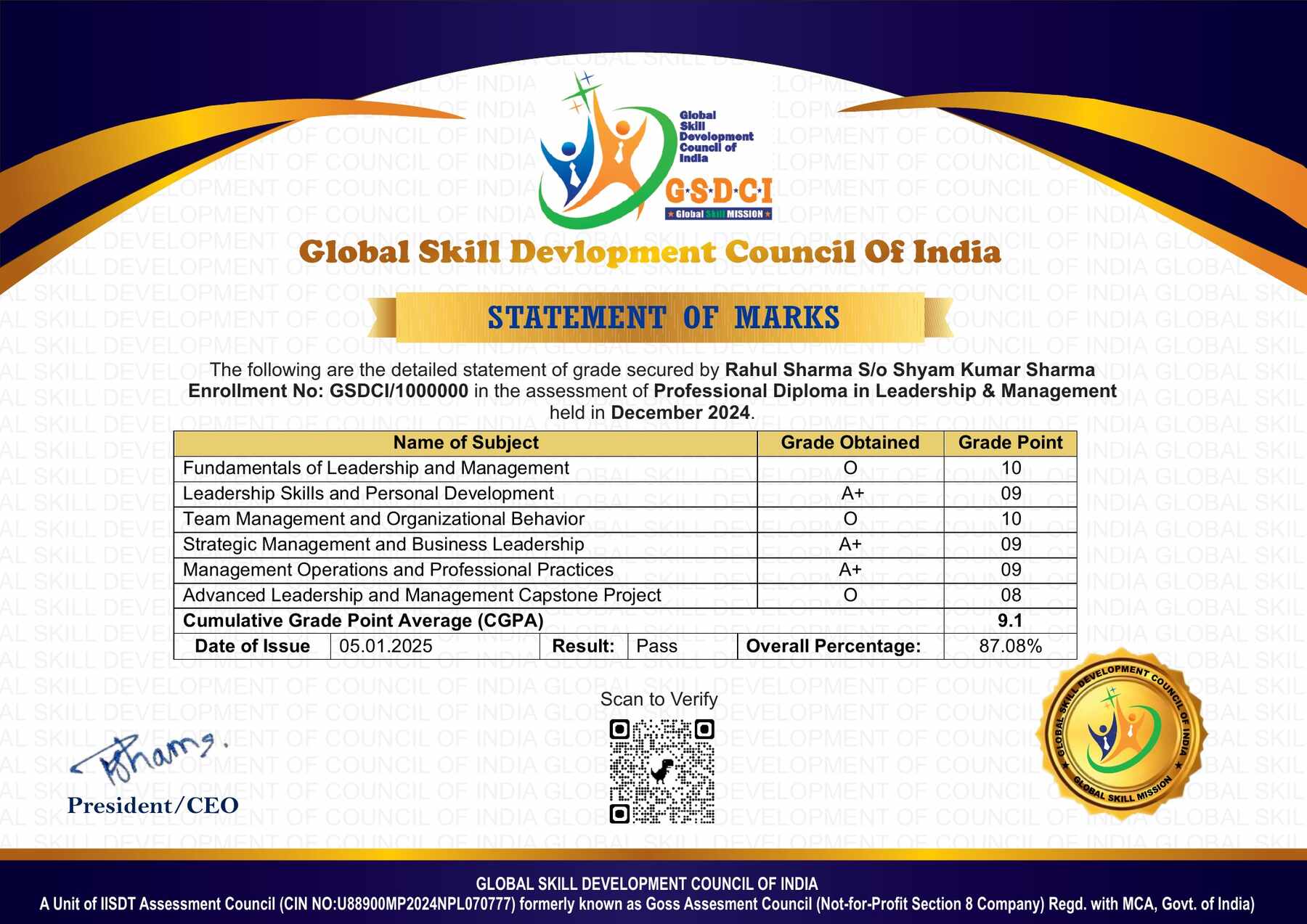
| S.No. | Marks | Grade | ||||
| 1 | 91-100 | O (Outstanding) | ||||
| 2 | 81-90 | A+ (Excellent) | ||||
| 3 | 71-80 | A (Very Good) | ||||
| 4 | 61-70 | B (Good) | ||||
| 5 | 51-60 | C (Average) | ||||
| 6 | 40-50 | P (Pass) | ||||
| 7 | 0-40 | F (Fail) | ||||
Key Benefits of Certification- Earning a professional certification not only validates your skills but also enhances your employability. Here are the major benefits you gain:
Practical, Job-Ready Skills – Our certifications are designed to equip you with real-world, hands-on skills that match current industry demands — helping you become employment-ready from day one.
Lifetime Validity – Your certification is valid for a lifetime — no renewals or expirations. It serves as a permanent proof of your skills and training.
Lifetime Certificate Verification – Employers and institutions can verify your certification anytime through a secure and reliable verification system — adding credibility to your qualifications.
Industry-Aligned Certification –All certifications are developed in consultation with industry experts to ensure that what you learn is current, relevant, and aligned with market needs.
Preferred by Employers – Candidates from ISO-certified institutes are often prioritized by recruiters due to their exposure to standardized, high-quality training.
Free Job Assistance Based on Your Career Interests – Receive personalized job assistance and career guidance in your preferred domain, helping you land the right role faster.
Syllabus
Computer Fundamentals and Programming: Introduction to computers and types, Basic Computer Hardware, Operating systems: Windows, Linux, Basic Software: MS Office, Notepad, etc. Introduction to programming languages (C, C++/Python)
Programming Logic and Design: Problem-solving techniques, Algorithms and flowcharts, Data types, variables, and constants, Operators and expressions, Input/ Output operations, Control structures (loops, conditionals).
Computer Hardware and Networking: Types of computers, Basic components of computer hardware (CPU, Memory, Storage devices), Introduction to networking, LAN, WAN, and network devices, TCP/IP and communication protocols
Operating System and Software Applications: Windows Operating System – features and commands, Introduction to Linux OS, Introduction to MS Office (Word, Excel, PowerPoint), Introduction to database management systems (DBMS).
Database Management Systems: Relational databases, SQL commands (SELECT, INSERT, DELETE, UPDATE), Normalization and database design, Introduction to MySQL/Oracle.
Computer Hardware and Troubleshooting: Introduction to Computer Hardware (Internal Components, Peripheral Devices), Troubleshooting Techniques (Common Hardware and Software Issues, Diagnosing and Solving Problems), Maintenance of Computers (Cleaning, Replacing Parts, Upgrading).
Job Opportunities after Certificate in Computer Operator & Programming Assistant (COPA)
Graduates can pursue careers in computer operations, basic programming, data entry, office administration, and IT support across government departments, private companies, educational institutes, BPOs, and digital service centers. This program builds strong foundational skills in computers, software usage, and entry-level coding, making candidates suitable for both technical and clerical roles.
Top Roles: Computer Operator, Data Entry Operator, IT Support Assistant, Office Assistant, Junior Programmer, Back Office Executive, Internet/Cyber Café Operator, CSC E-Governance Assistant, Typist, Document Assistant, Customer Support Executive (Non-Voice), Lab Assistant
Key Skills: MS Office (Word, Excel, PowerPoint), basic programming (C/C++/Python, HTML), computer fundamentals, operating systems (Windows/Linux), internet and email usage, data entry and typing skills, file management, basic troubleshooting, documentation and reporting, digital service handling
Salary Range (India):
- Entry-level: ₹1.5–3.5 LPA
- Mid-level: ₹3–5 LPA
- Senior-level: ₹5–6.5 LPA
Scope: Opportunities are available in government e-governance centers (CSC), IT and BPO companies, schools and training institutes, banking and insurance support services, retail and trading firms, cyber cafés, and data processing centers. With experience and additional skills in programming, office automation, and IT support, graduates can grow into roles such as Office Executive, System Assistant, Junior Developer, or Technical Support Lead.