Certified User Interface (UI) Designer (Media)

6,500.00 3,250.00

50% fee concession will end in

To train learners in designing visually effective and media-optimized user interfaces for digital platforms using modern UI tools and design principles.

Description

Certification Name: Certified User Interface (UI) Designer (Media)

Global Occupational Skill Standard – GOSS ID: GOSS/JPM/CUID/V1

Eligibility: 10+2 (higher Secondary) or Equivalent or minimum 2 years of relevant experience (experience-based learners can directly enroll and certify).

Objective: The Certified User Interface (UI) Designer (Media) course is tailored to train learners in crafting visually engaging, intuitive, and media-optimized interfaces for websites, mobile apps, OTT platforms, and digital publishing tools. The course focuses on UI design principles such as visual hierarchy, consistency, interactivity, and branding—specifically applied to media-rich environments involving video, audio, text, and imagery.

Certification: Within 5 days after Completion of Online Assessment.

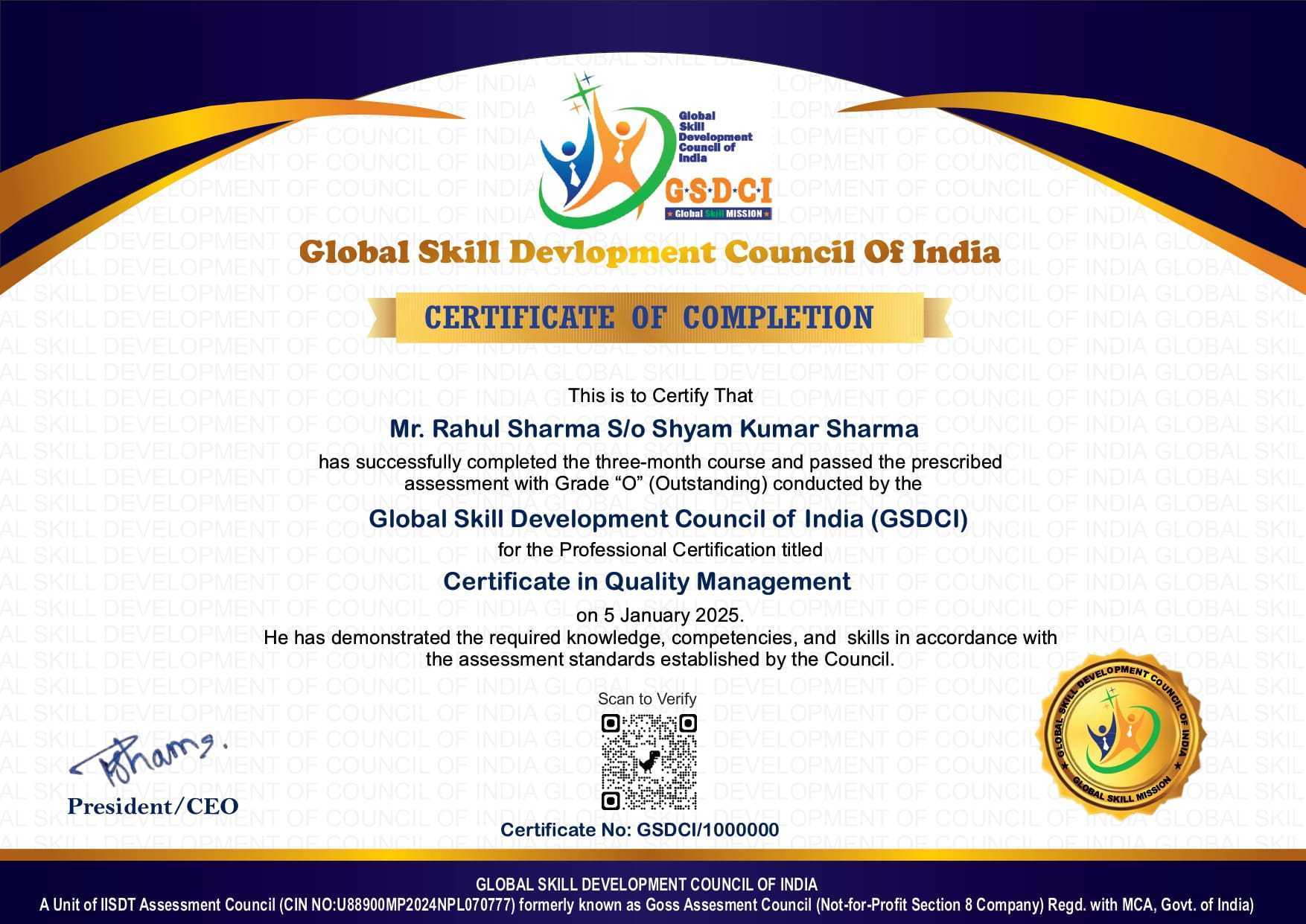
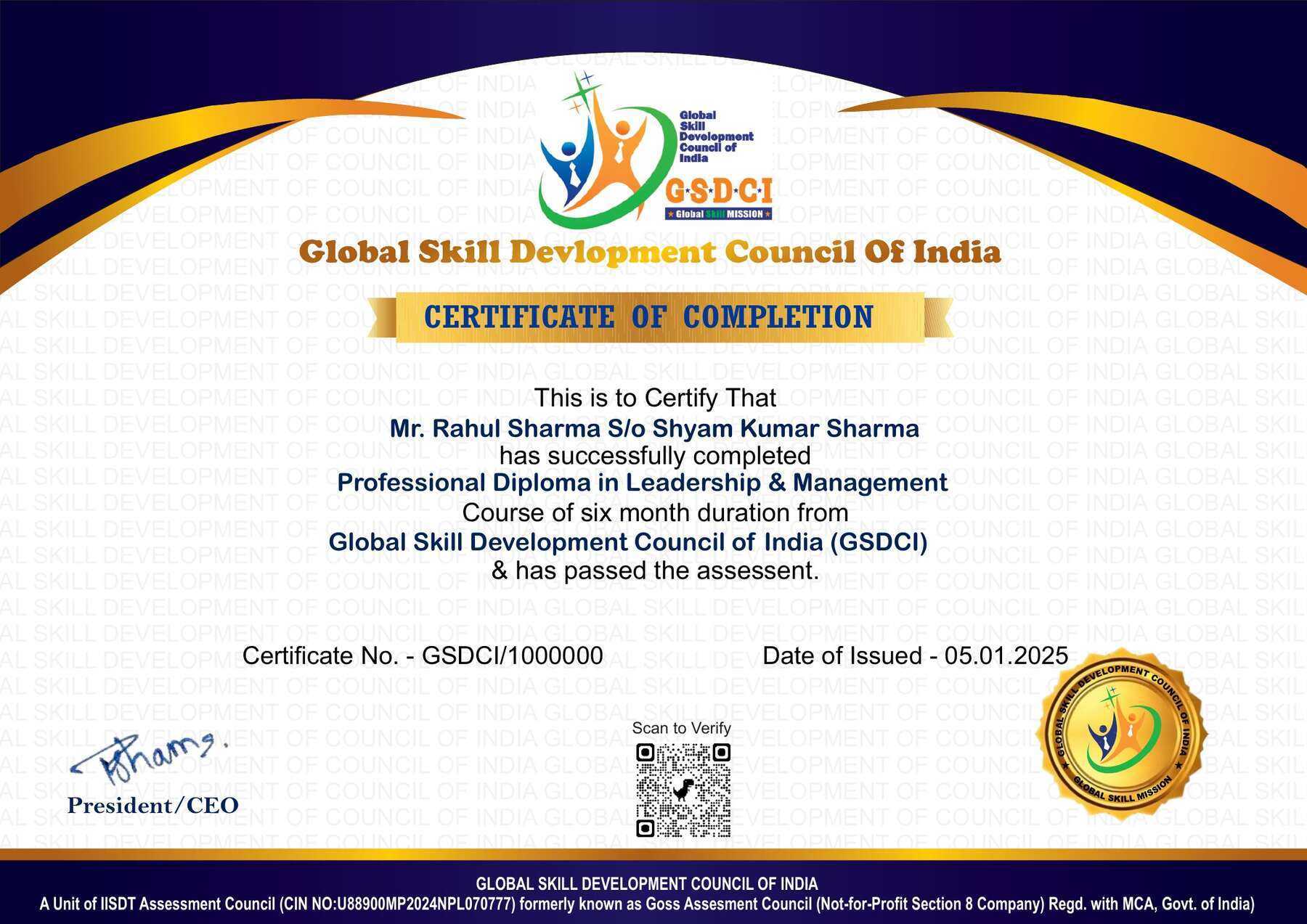
Get ready to join the Journey to become a GSDCI Certified Professional  – International Certification and Assessment Body.

Steps to become a GSDCI Certified Professional:

Step 1: Select your certification you want to pursue.

Step 2: Click on get certified tab, new pop up window will open.

Step 3: Click on pay certification fee, you will be redirected to billing details page.

Step 4: Fill your details and click on pay certification fee, You will be redirected to payment gateway, pay fee by any available options like Card(Debit/Credit), Wallet, Paytm, Net banking, UPI and Google pay.

Step 5: You will get Login Credentials of Online E-Books and Online assessment link on your email id, within 48 hrs of payment.

Step 6: After completion of online assessment, you can download your Certificate Immediately.

Assessment Modules:

Module 1: Fundamentals of UI Design for Media Platforms: Understanding UI design principles specific to media consumption, Types of media platforms: OTT, news portals, streaming apps, digital publications, Difference between UI and UX in media interfaces, Key UI elements for media: players, carousels, thumbnails, menus, Color theory, typography, and branding for visual storytelling, Accessibility and responsive design fundamentals.

Module 2: UI Design Tools and Workflow: Introduction to industry tools: Figma, Adobe XD, Sketch, Affinity Designer, Setting up design systems and reusable components for consistency, Creating mood boards, style tiles, and UI kits for media brands, Working with artboards for multiple screen sizes and devices, Managing collaborative design workflows and version control, Exporting assets and handoff to developers using design specs.

Module 3: Designing Interfaces for Media-Rich Applications: Designing intuitive layouts for audio, video, and article content, UI patterns for live streaming, VOD, podcasts, galleries, and breaking news, Designing cards, grids, modals, and interactive media elements, Crafting navigation menus, playback controls, and content filters, Creating personalized media dashboards and watchlists, Adaptive layouts for mobile, tablet, desktop, and smart TVs.

Module 4: Interaction Design and Micro-Animations: Basics of interaction design and creating dynamic UIs, Designing user feedback through hover states, transitions, and gestures, Prototyping interactions using Figma Smart Animate, Principle, or After Effects, Micro-interactions in media platforms (likes, shares, play buttons, toggles), Animating overlays, intro screens, and video transitions, Balancing aesthetics with performance and usability.

Module 5: Usability, Testing, and Performance Optimization: Creating wireframes and interactive prototypes for testing, Conducting usability tests for media interfaces (remote and in-person), Gathering user feedback and incorporating design iterations, Ensuring fast load times and responsive performance for UI components, Designing for low-bandwidth or offline content access, Accessibility testing for compliance with WCAG standards.

Module 6: Project Development and Career Preparation: Designing and presenting a complete UI project for a media platform, Building a professional UI design portfolio with media use cases, Creating documentation: design briefs, rationale, and component libraries, Collaborating with UX designers, developers, and content teams, Preparing for interviews, freelancing, or agency roles in media design, Staying updated with trends: AI in UI, OTT evolution, immersive UI design.

GSDCI Online Assessment Detail:

  • Duration- 60 minutes.
  • Number of Questions- 30.
  • Number of Questions from each module: 5.
  • Language: English.
  • Exam Type: Multiple Choice Questions.
  • Maximum Marks- 100, Passing Marks- 50%.
  • There is no negative marking in any module.
Marking System:
S.No. No. of Questions Marks Each Question Total Marks
1 10 5 50
2 5 4 20
3 5 3 15
4 5 2 10
5 5 1 5
30   100
How Students will be Graded:
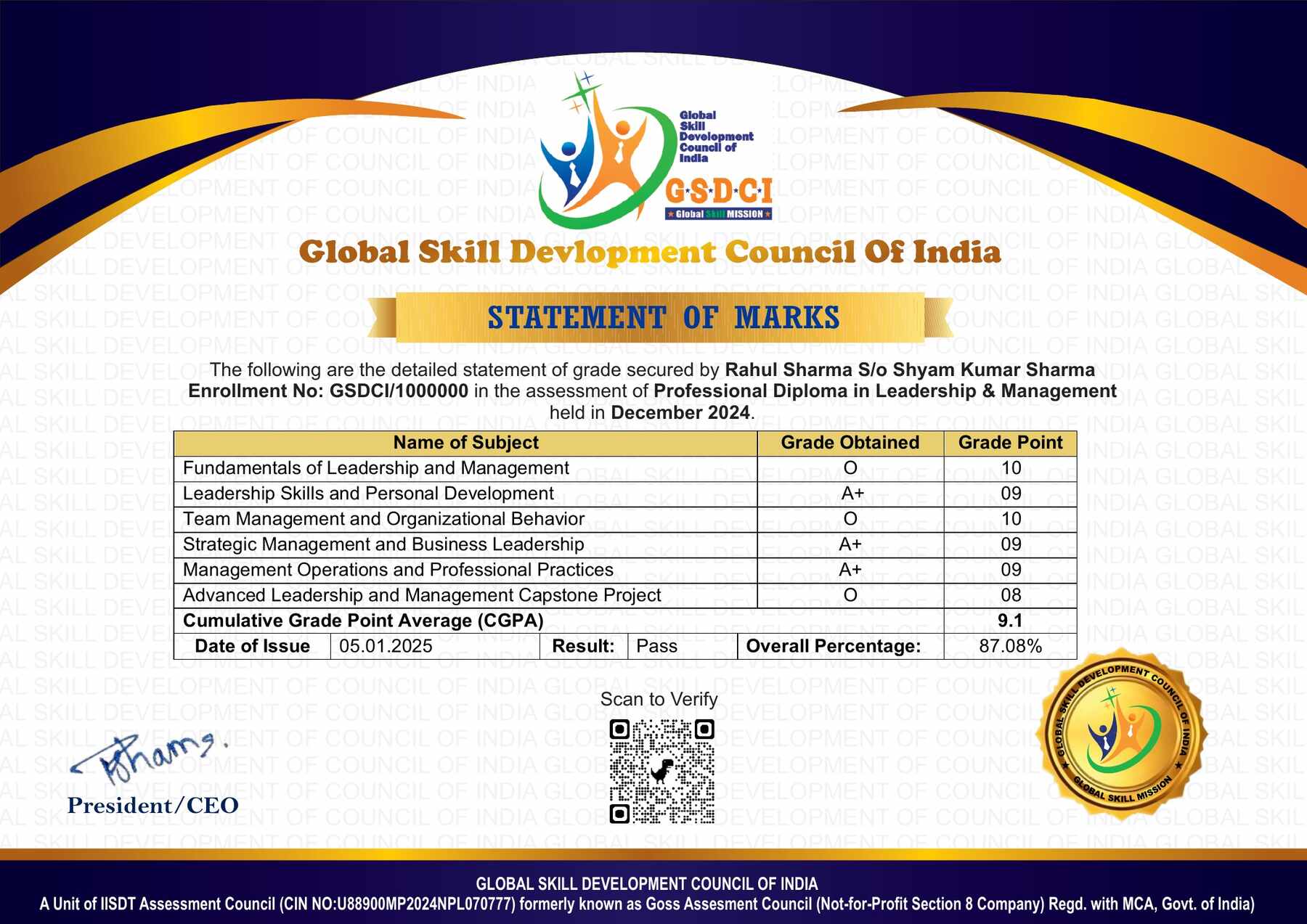
S.No. Marks Grade
1 91-100 O (Outstanding)
2 81-90 A+ (Excellent)
3 71-80 A (Very Good)
4 61-70 B (Good)
5 50-60 P (Pass)
6  0-49 F (Fail)


Benefits of Certification:

🌍 1. Global Recognition & Credibility – Stand out worldwide with a certification that opens doors across borders. Trusted by employers, respected by institutions, and recognized in over 100 countries.

📜 2. Quality Assurance through ISO Certification – Certified to global ISO standards, our programs deliver excellence, consistency, and a benchmarked learning experience that speaks for itself.

💼 3. Career Advancement & Employability – Enhances your resume and increases chances of promotions or job offers.

🤝 4. Non-Profit Trust Factor – Certifications from non-profit organizations are mission-driven rather than profit-driven.

📚 5. Access to Verified Learning & Resources – Often includes e-books, mock tests, and online support without hidden costs.

🔍 6. Transparency & Online Verification – Certifications come with a unique Enrolment ID for easy online verification by employers and institutions.

⏳ 7. Lifetime or Long-Term Validity – Certifications usually have lifetime validity or long-term recognition, reducing the need for frequent renewals.