
No products in the cart.


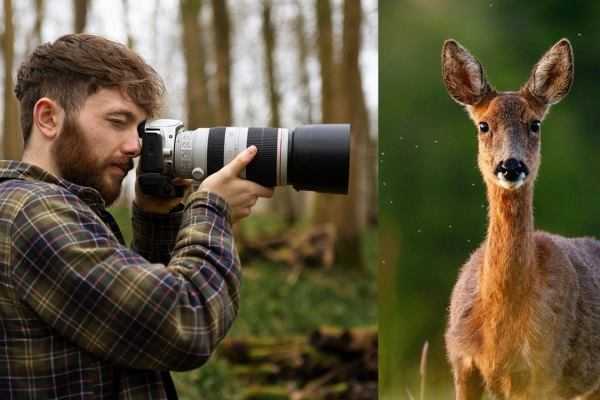
Certified Wildlife Photographer
₹6,500.00 ₹3,250.00
50% fee concession will end in
To equip participants with the knowledge, technical skills, and ethical practices required to professionally photograph wildlife in natural environments.
Description
Course Name: Certified Wildlife Photographer
Global Occupational Skill Standard – GOSS ID: GOSS/AD/CWP/V1
Eligibility: 10+2 (Higher Secondary) or Equivalent or minimum 2 years of relevant experience (experience-based learners can directly enroll and certify).
Objective: The Certified Wildlife Photographer course aims to develop competent and responsible wildlife photographers by providing comprehensive training in camera handling, composition, field techniques, wildlife behavior, and ethical practices. The course focuses on fostering technical excellence, conservation awareness, and storytelling through imagery. Participants will learn how to work safely and respectfully in wild habitats, use professional-grade equipment, and produce impactful photographs that promote biodiversity conservation and environmental stewardship.
Certification: Within 5 days after Completion of Online Assessment.
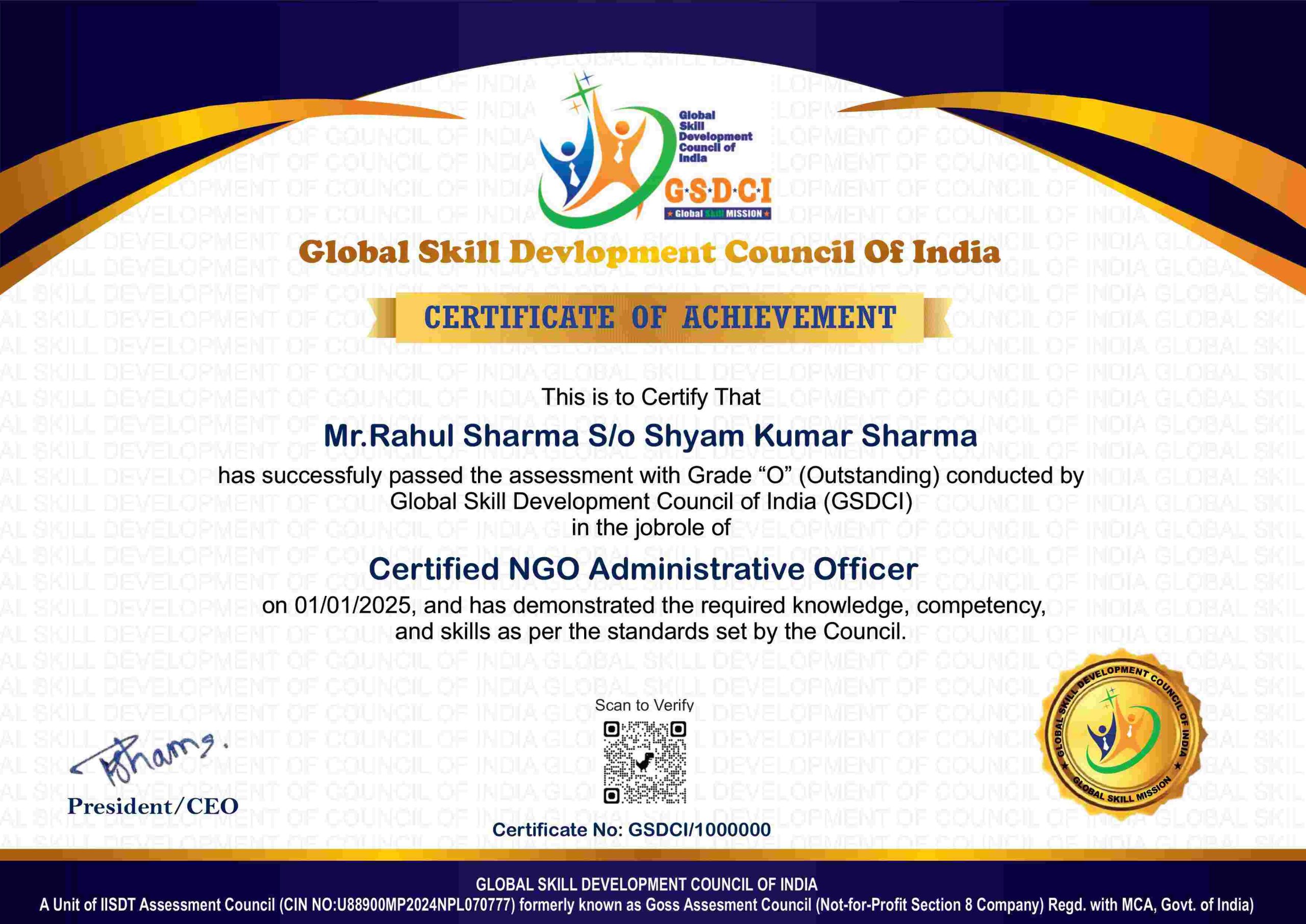
Get ready to join the Journey to become a GSDCI Certified Professional – International Certification and Assessment Body.
Steps to become a GSDCI Certified Professional:
Step 1: Select your certification you want to pursue.
Step 2: Click on get certified tab, new pop up window will open.
Step 3: Click on pay certification fee, you will be redirected to billing details page.
Step 4: Fill your details and click on pay certification fee, You will be redirected to payment gateway, pay fee by any available options like Card(Debit/Credit), Wallet, Paytm, Net banking, UPI and Google pay.
Step 5: You will get Login Credentials of Online E-Books and Online assessment link on your email id, within 48 hrs of payment.
Step 6: After completion of the online assessment, the soft copy of your certificate will be sent to your registered email ID within 5 days.
Assessment Modules:
Module 1: Introduction to Wildlife Photography: History and evolution of wildlife photography, Understanding the role of a wildlife photographer, Ethical considerations and conservation responsibility, Types of wildlife photography (macro, birds, mammals, underwater), Overview of global wildlife photography trends, Introduction to basic photography gear.
Module 2: Camera Gear and Technical Foundations: Understanding DSLR and mirrorless cameras, Choosing the right lens for wildlife photography, Settings: ISO, aperture, shutter speed, Autofocus systems and shooting modes, Use of tripods, monopods, and gimbals, Essential accessories (remotes, filters, memory cards).
Module 3: Field Techniques and Composition: Approaching wildlife safely and ethically, Tracking and anticipating animal behavior, Composition techniques specific to wildlife, Using light and natural elements creatively, Shooting in different environments (forest, savannah, wetlands), Importance of patience and timing.
Module 4: Post-Processing and Image Management: Introduction to Lightroom and Photoshop, RAW image workflow and color correction, Cropping and composition refinement, Noise reduction and sharpening techniques, Metadata, watermarking, and copyrighting, Archiving and backing up images.
Module 5: Wildlife and Ecology Knowledge: Animal behavior and habitat basics, Bird migration and seasonal patterns, Understanding ecosystems and food chains, Threatened species and conservation issues, Working with local guides and researchers, Building a field journal for species documentation.
Module 6: Career Development and Portfolio Building: Creating a professional wildlife portfolio, Social media and online presence strategies, Writing captions and stories for photojournalism, Participating in contests and exhibitions, Working with magazines and agencies, Legalities, permits, and safety protocols.
GSDCI Online Assessment Detail:
- Duration- 60 minutes.
- Number of Questions- 30.
- Number of Questions from each module: 5.
- Language: English.
- Exam Type: Multiple Choice Questions.
- Maximum Marks- 100, Passing Marks- 50%.
- There is no negative marking in any module.
| Marking System: | |||
| S.No. | No. of Questions | Marks Each Question | Total Marks |
| 1 | 10 | 5 | 50 |
| 2 | 5 | 4 | 20 |
| 3 | 5 | 3 | 15 |
| 4 | 5 | 2 | 10 |
| 5 | 5 | 1 | 5 |
| 30 | 100 | ||
| How Students will be Graded: | |||
| S.No. | Marks | Grade | |
| 1 | 91-100 | O (Outstanding) | |
| 2 | 81-90 | A+ (Excellent) | |
| 3 | 71-80 | A (Very Good) | |
| 4 | 61-70 | B (Good) | |
| 5 | 50-60 | P (Pass) | |
| 6 | 0-49 | F (Fail) | |
Benefits of Certification:
1. Global Recognition & Credibility – Stand out worldwide with a certification that opens doors across borders. Trusted by employers, respected by institutions, and recognized in over 100 countries.
2. Quality Assurance through ISO Certification – Certified to global ISO standards, our programs deliver excellence, consistency, and a benchmarked learning experience that speaks for itself.
3. Career Advancement & Employability – Enhances your resume and increases chances of promotions or job offers.
4. Non-Profit Trust Factor – Certifications from non-profit organizations are mission-driven rather than profit-driven.
5. Access to Verified Learning & Resources – Often includes e-books, mock tests, and online support without hidden costs.
6. Transparency & Online Verification – Certifications come with a unique Enrolment ID for easy online verification by employers and institutions.
7. Lifetime or Long-Term Validity – Certifications usually have lifetime validity or long-term recognition, reducing the need for frequent renewals.



Reviews
There are no reviews yet.