Description
Certification Name: Certified Advanced Pranayama Instructor
Global Occupational Skill Standard – GOSS ID: GOSS/YM/CAPI/V1
Eligibility: 10+2 (higher Secondary) or Equivalent or minimum 2 years of relevant experience (experience-based learners can directly enroll and certify).
Objective: The objective of the Certified Advanced Pranayama Instructor course is to provide in-depth training in advanced yogic breathing techniques rooted in classical texts such as the Hatha Yoga Pradipika and the Gheranda Samhita. This course is designed to deepen the understanding and application of subtle pranic control, breath retention (kumbhaka), energy channel purification (nadi shodhana), and higher states of awareness through breath mastery.
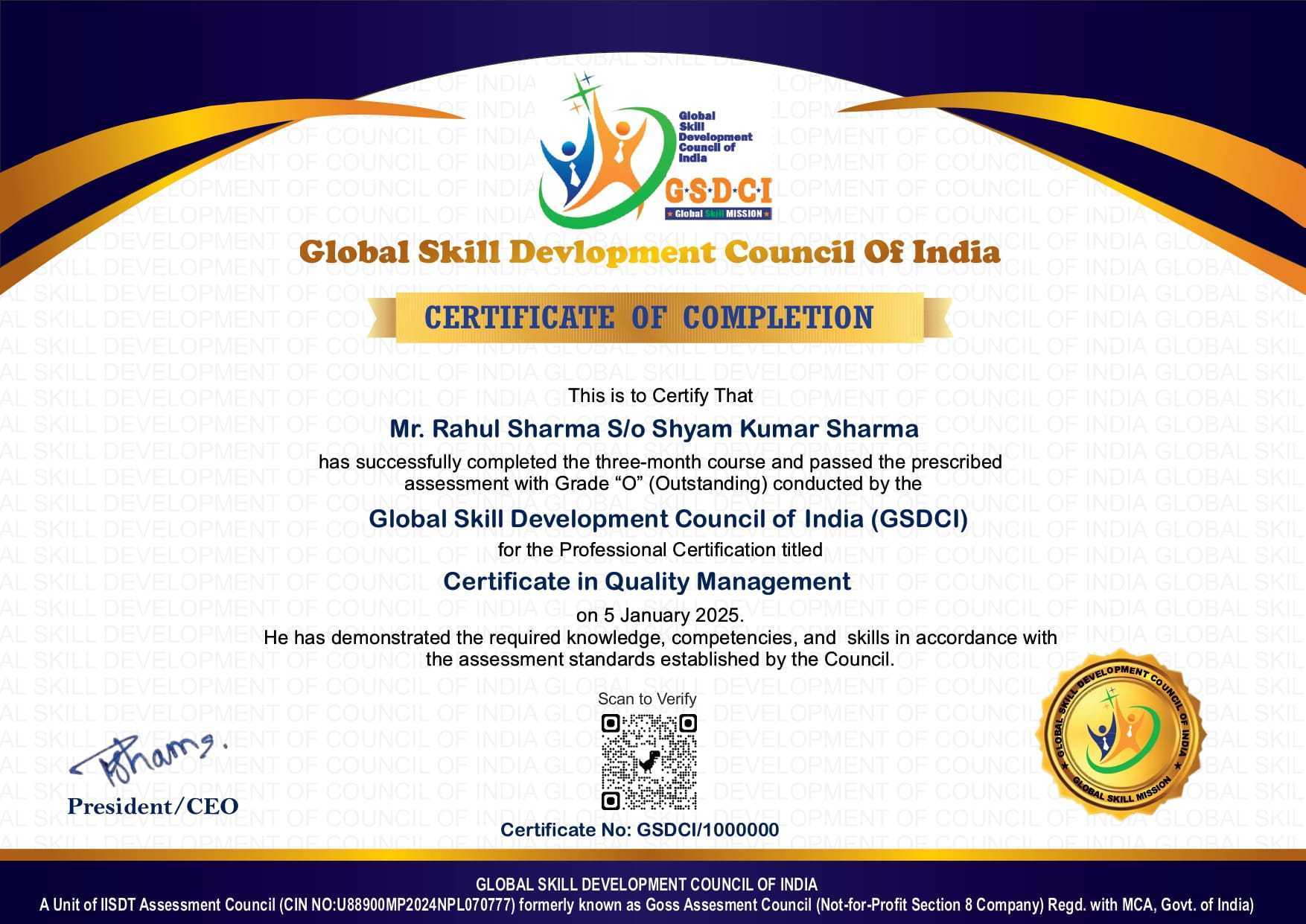
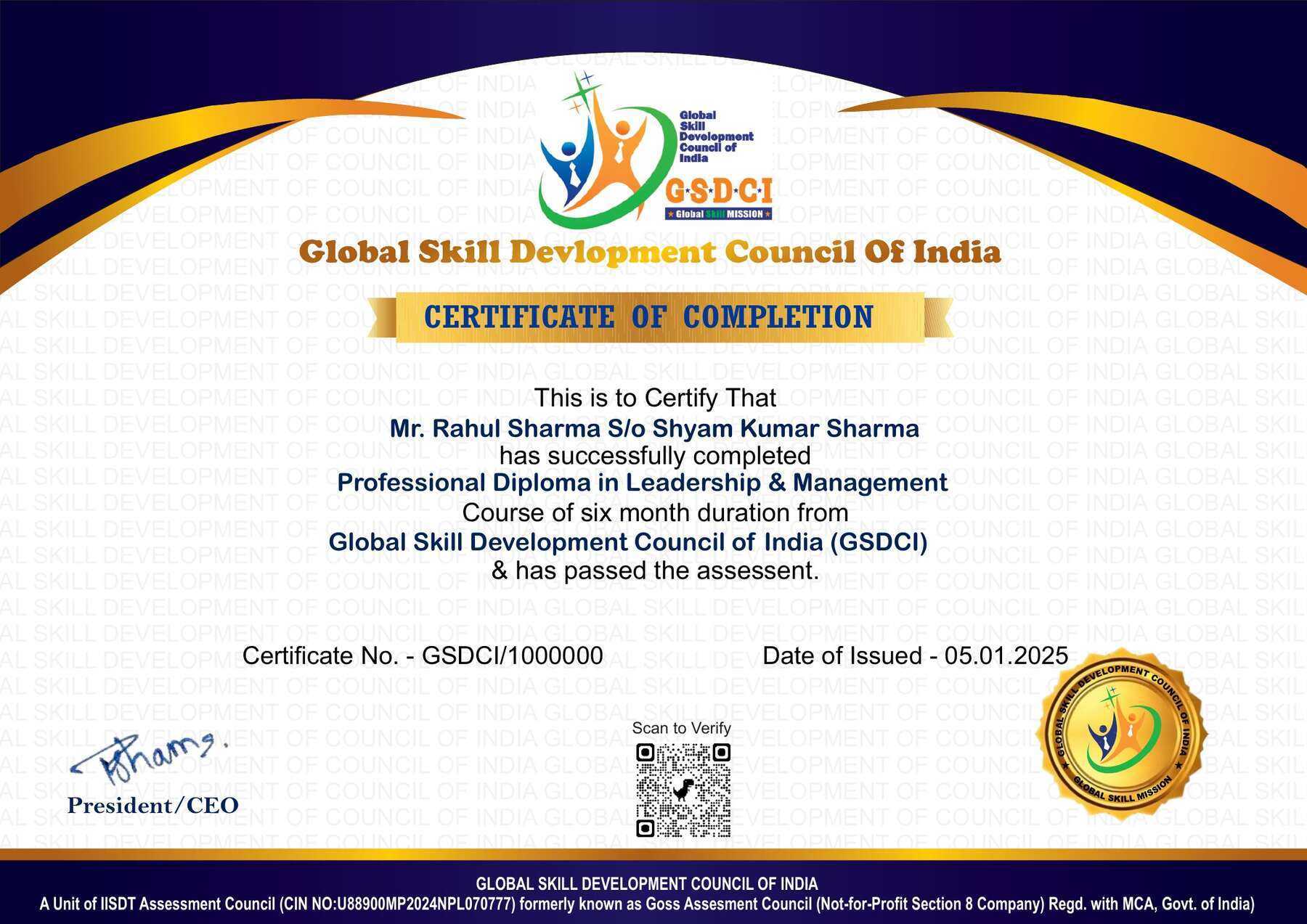
Certification: Within 5 days after Completion of Online Assessment.
Get ready to join the Journey to become a GSDCI Certified Professional – International Certification and Assessment Body.
Steps to become a GSDCI Certified Professional:
Step 1: Select your certification you want to pursue.
Step 2: Click on get certified tab, new pop up window will open.
Step 3: Click on pay certification fee, you will be redirected to billing details page.
Step 4: Fill your details and click on pay certification fee, You will be redirected to payment gateway, pay fee by any available options like Card(Debit/Credit), Wallet, Paytm, Net banking, UPI and Google pay.
Step 5: You will get Login Credentials of Online E-Books and Online assessment link on your email id, within 48 hrs of payment.
Step 6: After completion of online assessment, you can download your Certificate Immediately.
Assessment Modules:
Module 1: Introduction to Advanced Pranayama: The history and philosophy of Pranayama in yogic traditions, Key principles and concepts of Pranayama (Prana, life force, energy flow), The relationship between breath and mind in advanced practices, The role of Pranayama in the yogic path (Kriya, meditation, self-realization), Understanding the subtle body (nadis, chakras, and energy channels), Overview of advanced Pranayama techniques and their therapeutic benefits.
Module 2: The Science and Physiology of Pranayama: Understanding the anatomy of the breath (diaphragm, lungs, rib cage), The impact of Pranayama on the autonomic nervous system (sympathetic vs. parasympathetic), How Pranayama influences brain activity, hormones, and mood, The effects of Pranayama on heart rate variability, blood pressure, and oxygenation, Exploring the role of Pranayama in detoxification and cleansing, The physiological and energetic benefits of advanced Pranayama techniques.
Module 3: Advanced Pranayama Techniques: In-depth exploration of advanced Pranayama practices (e.g., Ujjayi, Bhastrika, Kapalbhati, Anulom Vilom, Surya Bhedana, Chandra Bhedana), Step-by-step guidance on teaching and practicing each advanced technique, The role of retention (Kumbhaka) in advanced Pranayama, How to build and structure a Pranayama session for different needs, The use of breathlocks (Bandhas) and their integration with Pranayama, Techniques for balancing the flow of energy and calming the mind through breath.
Module 4: Pranayama for Physical Health and Healing: Using Pranayama for respiratory health, lung capacity, and detoxification, Pranayama for stress relief, anxiety reduction, and emotional regulation, Techniques for boosting energy, vitality, and mental clarity, Breath practices for strengthening the immune system and balancing hormones, Pranayama for enhancing digestion and improving sleep quality, Exploring Pranayama for chronic conditions (e.g., asthma, hypertension, insomnia).
Module 5: Teaching Advanced Pranayama: How to guide students in advanced Pranayama practices safely and effectively, Adjusting Pranayama techniques for individual students (e.g., beginners vs. advanced practitioners), Managing physical discomfort, anxiety, and dizziness during Pranayama, How to support students in deepening their Pranayama practice with mindfulness and focus, Modifying Pranayama for different environments (e.g., yoga classes, retreats, workshops), Encouraging students to develop their own Pranayama practice at home.
Module 6: Ethics, Professionalism, and Advancing Your Pranayama Practice: Ethical responsibilities as an advanced Pranayama instructor (confidentiality, respect, integrity), Understanding the importance of self-practice and continued learning, Building trust and rapport with students, Teaching Pranayama with clarity, compassion, and precision, How to structure and promote Pranayama workshops and courses, Continuing education, networking, and collaboration within the broader yoga and Pranayama community.
GSDCI Online Assessment Detail:
- Duration- 60 minutes.
- Number of Questions- 30.
- Number of Questions from each module: 5.
- Language: English.
- Exam Type: Multiple Choice Questions.
- Maximum Marks- 100, Passing Marks- 50%.
- There is no negative marking in any module.
| Marking System: | |||
| S.No. | No. of Questions | Marks Each Question | Total Marks |
| 1 | 10 | 5 | 50 |
| 2 | 5 | 4 | 20 |
| 3 | 5 | 3 | 15 |
| 4 | 5 | 2 | 10 |
| 5 | 5 | 1 | 5 |
| 30 | 100 | ||
| How Students will be Graded: | |||
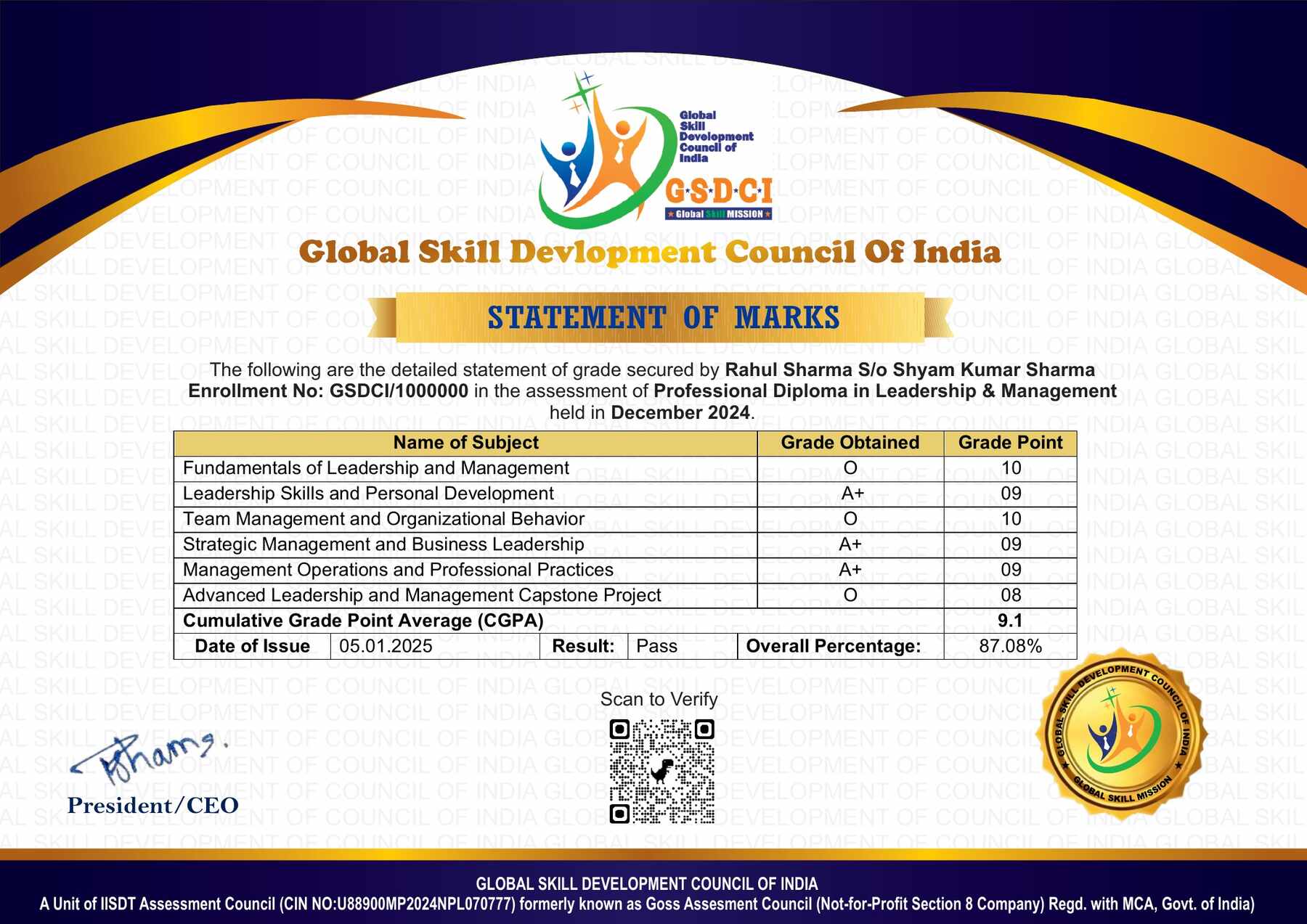
| S.No. | Marks | Grade | |
| 1 | 91-100 | O (Outstanding) | |
| 2 | 81-90 | A+ (Excellent) | |
| 3 | 71-80 | A (Very Good) | |
| 4 | 61-70 | B (Good) | |
| 5 | 50-60 | P (Pass) | |
| 6 | 0-49 | F (Fail) | |
Benefits of Certification:
🌍 1. Global Recognition & Credibility – Stand out worldwide with a certification that opens doors across borders. Trusted by employers, respected by institutions, and recognized in over 100 countries.
📜 2. Quality Assurance through ISO Certification – Certified to global ISO standards, our programs deliver excellence, consistency, and a benchmarked learning experience that speaks for itself.
💼 3. Career Advancement & Employability – Enhances your resume and increases chances of promotions or job offers.
🤝 4. Non-Profit Trust Factor – Certifications from non-profit organizations are mission-driven rather than profit-driven.
📚 5. Access to Verified Learning & Resources – Often includes e-books, mock tests, and online support without hidden costs.
🔍 6. Transparency & Online Verification – Certifications come with a unique Enrolment ID for easy online verification by employers and institutions.
⏳ 7. Lifetime or Long-Term Validity – Certifications usually have lifetime validity or long-term recognition, reducing the need for frequent renewals.

Reviews
There are no reviews yet.