No products in the cart.


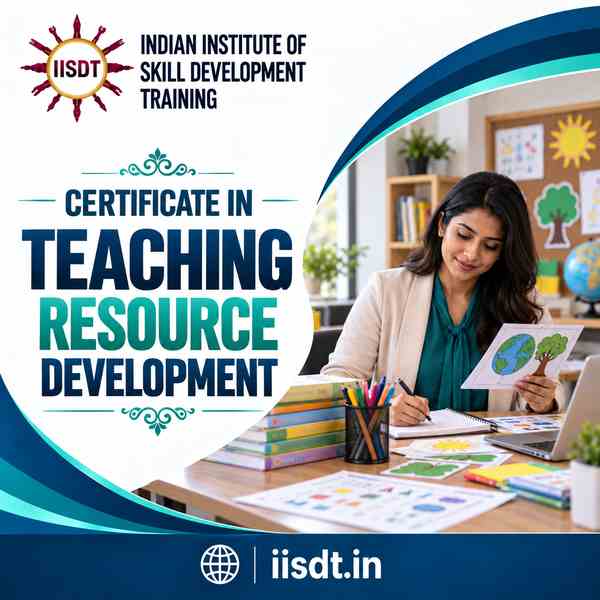
Certificate in Teaching Resource Development
₹7,000.00 ₹3,500.00
50% fee concession will end in
To develop basic skills in planning, creating, organizing, and evaluating effective teaching resources.
Description
Course Name: Certificate in Teaching Resource Development
Course Id: CTRD/Q0001
Eligibility: 10+2 (Higher Secondary) or equivalent.
Objective: The Certificate in Teaching Resource Development develops practical skills to plan, create and evaluate resources that support classroom teaching and independent learning. The course covers curriculum alignment, worksheets, visual aids, activity materials, digital resources, teacher guidance, accessibility and resource organization. It prepares learners to support teaching resource production for schools, tutoring centres, educational publishers and training institutions.
Duration: Three Months.
How to Enroll and Get Certified in Your Chosen Course:
Step 1: Choose the course you wish to get certified in.
Step 2: Click on the “Enroll Now” button.
Step 3: Proceed with the enrollment process.
Step 4: Enter your billing details and continue to course fee payment.
Step 5: Pay the course and examination fee through the payment gateway using Debit/Credit Card, Wallet, Paytm, Net Banking, UPI or Google Pay.
Step 6: After successful payment, receive your study material login ID and password via email within 48 hours.
Step 7: Complete the course and take the online examination.
Step 8: Upon passing the examination, receive:
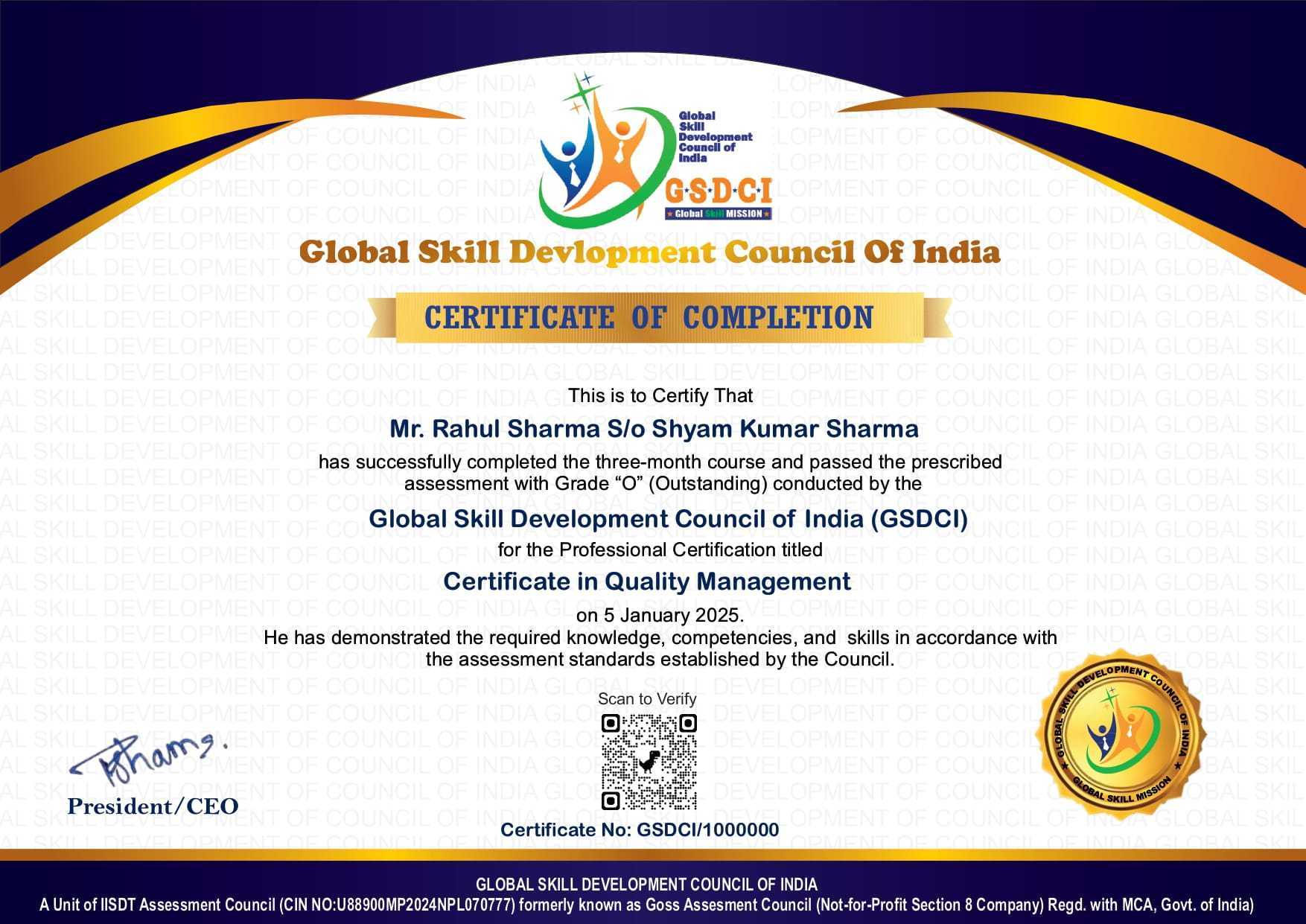
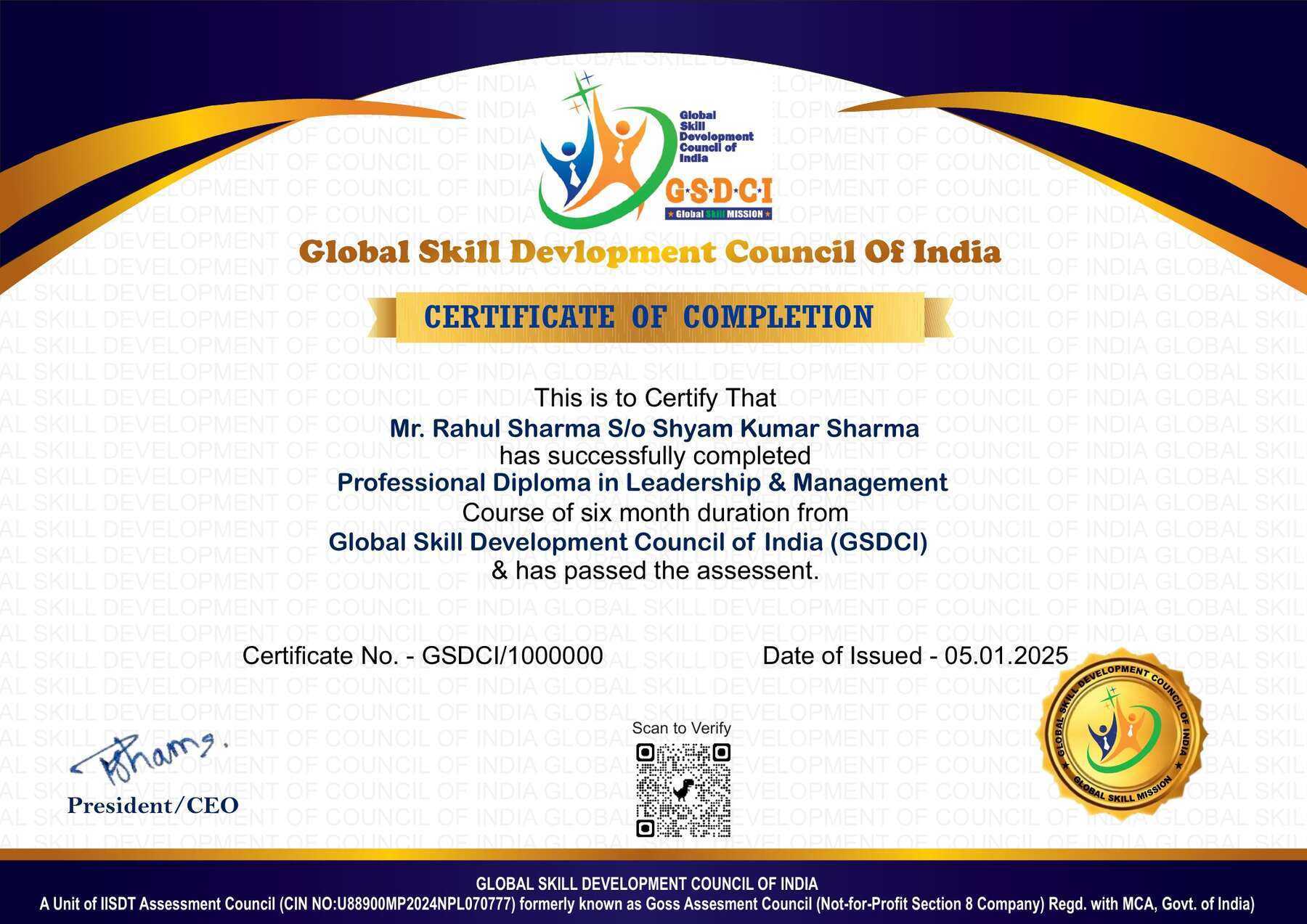
- A soft copy of your certificate via email within 7 days of the examination.
- A hard copy, with official seal and signature, at your address within 45 days of the declaration of the result.
Step 9: Receive job assistance aligned with your area of interest.
Online Examination Detail:
Duration- 60 minutes.
No. of Questions- 30. (Multiple Choice Questions).
Maximum Marks- 100, Passing Marks- 40%.
There is no negative marking in this module.
| Marking System: | ||||||
| S.No. | No. of Questions | Marks Each Question | Total Marks | |||
| 1 | 10 | 5 | 50 | |||
| 2 | 5 | 4 | 20 | |||
| 3 | 5 | 3 | 15 | |||
| 4 | 5 | 2 | 10 | |||
| 5 | 5 | 1 | 5 | |||
| 30 | 100 | |||||
| How Students will be Graded: | ||||||
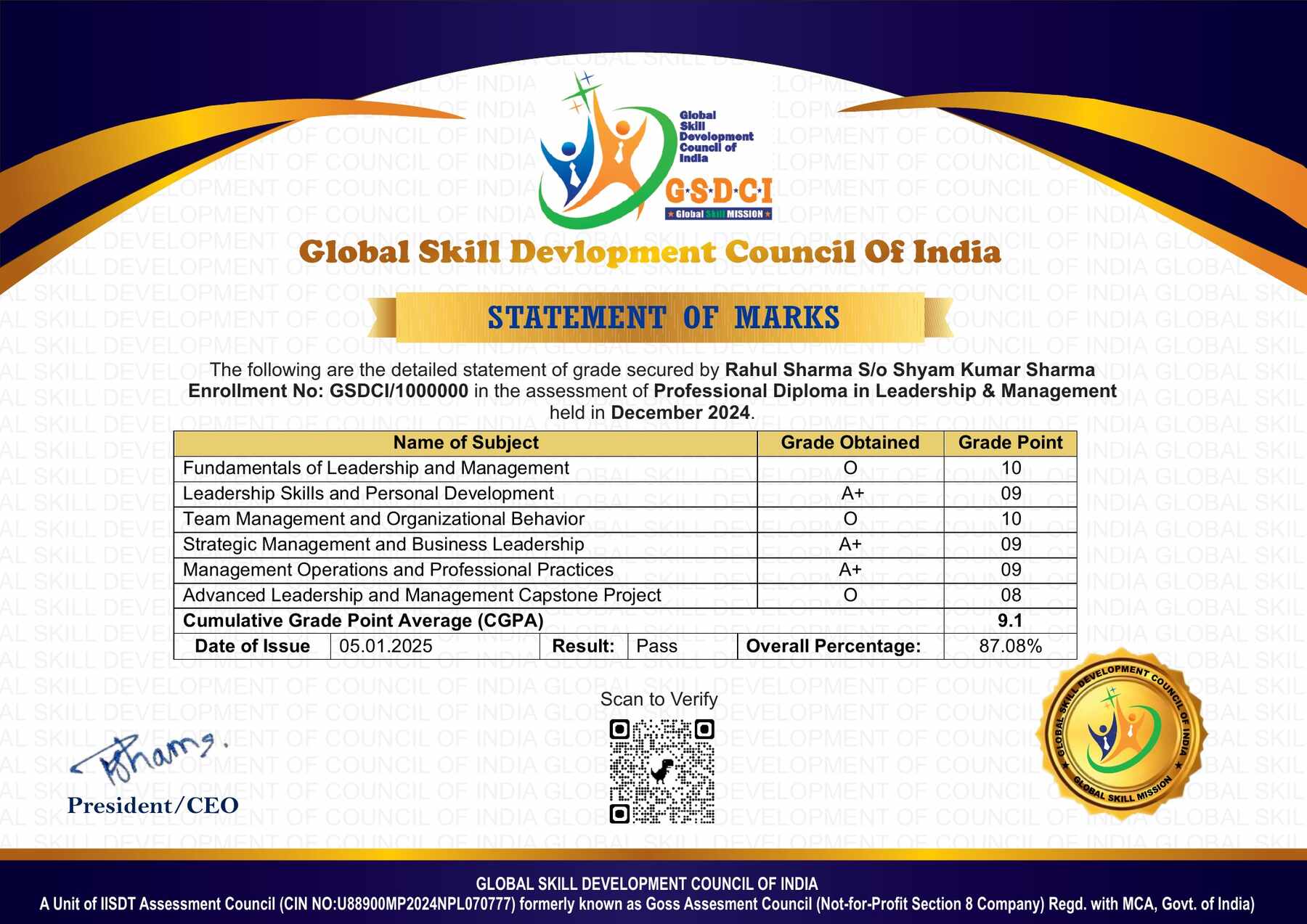
| S.No. | Marks | Grade | ||||
| 1 | 91-100 | O (Outstanding) | ||||
| 2 | 81-90 | A+ (Excellent) | ||||
| 3 | 71-80 | A (Very Good) | ||||
| 4 | 61-70 | B (Good) | ||||
| 5 | 51-60 | C (Average) | ||||
| 6 | 40-50 | P (Pass) | ||||
| 7 | 0-40 | F (Fail) | ||||
Key Benefits of Certification- Earning a professional certification not only validates your skills but also enhances your employability. Here are the major benefits you gain:
Practical, Job-Ready Skills – Our certifications are designed to equip you with real-world, hands-on skills that match current industry demands — helping you become employment-ready from day one.
Lifetime Validity – Your certification is valid for a lifetime — no renewals or expirations. It serves as a permanent proof of your skills and training.
Lifetime Certificate Verification – Employers and institutions can verify your certification anytime through a secure and reliable verification system — adding credibility to your qualifications.
Industry-Aligned Certification –All certifications are developed in consultation with industry experts to ensure that what you learn is current, relevant, and aligned with market needs.
Preferred by Employers – Candidates from ISO-certified institutes are often prioritized by recruiters due to their exposure to standardized, high-quality training.
Free Job Assistance Based on Your Career Interests – Receive personalized job assistance and career guidance in your preferred domain, helping you land the right role faster.
Syllabus
Module 1: Resource Needs and Curriculum Alignment: Purposes and Types of Teaching Resources, Reviewing Lesson Goals and Curriculum Expectations, Identifying Learner Age and Prior Knowledge, Recognizing Common Learning Difficulties, Auditing Available Classroom Materials, Selecting Resources for Specific Teaching Tasks, Assessing Time Budget and Equipment Constraints, Defining Resource Success Criteria, Planning a Balanced Resource Pack, Preparing a Teaching Resource Development Brief.
Module 2: Worksheets and Learner Support Materials: Writing Clear Learner Instructions, Designing Guided Practice Worksheets, Preparing Reading and Vocabulary Supports, Creating Graphic Organizers and Note Templates, Developing Subject-Specific Practice Tasks, Sequencing Questions by Difficulty, Providing Worked Examples and Helpful Prompts, Designing Reflection and Self-Checking Sections, Preparing Answer Keys and Explanation Notes, Formatting Materials for Printing and Reuse.
Module 3: Visual Aids and Demonstration Resources: Selecting Visuals that Explain Key Concepts, Creating Charts and Classroom Posters, Designing Flashcards and Picture Cards, Developing Timelines and Sequence Displays, Preparing Labelled Diagrams, Constructing Simple Demonstration Models, Creating Comparison and Classification Boards, Applying Readable Text and Colour Choices, Planning Visibility for Different Classroom Sizes, Producing Durable Display Materials.
Module 4: Activity Kits and Collaborative Learning Resources: Developing Matching and Sorting Activities, Creating Learning Station Task Cards, Preparing Discussion and Debate Prompts, Designing Role-Play Resource Sets, Building Educational Board and Card Activities, Organizing Investigation and Observation Sheets, Assembling Low-Cost Manipulative Kits, Writing Group Roles and Participation Instructions, Planning Setup Storage and Distribution, Preparing Teacher Facilitation and Debrief Notes.
Module 5: Digital Resources and Inclusive Adaptation: Creating Teaching Presentations, Preparing Short Audio and Video Supports, Developing Basic Interactive Practice Resources, Organizing Downloadable Classroom Files, Selecting Reliable Open Educational Resources, Applying Copyright and Source Attribution, Preparing Alternative Text Captions and Transcripts, Adapting Layouts for Readability and Access, Offering Offline and Low-Bandwidth Versions, Adjusting Resources for Different Learner Support Needs.
Module 6: Resource Testing Organization and Portfolio Practice: Reviewing Subject Accuracy and Instructional Clarity, Checking Consistency across Resource Components, Trialling Materials with Representative Learners, Observing Task Completion and Resource Use, Collecting Educator Feedback, Revising Materials Based on Trial Evidence, Labelling Resources by Topic and Learning Purpose, Maintaining Editable Files and Version Records, Completing a Practical Teaching Resource Pack, Presenting a Portfolio and Resource Use Guide.
Job Opportunities after Certificate in Teaching Resource Development
Graduates can explore teaching material and classroom resource support opportunities in schools, tutoring centres, educational publishers and EdTech organizations, subject to employer qualification requirements.
Top Roles: Teaching Resource Assistant, Worksheet Development Assistant, Educational Content Assistant, Classroom Activity Assistant, Learning Resource Production Assistant and Academic Materials Assistant.
Key Skills: Curriculum alignment, worksheet preparation, visual aid design, activity development, digital adaptation, accessibility and resource evaluation.
Salary Range (India):
- Entry-level: ₹2.5–6 LPA
- Mid-level: ₹6–12 LPA
- Senior-level: ₹12–25+ LPA
Scope: Skills apply across classroom materials, tutoring resources, learning activity kits and digital teaching aids. Experience, subject expertise and further qualifications can support progression into educational resource development, academic content production and teaching support coordination.