Certified Broadcast Journalist

6,500.00 3,250.00

50% fee concession will end in

To train professionals in producing and presenting accurate, compelling news content for television, radio, and digital broadcast platforms.

Description

Certification Name: Certified Broadcast Journalist

Global Occupational Skill Standard – GOSS ID: GOSS/JPM/CBJ/V1

Eligibility: Graduation or Equivalent or minimum 2 years of relevant experience (experience-based learners can directly enroll and certify).

Objective: The Certified Broadcast Journalist course is designed to equip learners with the professional skills required to research, produce, and present news content for television, radio, and digital broadcast platforms. The course covers broadcast writing, scripting, on-camera performance, voice modulation, live reporting, studio production, and field journalism techniques. 

Certification: Within 5 days after Completion of Online Assessment.

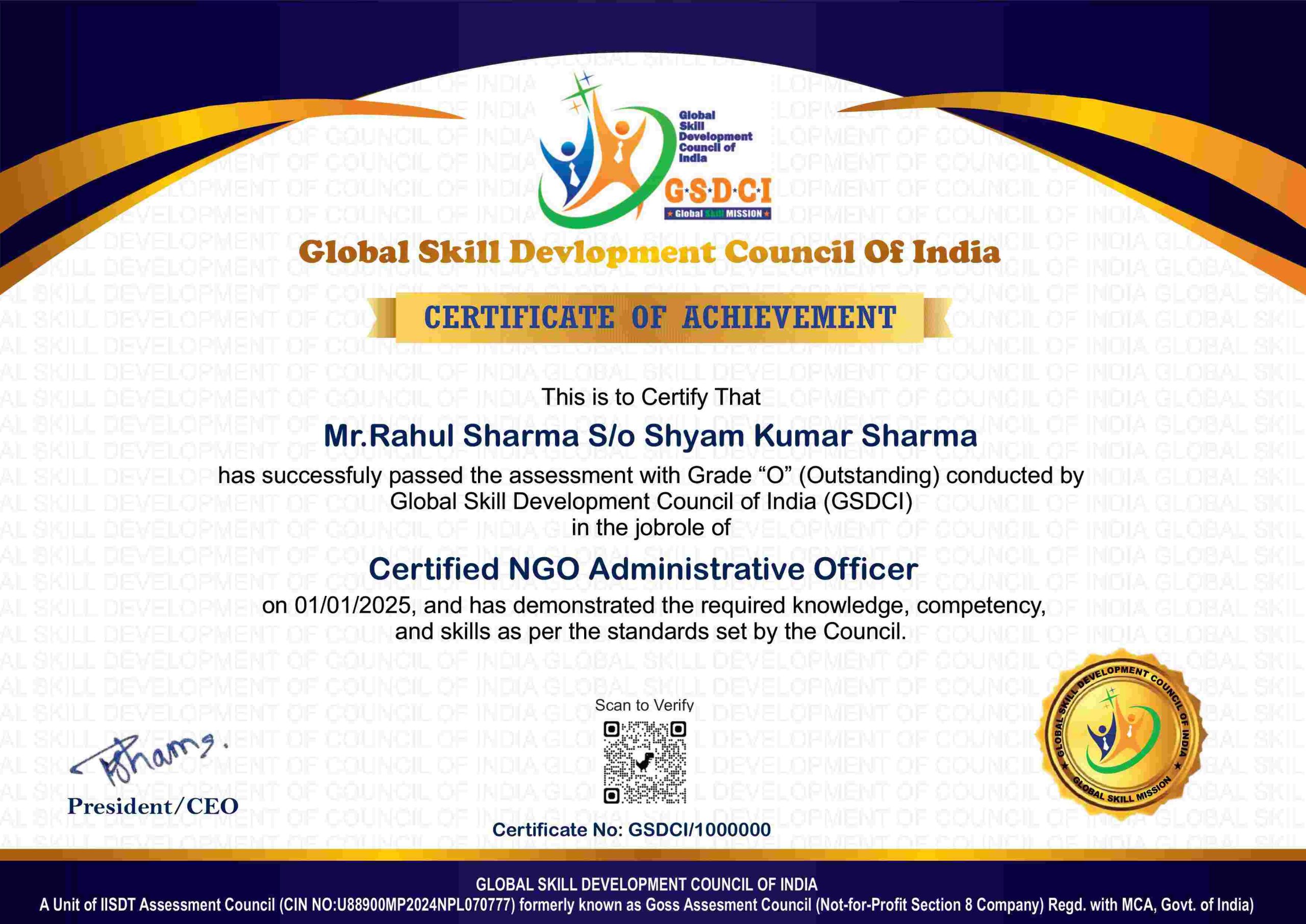
Get ready to join the Journey to become a GSDCI Certified Professional  – International Certification and Assessment Body.

Steps to become a GSDCI Certified Professional:

Step 1: Select your certification you want to pursue.

Step 2: Click on get certified tab, new pop up window will open.

Step 3: Click on pay certification fee, you will be redirected to billing details page.

Step 4: Fill your details and click on pay certification fee, You will be redirected to payment gateway, pay fee by any available options like Card(Debit/Credit), Wallet, Paytm, Net banking, UPI and Google pay.

Step 5: You will get Login Credentials of Online E-Books and Online assessment link on your email id, within 48 hrs of payment.

Step 6: After completion of online assessment, you can download your Certificate Immediately.

Assessment Modules:

Module 1: Introduction to Broadcast Journalism: Definition and scope of broadcast journalism, Differences between radio, television, and digital broadcasting, Roles of anchors, reporters, producers, and correspondents, Newsroom hierarchy and broadcast workflow, Principles of accuracy, fairness, and public interest, History and evolution of broadcast media.

Module 2: News Gathering and Field Reporting: Identifying newsworthy stories for broadcast, Researching and developing news scripts, Interviewing techniques for on-camera and audio use, Live reporting techniques for field and studio, Working with videographers and sound technicians, Gathering visuals and B-roll for storytelling.

Module 3: Scriptwriting and News Presentation: Writing concise, conversational broadcast scripts, Structuring stories for bulletins and news shows, Voice modulation, articulation, and delivery techniques, Using teleprompters and cue cards effectively, Presenting news for different audiences (radio vs TV), Handling breaking news and live updates professionally.

Module 4: Audio and Video Production Techniques: Basics of camera operation, lighting, and composition, Sound recording and microphone usage, Video editing software basics (Premiere Pro, Final Cut), Audio editing for radio news and podcasts, Editing sequences, cutaways, and voiceovers, File formats, transitions, and broadcast-quality exports.

Module 5: Studio Production and Technical Coordination: Roles of control room and production crew, Setting up studio shots, chroma, and lighting, Coordinating with producers and editors during live shows, Operating studio equipment (switchers, mics, monitors), Timing, scripting rundowns, and on-air transitions, Managing guest segments and panel discussions.

Module 6: Media Ethics, Regulation, and Career Growth: Broadcast regulations and media laws (TRAI, FCC, etc.), Ethical issues: privacy, defamation, impartiality, Scripting for sensitive topics and conflict coverage, Building a professional reel and demo portfolio, Freelancing vs working with broadcast networks, Career paths in news anchoring, reporting, and production.

GSDCI Online Assessment Detail:

  • Duration- 60 minutes.
  • Number of Questions- 30.
  • Number of Questions from each module: 5.
  • Language: English.
  • Exam Type: Multiple Choice Questions.
  • Maximum Marks- 100, Passing Marks- 50%.
  • There is no negative marking in any module.
Marking System:
S.No. No. of Questions Marks Each Question Total Marks
1 10 5 50
2 5 4 20
3 5 3 15
4 5 2 10
5 5 1 5
30   100
How Students will be Graded:
S.No. Marks Grade
1 91-100 O (Outstanding)
2 81-90 A+ (Excellent)
3 71-80 A (Very Good)
4 61-70 B (Good)
5 50-60 P (Pass)
6  0-49 F (Fail)


Benefits of Certification:

🌍 1. Global Recognition & Credibility – Stand out worldwide with a certification that opens doors across borders. Trusted by employers, respected by institutions, and recognized in over 100 countries.

📜 2. Quality Assurance through ISO Certification – Certified to global ISO standards, our programs deliver excellence, consistency, and a benchmarked learning experience that speaks for itself.

💼 3. Career Advancement & Employability – Enhances your resume and increases chances of promotions or job offers.

🤝 4. Non-Profit Trust Factor – Certifications from non-profit organizations are mission-driven rather than profit-driven.

📚 5. Access to Verified Learning & Resources – Often includes e-books, mock tests, and online support without hidden costs.

🔍 6. Transparency & Online Verification – Certifications come with a unique Enrolment ID for easy online verification by employers and institutions.

⏳ 7. Lifetime or Long-Term Validity – Certifications usually have lifetime validity or long-term recognition, reducing the need for frequent renewals.