Certified Corrective Exercise Specialist

6,500.00 3,250.00

50% fee concession will end in

To train professionals to assess and correct movement dysfunctions through targeted exercise programs that prevent injury and improve function.

Description

Certification Name: Certified Corrective Exercise Specialist

Global Occupational Skill Standard – GOSS ID: GOSS/HF/CCES/V1

Eligibility: Graduation or Equivalent or minimum 2 years of relevant experience (experience-based learners can directly enroll and certify).

Objective: The Certified Corrective Exercise Specialist course is designed to equip fitness professionals with the knowledge and skills to identify and address muscular imbalances, postural deviations, and movement dysfunctions. The program covers anatomy, biomechanics, movement assessment, corrective exercise techniques, injury prevention, and rehabilitation principles. 

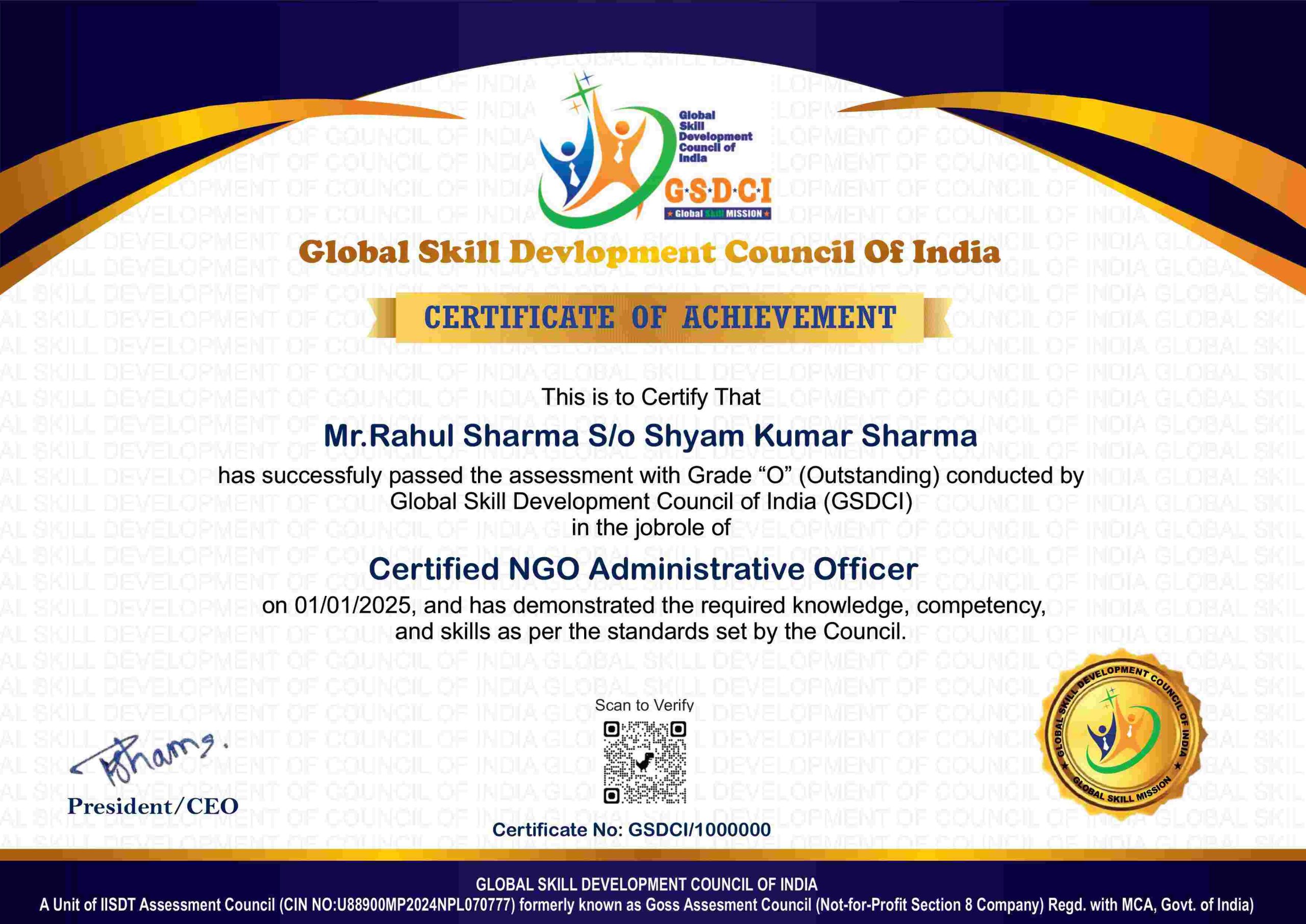
Certification: Within 5 days after Completion of Online Assessment.

Get ready to join the Journey to become a GSDCI Certified Professional  – International Certification and Assessment Body.

Steps to become a GSDCI Certified Professional:

Step 1: Select your certification you want to pursue.

Step 2: Click on get certified tab, new pop up window will open.

Step 3: Click on pay certification fee, you will be redirected to billing details page.

Step 4: Fill your details and click on pay certification fee, You will be redirected to payment gateway, pay fee by any available options like Card(Debit/Credit), Wallet, Paytm, Net banking, UPI and Google pay.

Step 5: You will get Login Credentials of Online E-Books and Online assessment link on your email id, within 48 hrs of payment.

Step 6: After completion of online assessment, you can download your Certificate Immediately.

Assessment Modules:

Module 1: Fundamentals of Corrective Exercise and Human Movement: Introduction to corrective exercise and its role in fitness and rehabilitation, Principles of kinetic chain function (muscular, skeletal, and neural systems), Planes of motion and movement efficiency, Common causes of musculoskeletal imbalances and dysfunctions, Benefits of corrective strategies in injury prevention and performance, Scope of practice and referral protocols.

Module 2: Postural Assessment and Movement Screening: Static and dynamic posture assessment techniques, Gait analysis and joint-by-joint movement screening, Identifying overactive and underactive muscles, Functional movement tests (OHSA, single-leg squat, push/pull), Documenting compensations and movement inefficiencies, Interpreting assessment data to create a corrective plan.

Module 3: Inhibition and Lengthening Techniques: Understanding neuromuscular inhibition and trigger points, Self-myofascial release techniques using foam rollers and balls, Static and neuromuscular stretching protocols, Targeting overactive and tight muscle groups, Timing and integration of flexibility work in programs, Precautions for special populations and mobility limitations.

Module 4: Activation and Strengthening of Underactive Muscles: Techniques to re-engage and activate weak or inhibited muscles, Isolated strengthening exercises using bands, cables, and bodyweight, Progressions from isometric to dynamic resistance work, Corrective core training and pelvic stabilization, Muscle re-education for posture and joint control, Designing exercise progressions to restore muscular balance.

Module 5: Integration and Movement Pattern Re-education: Combining mobility, stability, and strength into functional movements, Corrective cueing and neuromuscular control drills, Re-patterning basic movements (squat, hinge, lunge, push, pull, rotation), Transitional exercises toward dynamic movement restoration, Addressing balance, proprioception, and coordination deficits, Creating customized corrective programs based on goals and lifestyle.

Module 6: Program Design, Client Communication, and Professional Practice: Designing and periodizing corrective exercise programs, Client education and adherence strategies, Tracking progress and reassessment protocols, Working with healthcare professionals and fitness teams, Legal responsibilities, documentation, and scope of practice, Continuing education and career development as a corrective exercise specialist.

GSDCI Online Assessment Detail:

  • Duration- 60 minutes.
  • Number of Questions- 30.
  • Number of Questions from each module: 5.
  • Language: English.
  • Exam Type: Multiple Choice Questions.
  • Maximum Marks- 100, Passing Marks- 50%.
  • There is no negative marking in any module.
Marking System:
S.No. No. of Questions Marks Each Question Total Marks
1 10 5 50
2 5 4 20
3 5 3 15
4 5 2 10
5 5 1 5
30   100
How Students will be Graded:
S.No. Marks Grade
1 91-100 O (Outstanding)
2 81-90 A+ (Excellent)
3 71-80 A (Very Good)
4 61-70 B (Good)
5 50-60 P (Pass)
6  0-49 F (Fail)


Benefits of Certification:

🌍 1. Global Recognition & Credibility – Stand out worldwide with a certification that opens doors across borders. Trusted by employers, respected by institutions, and recognized in over 100 countries.

📜 2. Quality Assurance through ISO Certification – Certified to global ISO standards, our programs deliver excellence, consistency, and a benchmarked learning experience that speaks for itself.

💼 3. Career Advancement & Employability – Enhances your resume and increases chances of promotions or job offers.

🤝 4. Non-Profit Trust Factor – Certifications from non-profit organizations are mission-driven rather than profit-driven.

📚 5. Access to Verified Learning & Resources – Often includes e-books, mock tests, and online support without hidden costs.

🔍 6. Transparency & Online Verification – Certifications come with a unique Enrolment ID for easy online verification by employers and institutions.

⏳ 7. Lifetime or Long-Term Validity – Certifications usually have lifetime validity or long-term recognition, reducing the need for frequent renewals.