Certified Eating Disorder Specialist (Nutrition focus)

6,500.00 3,250.00

50% Discount will end in

To equip nutrition professionals with skills to assess and manage eating disorders through specialized nutritional care and collaborative treatment approaches.

Description

Certification Name: Certified Eating Disorder Specialist (Nutrition focus)

Global Occupational Skill Standard – GOSS ID: GOSS/HF/CEDS/V1

Eligibility: Graduation or Equivalent or minimum 2 years of relevant experience (experience-based learners can directly enroll and certify).

Objective: The Certified Eating Disorder Specialist (Nutrition Focus) course is designed to provide healthcare and nutrition professionals with specialized knowledge and skills to assess, manage, and support individuals with eating disorders. The program emphasizes the role of nutrition in the treatment and recovery process, covering topics such as nutritional rehabilitation, meal planning, behavioral strategies, medical complications, and interdisciplinary collaboration.

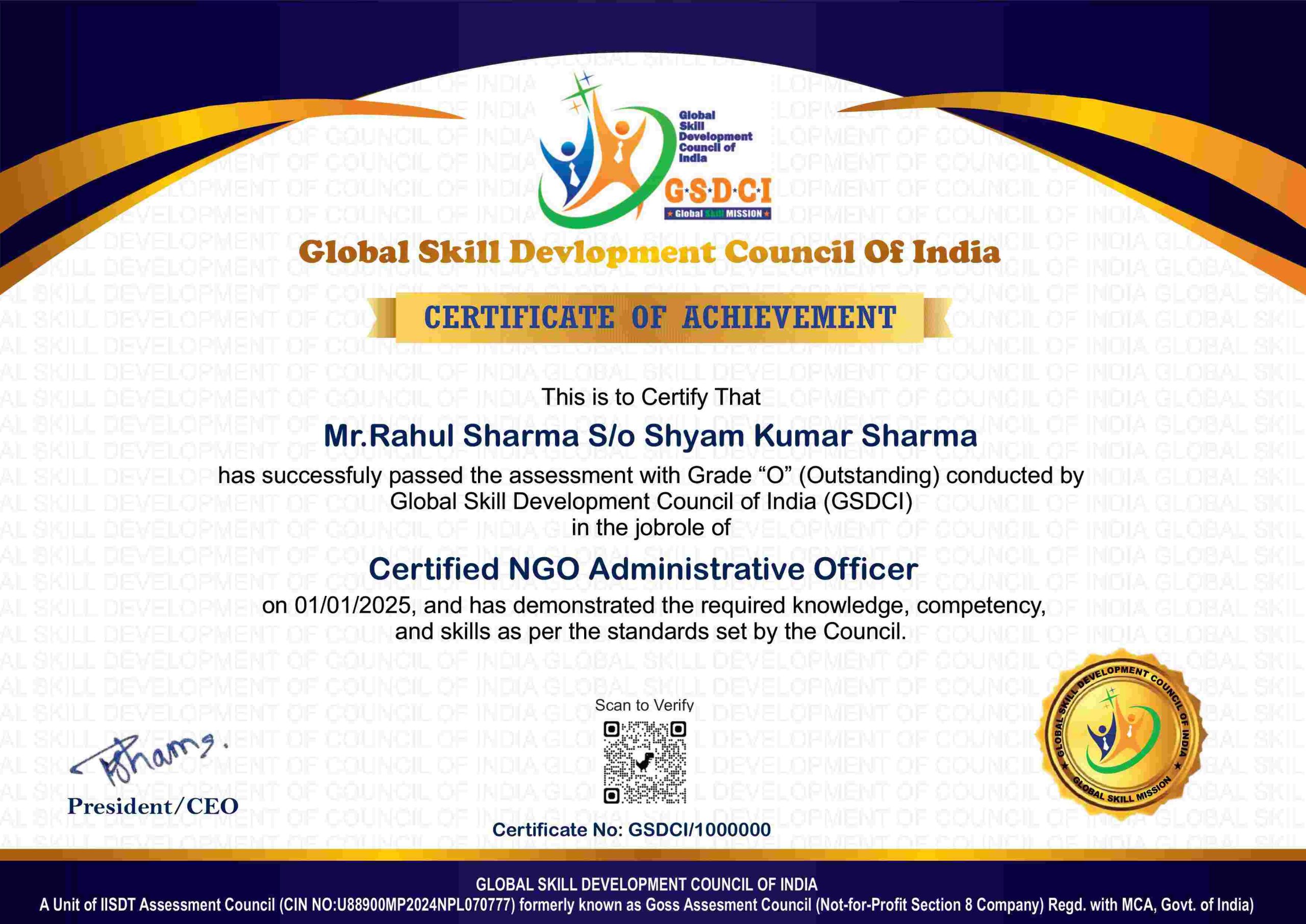
Certification: Within 5 days after Completion of Online Assessment.

Get ready to join the Journey to become a GSDCI Certified Professional  – International Certification and Assessment Body.

Steps to become a GSDCI Certified Professional:

Step 1: Select your certification you want to pursue.

Step 2: Click on get certified tab, new pop up window will open.

Step 3: Click on pay certification fee, you will be redirected to billing details page.

Step 4: Fill your details and click on pay certification fee, You will be redirected to payment gateway, pay fee by any available options like Card(Debit/Credit), Wallet, Paytm, Net banking, UPI and Google pay.

Step 5: You will get Login Credentials of Online E-Books and Online assessment link on your email id, within 48 hrs of payment.

Step 6: After completion of online assessment, you can download your Certificate Immediately.

Assessment Modules:

Module 1: Introduction to Eating Disorders and Nutritional Impact: Overview and classification of eating disorders (AN, BN, BED, OSFED), Diagnostic criteria (DSM-5) and clinical presentation, Nutritional consequences of disordered eating, Biological, psychological, and sociocultural factors, Role of the nutrition professional in multidisciplinary care, Understanding stigma and myths related to eating disorders.

Module 2: Nutritional Assessment and Screening Techniques: Conducting comprehensive nutritional assessments, Identifying signs of malnutrition and nutrient deficiencies, Use of screening tools (EAT-26, SCOFF), Weight history, growth charts, and body image evaluation, Biochemical markers and lab assessments, Assessing risk of refeeding syndrome and medical instability.

Module 3: Nutrition Therapy and Meal Planning for Eating Disorders: Principles of Medical Nutrition Therapy (MNT) for eating disorders, Creating individualized meal plans and nutrition goals, Approaches to normalizing eating behaviors and patterns, Refeeding protocols and weight restoration strategies, Addressing food rituals, restrictions, and fear foods, Nutrition education and intuitive eating principles.

Module 4: Psychological Aspects and Behavioral Nutrition Counseling: Understanding the psychological roots of disordered eating, Counseling techniques for nutrition professionals (MI, CBT-based), Working collaboratively with therapists and mental health providers, Managing client resistance and ambivalence, Promoting body image healing and self-compassion, Relapse prevention and long-term support strategies.

Module 5: Special Populations and Cultural Considerations: Eating disorders in children, adolescents, and older adults, Gender-specific issues and disorders in males and LGBTQ+ clients, Co-occurring conditions (diabetes, GI disorders, athletes), Cultural beliefs, diet patterns, and their influence on body image, Ethical considerations in diverse nutritional care, Addressing health disparities and access to care.

Module 6: Professional Practice, Ethics, and Continuing Education: Scope of practice and role boundaries for nutritionists and dietitians, Documentation, confidentiality, and informed consent, Ethical dilemmas in eating disorder care, Supervision, self-care, and preventing practitioner burnout, Evidence-based practice and staying current with research, Preparing for certification and advanced career development.

GSDCI Online Assessment Detail:

  • Duration- 60 minutes.
  • Number of Questions- 30.
  • Number of Questions from each module: 5.
  • Language: English.
  • Exam Type: Multiple Choice Questions.
  • Maximum Marks- 100, Passing Marks- 50%.
  • There is no negative marking in any module.
Marking System:
S.No. No. of Questions Marks Each Question Total Marks
1 10 5 50
2 5 4 20
3 5 3 15
4 5 2 10
5 5 1 5
30   100
How Students will be Graded:
S.No. Marks Grade
1 91-100 O (Outstanding)
2 81-90 A+ (Excellent)
3 71-80 A (Very Good)
4 61-70 B (Good)
5 50-60 P (Pass)
6  0-49 F (Fail)


Benefits of Certification:

🌍 1. Global Recognition & Credibility – Stand out worldwide with a certification that opens doors across borders. Trusted by employers, respected by institutions, and recognized in over 100 countries.

📜 2. Quality Assurance through ISO Certification – Certified to global ISO standards, our programs deliver excellence, consistency, and a benchmarked learning experience that speaks for itself.

💼 3. Career Advancement & Employability – Enhances your resume and increases chances of promotions or job offers.

🤝 4. Non-Profit Trust Factor – Certifications from non-profit organizations are mission-driven rather than profit-driven.

📚 5. Access to Verified Learning & Resources – Often includes e-books, mock tests, and online support without hidden costs.

🔍 6. Transparency & Online Verification – Certifications come with a unique Enrolment ID for easy online verification by employers and institutions.

⏳ 7. Lifetime or Long-Term Validity – Certifications usually have lifetime validity or long-term recognition, reducing the need for frequent renewals.

Reviews

There are no reviews yet.

Be the first to review “Certified Eating Disorder Specialist (Nutrition focus)”

Your email address will not be published. Required fields are marked *