Certified Lighting Designer (Film & TV)

6,000.00 3,000.00

50% fee concession will end in

To train learners in designing and executing creative, camera-ready lighting setups for film, TV, and video production using professional lighting techniques and equipment.

Description

Certification Name: Certified Lighting Designer (Film & TV)

Global Occupational Skill Standard – GOSS ID: GOSS/JPM/CLD/V1

Eligibility: 10+2 (higher Secondary) or Equivalent or minimum 2 years of relevant experience (experience-based learners can directly enroll and certify).

Objective: The Certified Lighting Designer (Film & TV) course is structured to equip learners with the artistic and technical expertise required to design and execute effective lighting setups for film, television, and video production. The course covers lighting theory, color temperature, contrast, exposure, light direction, and mood creation. Learners will explore different lighting techniques for various genres and formats—such as interviews, drama, commercials, and green screen work. 

Certification: Within 5 days after Completion of Online Assessment.

Get ready to join the Journey to become a GSDCI Certified Professional  – International Certification and Assessment Body.

Steps to become a GSDCI Certified Professional:

Step 1: Select your certification you want to pursue.

Step 2: Click on get certified tab, new pop up window will open.

Step 3: Click on pay certification fee, you will be redirected to billing details page.

Step 4: Fill your details and click on pay certification fee, You will be redirected to payment gateway, pay fee by any available options like Card(Debit/Credit), Wallet, Paytm, Net banking, UPI and Google pay.

Step 5: You will get Login Credentials of Online E-Books and Online assessment link on your email id, within 48 hrs of payment.

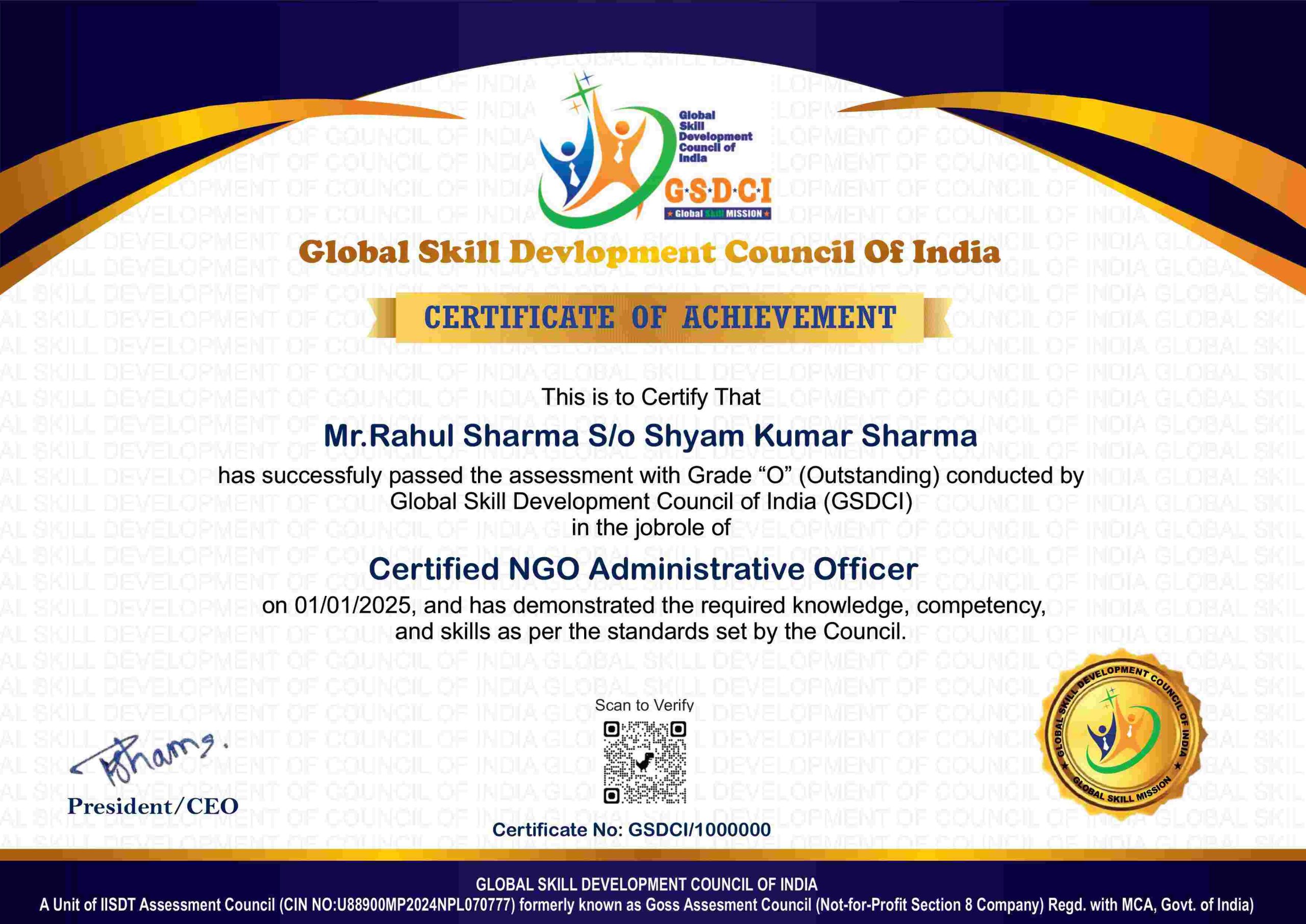
Step 6: After completion of online assessment, you can download your Certificate Immediately.

Assessment Modules:

Module 1: Fundamentals of Lighting for Film and Television: Role and responsibilities of a lighting designer in production, Understanding the behavior and properties of light, Types of lighting in visual storytelling (key, fill, backlight, ambient), Overview of lighting styles for different genres and formats, Basic lighting terminology and equipment introduction, Importance of contrast, exposure, and mood in cinematic lighting.

Module 2: Lighting Equipment and Technology: Types of lighting instruments (tungsten, HMI, LED, fluorescent), Light modifiers and accessories (softboxes, barn doors, gels, reflectors), Understanding color temperature (Kelvin scale) and CRI, Power requirements, cable management, and safety practices, Introduction to lighting consoles and DMX control systems, Working with modern lighting rigs on set and in studios.

Module 3: Lighting Design Techniques for Studio and Location: Three-point lighting setup and variations, High-key vs low-key lighting approaches, Designing lighting setups for interviews, talk shows, and news broadcasts, Lighting for green screen and chroma key applications, Dealing with natural light and mixed lighting conditions, Blocking, positioning, and adapting lighting based on camera movement.

Module 4: Cinematic Lighting and Visual Storytelling: Lighting for emotion, drama, and narrative effect, Using shadows, silhouettes, and motivated lighting creatively, Lighting different scenes: day/night, indoor/outdoor, action/dialogue, Collaborating with directors, cinematographers, and production designers, Creating depth and dimension through light placement and intensity, Color theory in lighting design and scene mood setting.

Module 5: Lighting for Camera and Technical Considerations: Understanding camera sensors and how they capture light, Monitoring exposure using tools like waveform, histogram, zebras, Matching lighting setups to camera frame rates, ISO, and white balance, Managing reflections, highlights, and skin tones, Working with multiple cameras in studio and live environments, Continuity, shot matching, and lighting for editing and VFX integration.

Module 6: Production Planning and Portfolio Development: Reading scripts and shot lists for lighting design planning, Creating lighting plots, diagrams, and cue sheets, Budgeting and scheduling lighting setups for productions, Supervising lighting crew and managing on-set adjustments, Documenting lighting designs with photographs and breakdowns, Building a professional lighting design portfolio for film and television industry opportunities.

GSDCI Online Assessment Detail:

  • Duration- 60 minutes.
  • Number of Questions- 30.
  • Number of Questions from each module: 5.
  • Language: English.
  • Exam Type: Multiple Choice Questions.
  • Maximum Marks- 100, Passing Marks- 50%.
  • There is no negative marking in any module.
Marking System:
S.No. No. of Questions Marks Each Question Total Marks
1 10 5 50
2 5 4 20
3 5 3 15
4 5 2 10
5 5 1 5
30   100
How Students will be Graded:
S.No. Marks Grade
1 91-100 O (Outstanding)
2 81-90 A+ (Excellent)
3 71-80 A (Very Good)
4 61-70 B (Good)
5 50-60 P (Pass)
6  0-49 F (Fail)


Benefits of Certification:

🌍 1. Global Recognition & Credibility – Stand out worldwide with a certification that opens doors across borders. Trusted by employers, respected by institutions, and recognized in over 100 countries.

📜 2. Quality Assurance through ISO Certification – Certified to global ISO standards, our programs deliver excellence, consistency, and a benchmarked learning experience that speaks for itself.

💼 3. Career Advancement & Employability – Enhances your resume and increases chances of promotions or job offers.

🤝 4. Non-Profit Trust Factor – Certifications from non-profit organizations are mission-driven rather than profit-driven.

📚 5. Access to Verified Learning & Resources – Often includes e-books, mock tests, and online support without hidden costs.

🔍 6. Transparency & Online Verification – Certifications come with a unique Enrolment ID for easy online verification by employers and institutions.

⏳ 7. Lifetime or Long-Term Validity – Certifications usually have lifetime validity or long-term recognition, reducing the need for frequent renewals.

Reviews

There are no reviews yet.

Be the first to review “Certified Lighting Designer (Film & TV)”

Your email address will not be published. Required fields are marked *