Certified Media Manager (Advertising)

6,500.00 3,250.00

50% fee concession will end in

To equip participants with the skills to manage and optimize multi-platform media strategies that drive advertising effectiveness and brand growth.

Description

Certification Name: Certified Media Manager (Advertising)

Global Occupational Skill Standard – GOSS ID: GOSS/JPM/CMM/V1

Eligibility: Graduation or Equivalent or minimum 2 years of relevant experience (experience-based learners can directly enroll and certify).

Objective: The Certified Media Manager (Advertising) course is designed to develop comprehensive skills in planning, executing, supervising, and optimizing media strategies for advertising campaigns across traditional, digital, and emerging platforms. The course covers the entire media lifecycle — including audience research, media planning and buying, campaign budgeting, cross-platform integration, vendor negotiations, performance analytics, and post-campaign evaluation. 

Certification: Within 5 days after Completion of Online Assessment.

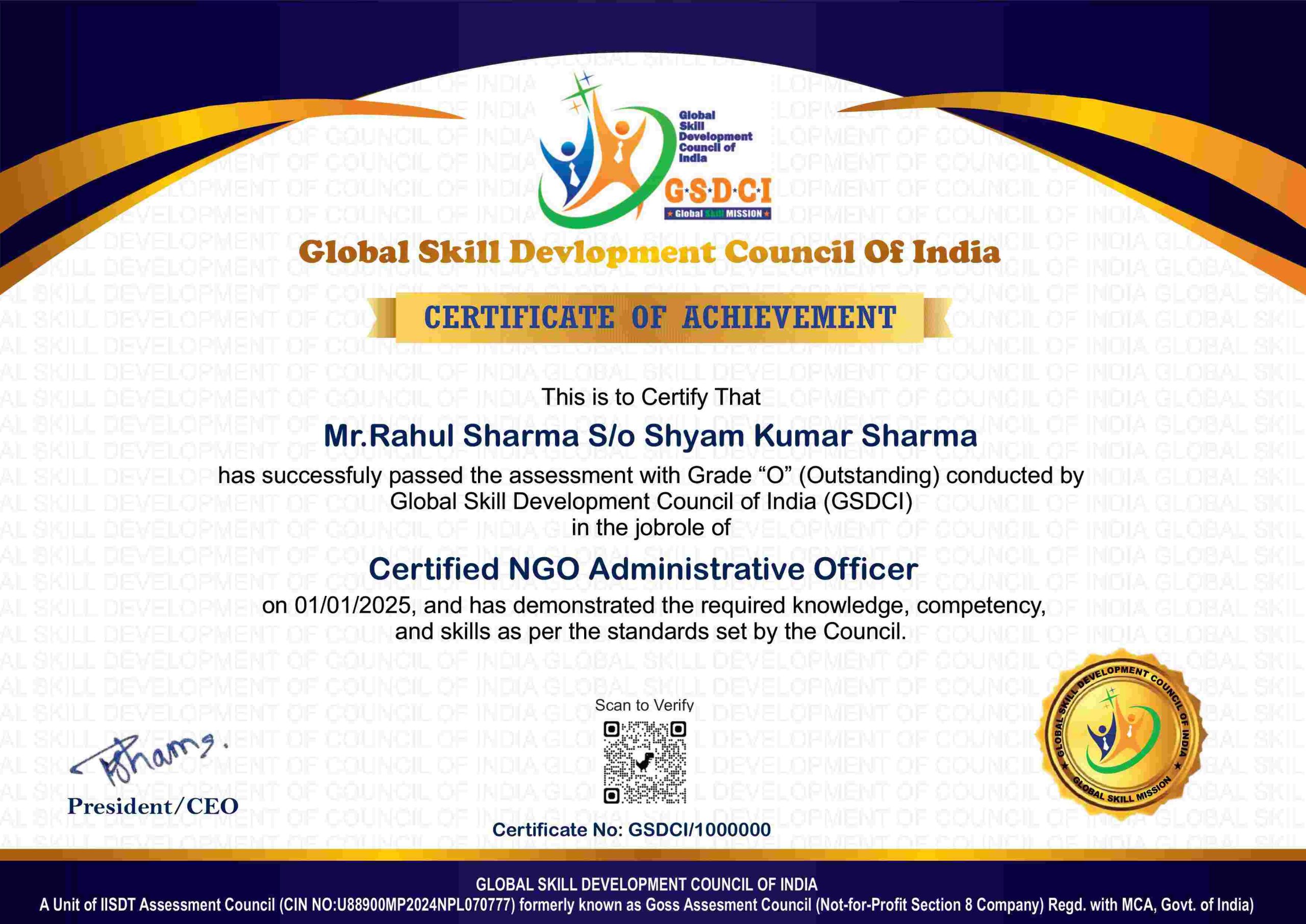
Get ready to join the Journey to become a GSDCI Certified Professional  – International Certification and Assessment Body.

Steps to become a GSDCI Certified Professional:

Step 1: Select your certification you want to pursue.

Step 2: Click on get certified tab, new pop up window will open.

Step 3: Click on pay certification fee, you will be redirected to billing details page.

Step 4: Fill your details and click on pay certification fee, You will be redirected to payment gateway, pay fee by any available options like Card(Debit/Credit), Wallet, Paytm, Net banking, UPI and Google pay.

Step 5: You will get Login Credentials of Online E-Books and Online assessment link on your email id, within 48 hrs of payment.

Step 6: After completion of online assessment, you can download your Certificate Immediately.

Assessment Modules:

Module 1: Foundations of Media Management in Advertising: Role of a media manager in the advertising ecosystem, Understanding media channels and classifications (ATL, BTL, TTL), Media campaign lifecycle and planning process, Setting advertising objectives and KPIs, Overview of traditional vs digital media, Integrating media strategy with brand goals.

Module 2: Audience Targeting and Media Research: Analyzing audience demographics, psychographics, and behavior, Creating and using customer personas, Utilizing media research tools (BARC, IRS, Nielsen, Google Trends), Media consumption trends across platforms, Identifying media touchpoints in the consumer journey, Interpreting data to support media planning.

Module 3: Media Planning Strategy and Budgeting: Developing a strategic media plan, Media mix and channel selection process, Budget allocation across media platforms, Estimating reach, frequency, and effective GRPs, Geo-targeting and seasonal considerations, Building a media calendar and schedule.

Module 4: Media Buying and Vendor Coordination: Overview of media buying models (CPM, CPC, CPA), Negotiating with media owners and publishers, Finalizing insertion orders and contracts, Managing rate cards and discount structures, Tracking delivery and spot confirmations, Coordinating with media agencies and networks.

Module 5: Campaign Management and Optimization: Executing media plans across platforms, Ad trafficking and compliance checks, Monitoring campaign performance in real-time, Making mid-campaign adjustments for optimization, Managing creative assets and timelines, Resolving issues and maintaining quality control.

Module 6: Reporting, Analysis and Team Leadership: Evaluating campaign performance metrics (ROI, ROAS, impressions), Post-campaign analysis and recommendations, Creating reports and dashboards for stakeholders, Presenting insights and strategic learnings, Managing cross-functional media teams, Staying updated with media innovations and trends.

GSDCI Online Assessment Detail:

  • Duration- 60 minutes.
  • Number of Questions- 30.
  • Number of Questions from each module: 5.
  • Language: English.
  • Exam Type: Multiple Choice Questions.
  • Maximum Marks- 100, Passing Marks- 50%.
  • There is no negative marking in any module.
Marking System:
S.No. No. of Questions Marks Each Question Total Marks
1 10 5 50
2 5 4 20
3 5 3 15
4 5 2 10
5 5 1 5
30   100
How Students will be Graded:
S.No. Marks Grade
1 91-100 O (Outstanding)
2 81-90 A+ (Excellent)
3 71-80 A (Very Good)
4 61-70 B (Good)
5 50-60 P (Pass)
6  0-49 F (Fail)


Benefits of Certification:

🌍 1. Global Recognition & Credibility – Stand out worldwide with a certification that opens doors across borders. Trusted by employers, respected by institutions, and recognized in over 100 countries.

📜 2. Quality Assurance through ISO Certification – Certified to global ISO standards, our programs deliver excellence, consistency, and a benchmarked learning experience that speaks for itself.

💼 3. Career Advancement & Employability – Enhances your resume and increases chances of promotions or job offers.

🤝 4. Non-Profit Trust Factor – Certifications from non-profit organizations are mission-driven rather than profit-driven.

📚 5. Access to Verified Learning & Resources – Often includes e-books, mock tests, and online support without hidden costs.

🔍 6. Transparency & Online Verification – Certifications come with a unique Enrolment ID for easy online verification by employers and institutions.

⏳ 7. Lifetime or Long-Term Validity – Certifications usually have lifetime validity or long-term recognition, reducing the need for frequent renewals.