Certified Nutritional Psychology/Psychiatric Nutritionist

6,500.00 3,250.00

50% fee concession will end in

To equip professionals with knowledge and skills to use nutrition as a tool to support mental health and psychiatric care.

Description

Certification Name: Certified Nutritional Psychology/Psychiatric Nutritionist

Global Occupational Skill Standard – GOSS ID: GOSS/HF/CNPSN/V1

Eligibility: Graduation or Equivalent or minimum 2 years of relevant experience (experience-based learners can directly enroll and certify).

Objective: The Certified Nutritional Psychology/Psychiatric Nutritionist course is designed to provide healthcare professionals with in-depth knowledge of the relationship between nutrition, mental health, and neurological function. The program explores how dietary patterns, nutrient deficiencies, and metabolic processes influence mood disorders, cognitive function, and psychiatric conditions. 

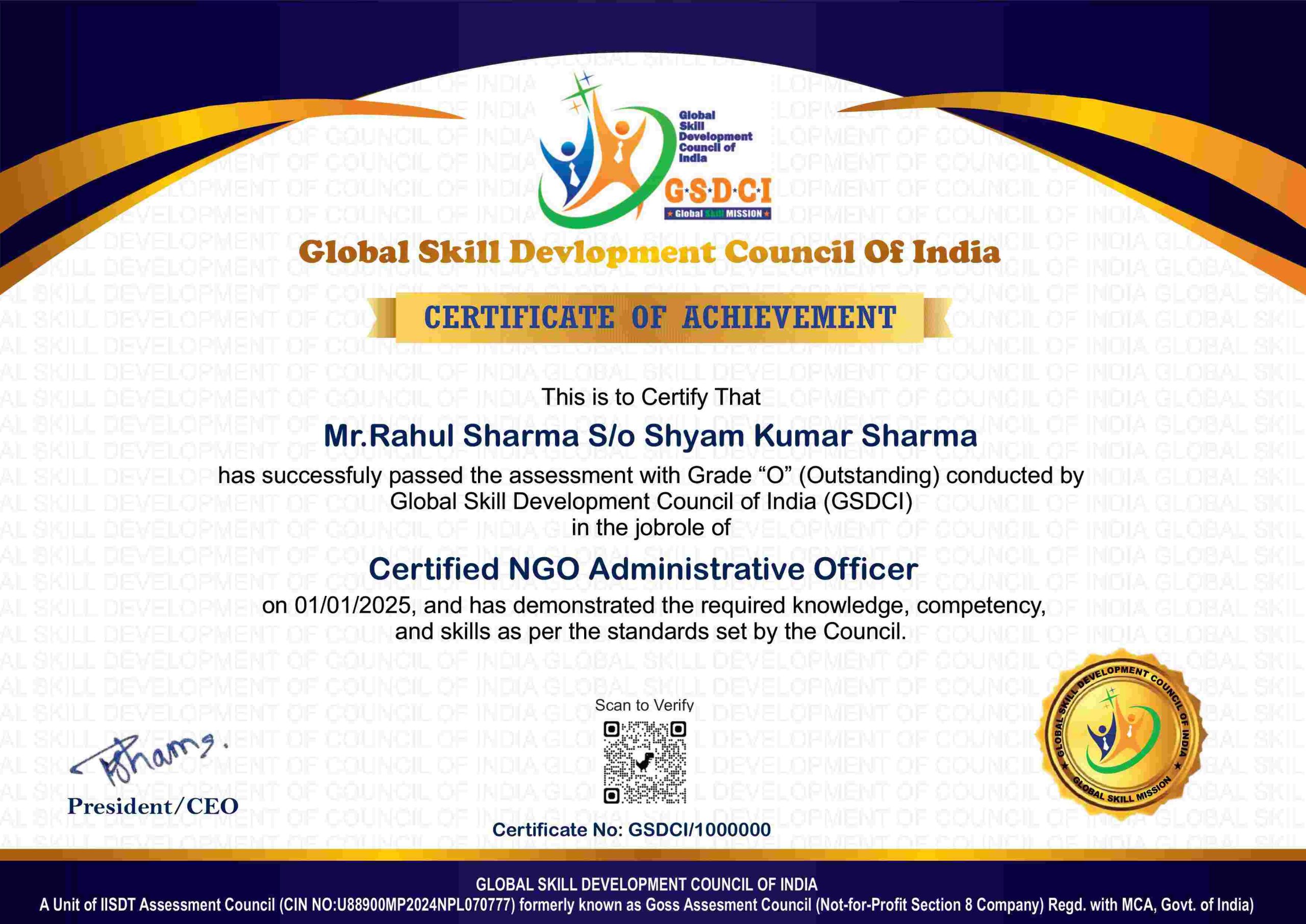
Certification: Within 5 days after Completion of Online Assessment.

Get ready to join the Journey to become a GSDCI Certified Professional  – International Certification and Assessment Body.

Steps to become a GSDCI Certified Professional:

Step 1: Select your certification you want to pursue.

Step 2: Click on get certified tab, new pop up window will open.

Step 3: Click on pay certification fee, you will be redirected to billing details page.

Step 4: Fill your details and click on pay certification fee, You will be redirected to payment gateway, pay fee by any available options like Card(Debit/Credit), Wallet, Paytm, Net banking, UPI and Google pay.

Step 5: You will get Login Credentials of Online E-Books and Online assessment link on your email id, within 48 hrs of payment.

Step 6: After completion of online assessment, you can download your Certificate Immediately.

Assessment Modules:

Module 1: Introduction to Nutritional Psychology and Mental Health: Overview of nutritional psychology and its scope, Relationship between diet and brain function, Neurobiology of mood, cognition, and behavior, Impact of food on neurotransmitter balance, Gut-brain axis and microbiome influence on mental health, Role of a nutritional psychologist/psychiatric nutritionist in integrative care.

Module 2: Nutrients and Their Role in Mental Health: Essential nutrients for brain health (omega-3s, B-vitamins, magnesium, etc.), Amino acids and neurotransmitter synthesis, Antioxidants and anti-inflammatory nutrients, Impact of blood sugar regulation on emotional stability, Nutrient deficiencies linked to depression, anxiety, and cognitive decline, Role of functional foods and nootropics.

Module 3: Dietary Patterns and Mental Health Outcomes: Mediterranean, DASH, anti-inflammatory, and plant-based diets, Effect of ultra-processed foods and additives on mental well-being, Elimination diets and food sensitivities in mood disorders, Role of hydration and caffeine in mental performance, Nutritional strategies for mood, stress, and attention regulation, Evidence-based research linking diet to psychiatric symptoms.

Module 4: Gut Health and the Brain Connection: Structure and function of the gut-brain axis, Role of the microbiota in emotional and cognitive regulation, Use of probiotics, prebiotics, and fermented foods, Dysbiosis and its effect on depression and anxiety, GI conditions and comorbid mental health issues, Assessment and dietary interventions for gut health optimization.

Module 5: Integrative and Clinical Approaches to Psychiatric Nutrition: Assessing mental health from a nutritional perspective, Clinical tools for evaluating dietary impact on mental status, Nutritional interventions for depression, anxiety, ADHD, and bipolar disorder, Collaborating with psychiatrists, therapists, and other professionals, Creating individualized nutrition care plans, Monitoring progress and adjusting interventions.

Module 6: Ethics, Counseling Skills, and Professional Practice: Ethical considerations in mental health nutrition care, Scope of practice and referral protocols, Client communication, empathy, and behavior change techniques, Building therapeutic alliances in nutrition counseling, Documentation, privacy, and informed consent, Career development, certification, and continuing education pathways.

GSDCI Online Assessment Detail:

  • Duration- 60 minutes.
  • Number of Questions- 30.
  • Number of Questions from each module: 5.
  • Language: English.
  • Exam Type: Multiple Choice Questions.
  • Maximum Marks- 100, Passing Marks- 50%.
  • There is no negative marking in any module.
Marking System:
S.No. No. of Questions Marks Each Question Total Marks
1 10 5 50
2 5 4 20
3 5 3 15
4 5 2 10
5 5 1 5
30   100
How Students will be Graded:
S.No. Marks Grade
1 91-100 O (Outstanding)
2 81-90 A+ (Excellent)
3 71-80 A (Very Good)
4 61-70 B (Good)
5 50-60 P (Pass)
6  0-49 F (Fail)


Benefits of Certification:

🌍 1. Global Recognition & Credibility – Stand out worldwide with a certification that opens doors across borders. Trusted by employers, respected by institutions, and recognized in over 100 countries.

📜 2. Quality Assurance through ISO Certification – Certified to global ISO standards, our programs deliver excellence, consistency, and a benchmarked learning experience that speaks for itself.

💼 3. Career Advancement & Employability – Enhances your resume and increases chances of promotions or job offers.

🤝 4. Non-Profit Trust Factor – Certifications from non-profit organizations are mission-driven rather than profit-driven.

📚 5. Access to Verified Learning & Resources – Often includes e-books, mock tests, and online support without hidden costs.

🔍 6. Transparency & Online Verification – Certifications come with a unique Enrolment ID for easy online verification by employers and institutions.

⏳ 7. Lifetime or Long-Term Validity – Certifications usually have lifetime validity or long-term recognition, reducing the need for frequent renewals.