Certified Radio Jockey / Radio Producer

6,500.00 3,250.00

50% fee concession will end in

To train learners in hosting and producing engaging radio shows through strong communication, scripting, and technical broadcasting skills.

Description

Certification Name: Certified Radio Jockey / Radio Producer

Global Occupational Skill Standard – GOSS ID: GOSS/JPM/CRJRP/V1

Eligibility: Graduation or Equivalent or minimum 2 years of relevant experience (experience-based learners can directly enroll and certify).

Objective: The Certified Radio Jockey / Radio Producer course is designed to train learners in the creative, technical, and communicative skills required to become engaging on-air personalities and efficient behind-the-scenes producers in radio broadcasting. The course covers voice modulation, diction, scripting, improvisation, public speaking, audience interaction, and show planning for various radio formats like talk shows, music shows, interviews, and podcasts.

Certification: Within 5 days after Completion of Online Assessment.

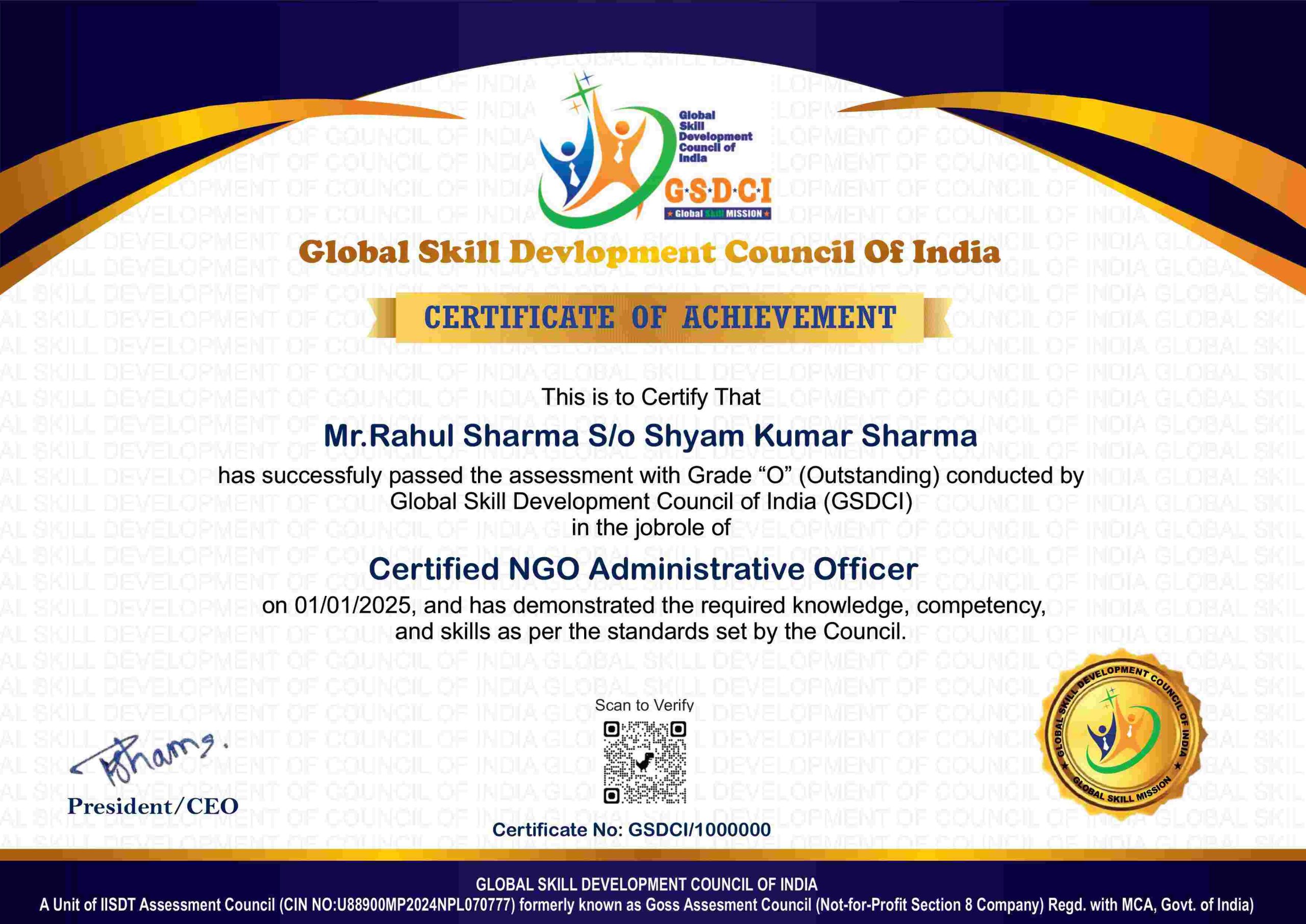
Get ready to join the Journey to become a GSDCI Certified Professional  – International Certification and Assessment Body.

Steps to become a GSDCI Certified Professional:

Step 1: Select your certification you want to pursue.

Step 2: Click on get certified tab, new pop up window will open.

Step 3: Click on pay certification fee, you will be redirected to billing details page.

Step 4: Fill your details and click on pay certification fee, You will be redirected to payment gateway, pay fee by any available options like Card(Debit/Credit), Wallet, Paytm, Net banking, UPI and Google pay.

Step 5: You will get Login Credentials of Online E-Books and Online assessment link on your email id, within 48 hrs of payment.

Step 6: After completion of online assessment, you can download your Certificate Immediately.

Assessment Modules:

Module 1: Introduction to Radio and Broadcast Communication: Overview of the radio industry and its evolution, Role and responsibilities of a Radio Jockey (RJ) and Radio Producer, Types of radio formats: talk shows, music shows, interviews, podcasts, Understanding audience segmentation and content planning, Ethics and regulations in radio broadcasting, Introduction to voice as a medium of communication.

Module 2: Voice Modulation and Presentation Skills: Breathing exercises and vocal warm-up techniques, Improving diction, pronunciation, and fluency, Voice modulation techniques for expression and emotion, On-air confidence, tone control, and spontaneity, Handling listener calls, live chats, and interactive sessions, Creating engaging storytelling and radio presence.

Module 3: Script Writing and Content Development: Writing for the ear: conversational and engaging style, Developing scripts for links, promos, commercials, and storytelling, Structuring radio shows: segments, transitions, hooks, and closings, Adapting content for news, entertainment, music, and interviews, Curating music playlists and coordinating with licensing teams, Managing content for various time slots and themes.

Module 4: Radio Production Techniques and Equipment: Understanding studio equipment: microphones, mixers, consoles, Basic audio editing using software like Adobe Audition or Audacity, Recording, editing, and producing voiceovers and jingles, Working with sound effects, background scores, and IDs, Live broadcasting techniques and automation tools, Maintaining sound quality and troubleshooting issues.

Module 5: Show Planning, Hosting, and Interviewing: Planning and scheduling a radio program from concept to execution, Researching guests and preparing interview questions, Managing time, flow, and transitions during shows, Handling live callers, contests, and public interactions, Hosting special programs, outdoor broadcasts, and collaborations, Coordinating with station producers and technical staff.

Module 6: Branding, Career Development, and New Media: Building a personal on-air brand and signature style, Creating a radio demo reel and voice portfolio, Exploring careers in FM, community radio, podcasts, and online radio, Marketing yourself through social media and digital audio platforms, Understanding ratings (RAM), listenership, and promotion strategies, Adapting RJ skills for podcasting, vlogging, and voice acting.

GSDCI Online Assessment Detail:

  • Duration- 60 minutes.
  • Number of Questions- 30.
  • Number of Questions from each module: 5.
  • Language: English.
  • Exam Type: Multiple Choice Questions.
  • Maximum Marks- 100, Passing Marks- 50%.
  • There is no negative marking in any module.
Marking System:
S.No. No. of Questions Marks Each Question Total Marks
1 10 5 50
2 5 4 20
3 5 3 15
4 5 2 10
5 5 1 5
30   100
How Students will be Graded:
S.No. Marks Grade
1 91-100 O (Outstanding)
2 81-90 A+ (Excellent)
3 71-80 A (Very Good)
4 61-70 B (Good)
5 50-60 P (Pass)
6  0-49 F (Fail)


Benefits of Certification:

🌍 1. Global Recognition & Credibility – Stand out worldwide with a certification that opens doors across borders. Trusted by employers, respected by institutions, and recognized in over 100 countries.

📜 2. Quality Assurance through ISO Certification – Certified to global ISO standards, our programs deliver excellence, consistency, and a benchmarked learning experience that speaks for itself.

💼 3. Career Advancement & Employability – Enhances your resume and increases chances of promotions or job offers.

🤝 4. Non-Profit Trust Factor – Certifications from non-profit organizations are mission-driven rather than profit-driven.

📚 5. Access to Verified Learning & Resources – Often includes e-books, mock tests, and online support without hidden costs.

🔍 6. Transparency & Online Verification – Certifications come with a unique Enrolment ID for easy online verification by employers and institutions.

⏳ 7. Lifetime or Long-Term Validity – Certifications usually have lifetime validity or long-term recognition, reducing the need for frequent renewals.

Reviews

There are no reviews yet.

Be the first to review “Certified Radio Jockey / Radio Producer”

Your email address will not be published. Required fields are marked *