
No products in the cart.


Certified Social Media Manager (Hospitality)
₹6,500.00 ₹3,250.00
50% fee concession will end in
To train professionals to manage social media channels that increase brand presence and guest engagement in hospitality.
Description
Certification Name: Certified Social Media Manager (Hospitality)
Global Occupational Skill Standard – GOSS ID: GOSS/HT/CSMM/V1
Eligibility: Graduation or Equivalent or minimum 2 years of relevant experience (experience-based learners can directly enroll and certify).
Objective: The Certified Social Media Manager (Hospitality) course is designed to equip professionals with the skills and knowledge to effectively plan, execute, and manage social media strategies tailored for the hospitality industry. The program covers social media platforms, content creation, audience engagement, brand building, crisis management, analytics, paid advertising, and influencer collaborations.
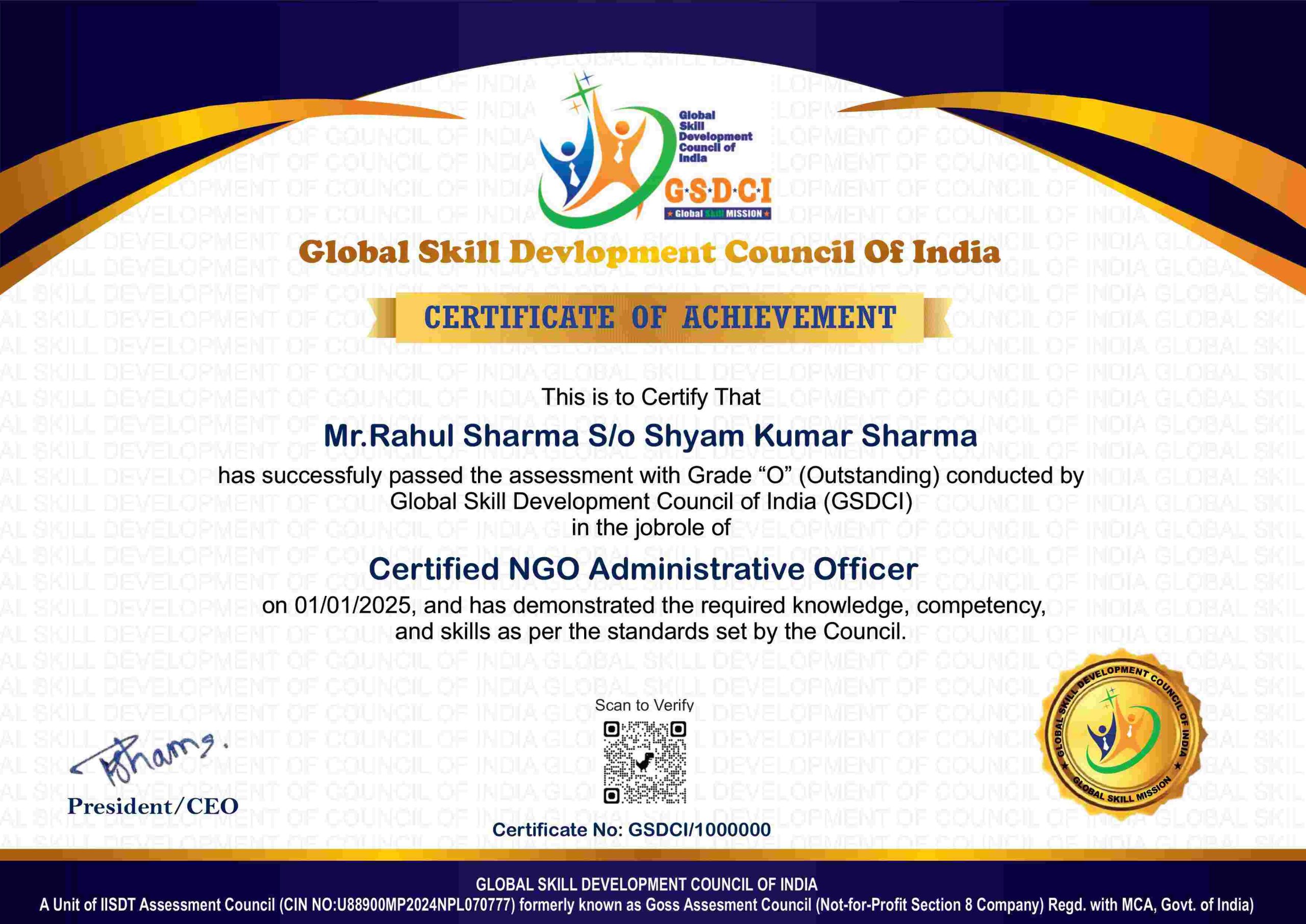
Certification: Within 5 days after Completion of Online Assessment.
Get ready to join the Journey to become a GSDCI Certified Professional – International Certification and Assessment Body.
Steps to become a GSDCI Certified Professional:
Step 1: Select your certification you want to pursue.
Step 2: Click on get certified tab, new pop up window will open.
Step 3: Click on pay certification fee, you will be redirected to billing details page.
Step 4: Fill your details and click on pay certification fee, You will be redirected to payment gateway, pay fee by any available options like Card(Debit/Credit), Wallet, Paytm, Net banking, UPI and Google pay.
Step 5: You will get Login Credentials of Online E-Books and Online assessment link on your email id, within 48 hrs of payment.
Step 6: After completion of online assessment, you can download your Certificate Immediately.
Assessment Modules:
Module 1: Introduction to Social Media in the Hospitality Industry: Role of social media in shaping guest experiences and brand reputation, Overview of major platforms (Facebook, Instagram, Twitter, LinkedIn, TikTok), Understanding the hospitality customer journey through social media, Aligning social media objectives with overall marketing and business goals, Trends in digital behavior and content consumption in hospitality, Key responsibilities and skills of a Hospitality Social Media Manager.
Module 2: Social Media Strategy and Content Planning: Creating a platform-specific content strategy for hotels, resorts, and restaurants, Setting SMART goals and KPIs for social media performance, Developing content calendars and scheduling posts for consistency, Visual storytelling: photography, reels, and video in travel and hospitality, Leveraging user-generated content (UGC) and influencer collaborations, Using themes and campaigns to drive engagement and seasonal promotions.
Module 3: Community Management and Guest Engagement: Responding to reviews, comments, and messages with brand voice, Building relationships with followers and handling guest inquiries, Managing online reputation and crisis communication on social platforms, Encouraging positive guest reviews and feedback organically, Handling complaints and negative feedback professionally and publicly, Tools for monitoring mentions, hashtags, and brand sentiment.
Module 4: Paid Advertising and Promotions on Social Media: Introduction to social media advertising tools (Meta Ads Manager, TikTok Ads, etc.), Creating targeted ad campaigns based on guest personas and travel behavior, A/B testing for content performance and budget optimization, Running promotions for special offers, events, and direct bookings, Retargeting website visitors and lookalike audiences, Measuring ROI of paid campaigns in terms of leads, engagement, and bookings.
Module 5: Analytics, Reporting, and Performance Optimization: Tracking key metrics: reach, impressions, engagement rate, CTR, conversions, Using native platform analytics and third-party tools (e.g., Hootsuite, Sprout Social), Interpreting data to refine content, strategy, and audience targeting, Competitor benchmarking and trend analysis, Creating monthly reports and visual dashboards for management, Aligning social media insights with sales, marketing, and guest satisfaction.
Module 6: Technology, Tools, and Trends in Hospitality Social Media: Emerging platforms and features (Threads, Instagram Broadcast, TikTok Shop), Social media automation and scheduling tools (Later, Buffer, Planoly), Integrating social media with CRM, PMS, and booking systems, Social commerce and direct sales through social media platforms, Collaborating with influencers, travel bloggers, and micro-creators, Future trends: AI content tools, AR filters, virtual concierge experiences.
GSDCI Online Assessment Detail:
- Duration- 60 minutes.
- Number of Questions- 30.
- Number of Questions from each module: 5.
- Language: English.
- Exam Type: Multiple Choice Questions.
- Maximum Marks- 100, Passing Marks- 50%.
- There is no negative marking in any module.
| Marking System: | |||
| S.No. | No. of Questions | Marks Each Question | Total Marks |
| 1 | 10 | 5 | 50 |
| 2 | 5 | 4 | 20 |
| 3 | 5 | 3 | 15 |
| 4 | 5 | 2 | 10 |
| 5 | 5 | 1 | 5 |
| 30 | 100 | ||
| How Students will be Graded: | |||
| S.No. | Marks | Grade | |
| 1 | 91-100 | O (Outstanding) | |
| 2 | 81-90 | A+ (Excellent) | |
| 3 | 71-80 | A (Very Good) | |
| 4 | 61-70 | B (Good) | |
| 5 | 50-60 | P (Pass) | |
| 6 | 0-49 | F (Fail) | |
Benefits of Certification:
🌍 1. Global Recognition & Credibility – Stand out worldwide with a certification that opens doors across borders. Trusted by employers, respected by institutions, and recognized in over 100 countries.
📜 2. Quality Assurance through ISO Certification – Certified to global ISO standards, our programs deliver excellence, consistency, and a benchmarked learning experience that speaks for itself.
💼 3. Career Advancement & Employability – Enhances your resume and increases chances of promotions or job offers.
🤝 4. Non-Profit Trust Factor – Certifications from non-profit organizations are mission-driven rather than profit-driven.
📚 5. Access to Verified Learning & Resources – Often includes e-books, mock tests, and online support without hidden costs.
🔍 6. Transparency & Online Verification – Certifications come with a unique Enrolment ID for easy online verification by employers and institutions.
⏳ 7. Lifetime or Long-Term Validity – Certifications usually have lifetime validity or long-term recognition, reducing the need for frequent renewals.
Reviews
There are no reviews yet.