Certified Warehouse Layout Designer

6,000.00 3,000.00

50% fee concession will end in

To train professionals to design efficient, safe, and scalable warehouse layouts that optimize space utilization, material flow, and operational productivity.

Description

Certification Name: Certified Warehouse Layout Designer

Global Occupational Skill Standard – GOSS ID: GOSS/TL/CWLD/V1

Eligibility: Graduation or Equivalent or minimum 2 years of relevant experience (experience-based learners can directly enroll and certify).

Objective: The Certified Warehouse Layout Designer course is designed to equip participants with the skills and knowledge needed to plan and create effective warehouse layouts tailored to specific operational requirements. The course covers principles of warehouse design, storage systems (racking, shelving, binning), material flow analysis, zoning (receiving, storage, picking, packing, shipping), ergonomic and safety considerations, and equipment placement (e.g., forklifts, conveyors, dock doors). 

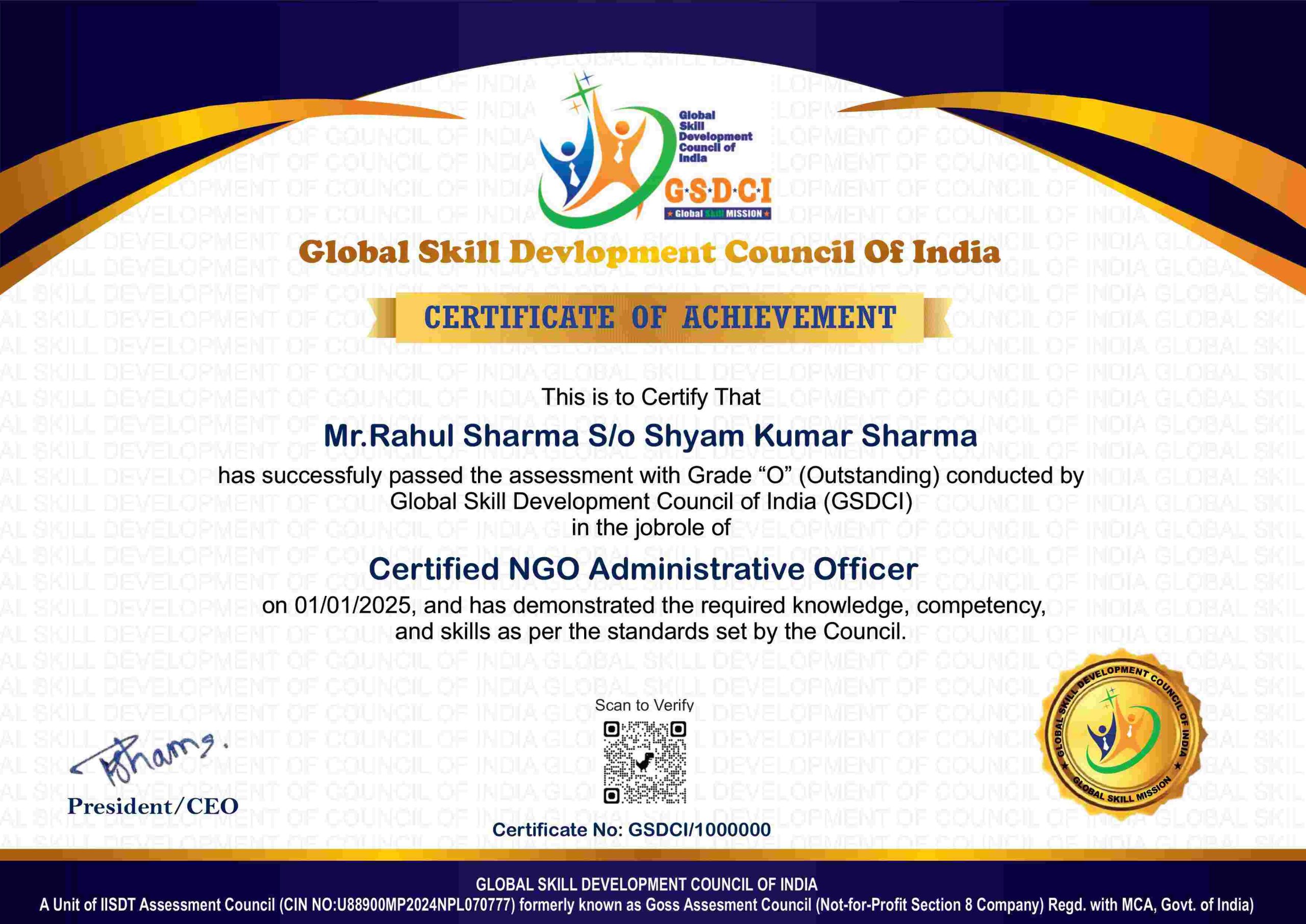
Certification: Within 5 days after Completion of Online Assessment.

Get ready to join the Journey to become a GSDCI Certified Professional  – International Certification and Assessment Body.

Steps to become a GSDCI Certified Professional:

Step 1: Select your certification you want to pursue.

Step 2: Click on get certified tab, new pop up window will open.

Step 3: Click on pay certification fee, you will be redirected to billing details page.

Step 4: Fill your details and click on pay certification fee, You will be redirected to payment gateway, pay fee by any available options like Card(Debit/Credit), Wallet, Paytm, Net banking, UPI and Google pay.

Step 5: You will get Login Credentials of Online E-Books and Online assessment link on your email id, within 48 hrs of payment.

Step 6: After completion of online assessment, you can download your Certificate Immediately.

Assessment Modules:

Module 1: Fundamentals of Warehouse Operations and Design Principles: Introduction to warehouse functions and types (distribution center, fulfillment, cold storage), Objectives of layout design: space optimization, productivity, safety, Key principles of effective warehouse layout planning, Role and responsibilities of a Warehouse Layout Designer, Understanding SKU characteristics and product flow dynamics, Regulatory and compliance requirements in warehouse design.

Module 2: Space Planning and Zoning Techniques: Space requirement calculation based on inventory profiles and throughput, Zoning for receiving, storage, picking, packing, dispatch, and returns, Optimizing storage density and accessibility using racking configurations, Dedicated vs shared space allocation strategies, Design considerations for special zones: quarantine, value-added services, climate-controlled areas, Flow design: U-shape, I-shape, L-shape, and cross-dock layouts.

Module 3: Storage Systems and Material Handling Equipment: Types of storage systems: selective racking, drive-in, push-back, pallet flow, AS/RS, Criteria for selecting appropriate storage equipment based on SKU velocity and volume, Overview of material handling equipment: forklifts, conveyors, AGVs, cranes, Integration of racking with MHE for optimized movement and safety, Load bearing, aisle width, height clearance, and seismic considerations, Safety standards related to racking and handling systems.

Module 4: Layout Drafting, Simulation, and Optimization Tools: Warehouse layout drawing using CAD or layout planning software, Use of simulation tools for evaluating layout performance and flow, Conducting time-motion studies and space utilization analysis, Heat maps, bottleneck identification, and travel path optimization, Scenario-based layout comparisons and decision-making, Data-driven layout redesign for scalability and future expansion.

Module 5: Integration of Technology and Automation in Layout Design: Designing layouts to accommodate WMS, barcode/RFID, and scanning zones, Planning for conveyors, sorters, pick-to-light, voice picking systems, Layout considerations for automation: robotics, shuttle systems, AMRs, IT infrastructure planning: workstations, servers, charging stations, Planning for future technology upgrades and flexibility, Sustainability and energy-efficient design practices.

Module 6: Project Implementation, Safety, and Continuous Improvement: Steps in implementing a new or reconfigured layout design, Stakeholder engagement: operations, safety, maintenance, and IT, Safety compliance: fire exits, sprinkler clearance, lighting, signage, Change management and minimizing disruption during layout transition, Continuous improvement strategies using Lean and 5S, Capstone project: design a layout for a specific warehouse scenario including zoning, flow, and equipment plan.

GSDCI Online Assessment Detail:

  • Duration- 60 minutes.
  • Number of Questions- 30.
  • Number of Questions from each module: 5.
  • Language: English.
  • Exam Type: Multiple Choice Questions.
  • Maximum Marks- 100, Passing Marks- 50%.
  • There is no negative marking in any module.
Marking System:
S.No. No. of Questions Marks Each Question Total Marks
1 10 5 50
2 5 4 20
3 5 3 15
4 5 2 10
5 5 1 5
30   100
How Students will be Graded:
S.No. Marks Grade
1 91-100 O (Outstanding)
2 81-90 A+ (Excellent)
3 71-80 A (Very Good)
4 61-70 B (Good)
5 50-60 P (Pass)
6  0-49 F (Fail)


Benefits of Certification:

🌍 1. Global Recognition & Credibility – Stand out worldwide with a certification that opens doors across borders. Trusted by employers, respected by institutions, and recognized in over 100 countries.

📜 2. Quality Assurance through ISO Certification – Certified to global ISO standards, our programs deliver excellence, consistency, and a benchmarked learning experience that speaks for itself.

💼 3. Career Advancement & Employability – Enhances your resume and increases chances of promotions or job offers.

🤝 4. Non-Profit Trust Factor – Certifications from non-profit organizations are mission-driven rather than profit-driven.

📚 5. Access to Verified Learning & Resources – Often includes e-books, mock tests, and online support without hidden costs.

🔍 6. Transparency & Online Verification – Certifications come with a unique Enrolment ID for easy online verification by employers and institutions.

⏳ 7. Lifetime or Long-Term Validity – Certifications usually have lifetime validity or long-term recognition, reducing the need for frequent renewals.

Reviews

There are no reviews yet.

Be the first to review “Certified Warehouse Layout Designer”

Your email address will not be published. Required fields are marked *