
No products in the cart.


Certified Wellness Tourism Specialist
₹6,500.00 ₹3,250.00
50% fee concession will end in
To train professionals to develop and promote wellness tourism experiences that enhance traveler well-being and support sustainability.
Description
Certification Name: Certified Wellness Tourism Specialist
Global Occupational Skill Standard – GOSS ID: GOSS/HT/CWTS/V1
Eligibility: Graduation or Equivalent or minimum 2 years of relevant experience (experience-based learners can directly enroll and certify).
Objective: The Certified Wellness Tourism Specialist course is designed to equip professionals with the knowledge and skills to develop, manage, and promote wellness tourism products and experiences. The program covers wellness industry trends, health and wellness services, destination marketing, customer experience design, cultural sensitivity, and sustainable wellness practices.
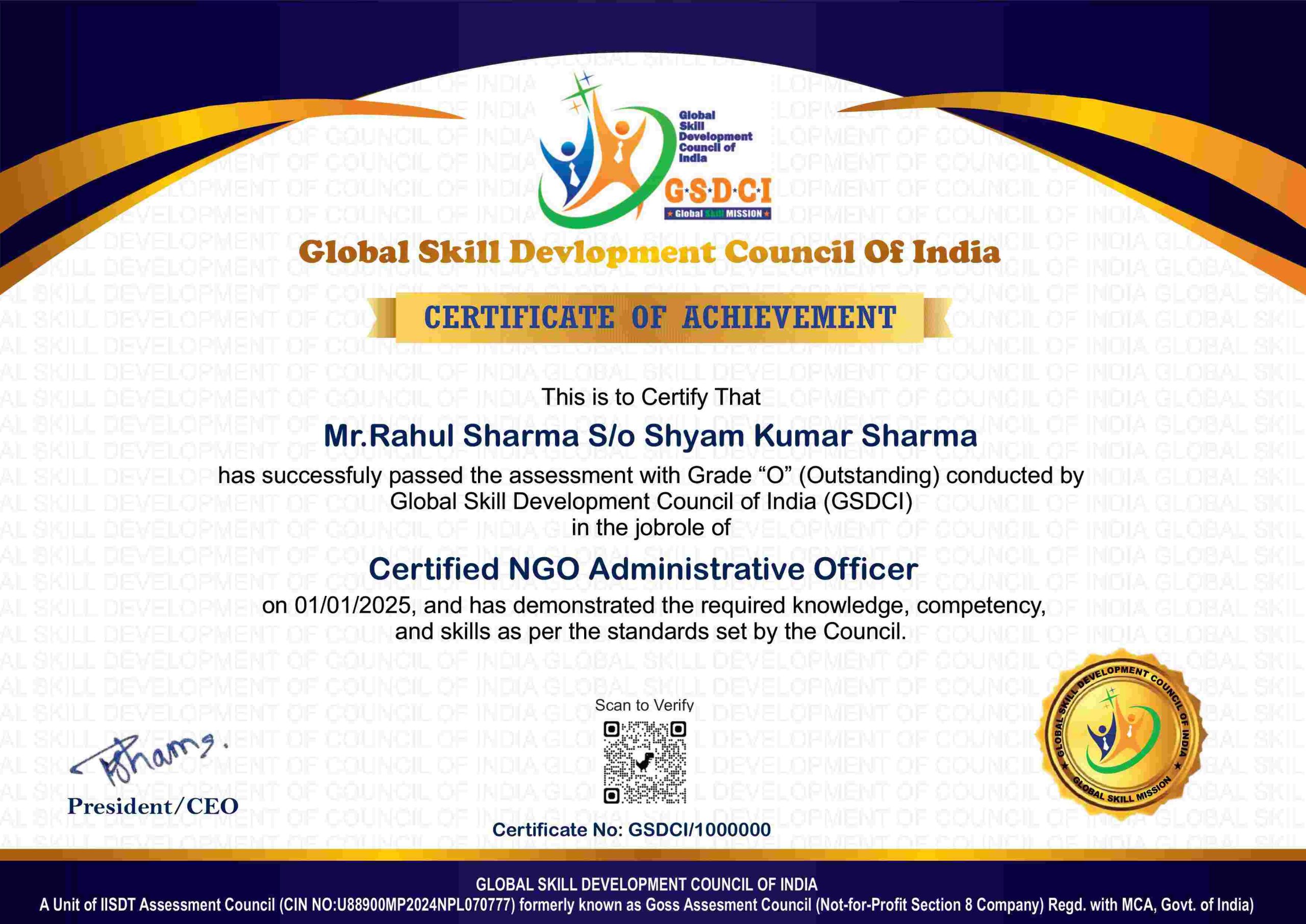
Certification: Within 5 days after Completion of Online Assessment.
Get ready to join the Journey to become a GSDCI Certified Professional – International Certification and Assessment Body.
Steps to become a GSDCI Certified Professional:
Step 1: Select your certification you want to pursue.
Step 2: Click on get certified tab, new pop up window will open.
Step 3: Click on pay certification fee, you will be redirected to billing details page.
Step 4: Fill your details and click on pay certification fee, You will be redirected to payment gateway, pay fee by any available options like Card(Debit/Credit), Wallet, Paytm, Net banking, UPI and Google pay.
Step 5: You will get Login Credentials of Online E-Books and Online assessment link on your email id, within 48 hrs of payment.
Step 6: After completion of online assessment, you can download your Certificate Immediately.
Assessment Modules:
Module 1: Introduction to Wellness Tourism and Industry Overview: Definition and scope of wellness tourism, Evolution of wellness travel from traditional healing to modern retreats, Key global and Indian wellness tourism destinations and offerings, Difference between wellness tourism and medical tourism, Market trends, traveler motivations, and growth drivers, Role of a Wellness Tourism Specialist in planning and promotion.
Module 2: Wellness Modalities and Experience Design: Overview of wellness services: Ayurveda, yoga, meditation, spa, naturopathy, Designing holistic itineraries with physical, mental, and spiritual elements, Integrating wellness practices with local culture and natural environments, Customizing experiences for different traveler segments: solo, group, senior, Integrating nutrition, detox, mindfulness, and lifestyle programs, Collaborating with certified wellness professionals and retreat centers.
Module 3: Destination and Facility Management for Wellness Tourism: Selecting and developing wellness-friendly destinations and properties, Wellness infrastructure requirements: design, hygiene, sustainability, Creating a healing ambiance through architecture, sound, light, and scent, Managing retreat logistics: accommodation, meals, therapies, workshops, Quality assurance and wellness service standards (e.g., WELL, LEED), Safety, health protocols, and guest confidentiality in wellness settings.
Module 4: Marketing and Promotion of Wellness Travel Experiences: Identifying target audiences and wellness traveler personas, Wellness tourism branding, positioning, and storytelling strategies, Digital marketing tools: social media, blogs, videos, SEO for wellness travel, Partnering with influencers, wellness coaches, and travel platforms, Packaging and pricing retreats, programs, and destination experiences, Participation in global wellness expos, trade shows, and roadshows.
Module 5: Ethics, Regulations, and Sustainable Wellness Practices:Ethical considerations: cultural respect, wellness claims, and consent, Understanding wellness certifications and regulations (e.g., AYUSH, spa standards), Promoting sustainability: eco-friendly facilities, local sourcing, waste reduction, Avoiding over-commercialization and cultural misrepresentation, Gender sensitivity, accessibility, and inclusiveness in wellness programs, Crisis management, mental health awareness, and guest safety.
Module 6: Innovation, Trends, and Future of Wellness Tourism: Trends in digital wellness: virtual retreats, wellness apps, biohacking, Integration of technology: wearables, diagnostics, AI in personalized wellness, Rise of niche wellness: forest bathing, sound therapy, sleep tourism, Building resilient wellness destinations post-pandemic and climate change, Developing wellness tourism entrepreneurship and career opportunities, Creating long-term impact through regenerative wellness travel models.
GSDCI Online Assessment Detail:
- Duration- 60 minutes.
- Number of Questions- 30.
- Number of Questions from each module: 5.
- Language: English.
- Exam Type: Multiple Choice Questions.
- Maximum Marks- 100, Passing Marks- 50%.
- There is no negative marking in any module.
| Marking System: | |||
| S.No. | No. of Questions | Marks Each Question | Total Marks |
| 1 | 10 | 5 | 50 |
| 2 | 5 | 4 | 20 |
| 3 | 5 | 3 | 15 |
| 4 | 5 | 2 | 10 |
| 5 | 5 | 1 | 5 |
| 30 | 100 | ||
| How Students will be Graded: | |||
| S.No. | Marks | Grade | |
| 1 | 91-100 | O (Outstanding) | |
| 2 | 81-90 | A+ (Excellent) | |
| 3 | 71-80 | A (Very Good) | |
| 4 | 61-70 | B (Good) | |
| 5 | 50-60 | P (Pass) | |
| 6 | 0-49 | F (Fail) | |
Benefits of Certification:
🌍 1. Global Recognition & Credibility – Stand out worldwide with a certification that opens doors across borders. Trusted by employers, respected by institutions, and recognized in over 100 countries.
📜 2. Quality Assurance through ISO Certification – Certified to global ISO standards, our programs deliver excellence, consistency, and a benchmarked learning experience that speaks for itself.
💼 3. Career Advancement & Employability – Enhances your resume and increases chances of promotions or job offers.
🤝 4. Non-Profit Trust Factor – Certifications from non-profit organizations are mission-driven rather than profit-driven.
📚 5. Access to Verified Learning & Resources – Often includes e-books, mock tests, and online support without hidden costs.
🔍 6. Transparency & Online Verification – Certifications come with a unique Enrolment ID for easy online verification by employers and institutions.
⏳ 7. Lifetime or Long-Term Validity – Certifications usually have lifetime validity or long-term recognition, reducing the need for frequent renewals.
Reviews
There are no reviews yet.