img not found!

Certificate in Mobile App Development for Tourism

Certificate in Mobile App Development for Tourism

₹6,500.00 ₹3,250.00

50% fee concession will end in

To train professionals to develop innovative mobile apps that enhance traveler experiences and support tourism businesses.

Description

Course Name: Certificate in Mobile App Development for Tourism

Global Occupational Skill Standard – GOSS ID: GOSS/HT/CMADT/V1

Eligibility: 10+2 or Equivalent.

Duration: Three Months.

Objective: The Certificate in Mobile App Development for Tourism course is designed to equip professionals with the skills and knowledge to design, develop, and deploy mobile and web applications specifically tailored for the tourism industry. The program covers app development fundamentals, user interface (UI) and user experience (UX) design, integration of location-based services, booking and reservation systems, travel itinerary management, digital marketing tools, and data analytics. 

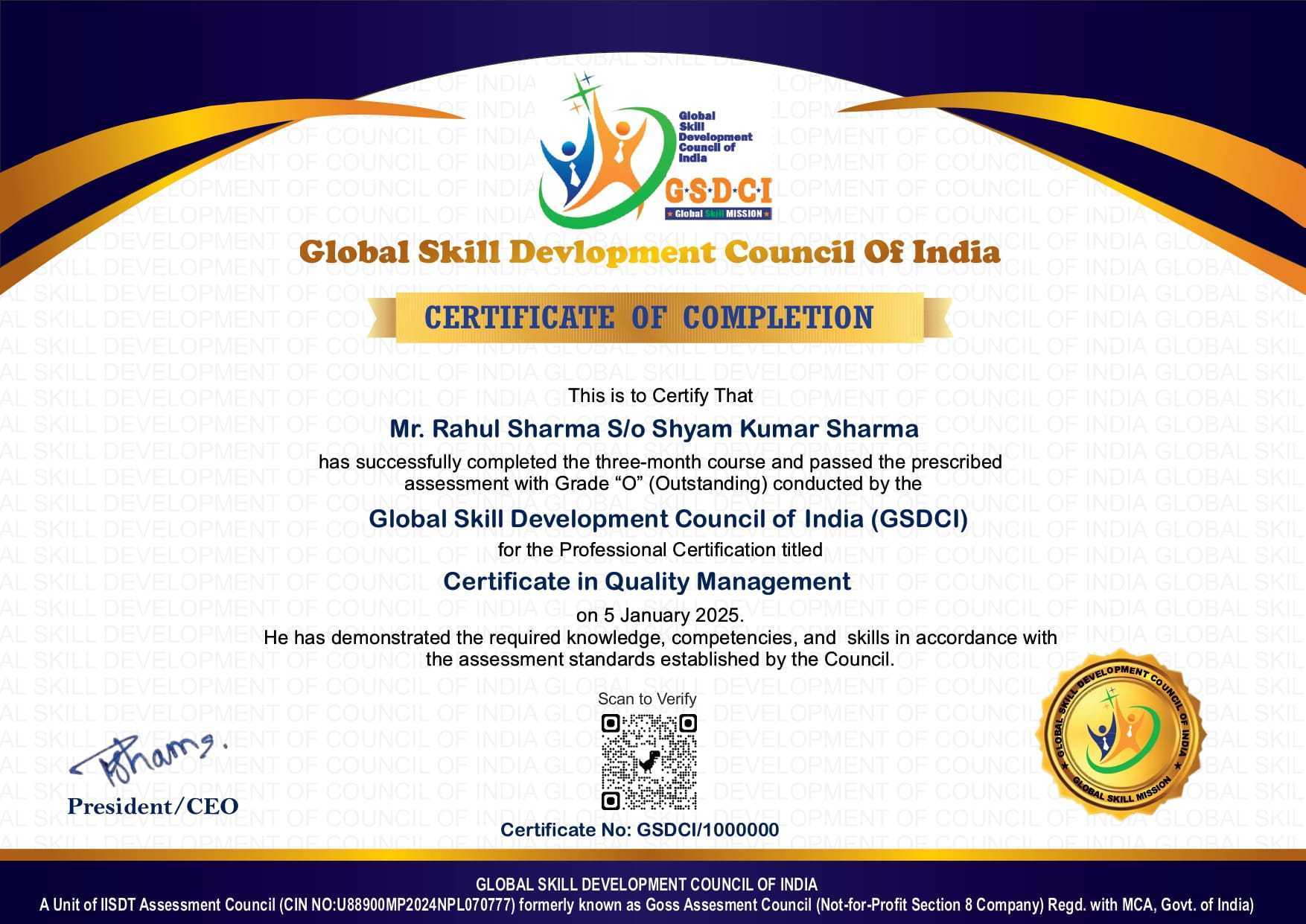
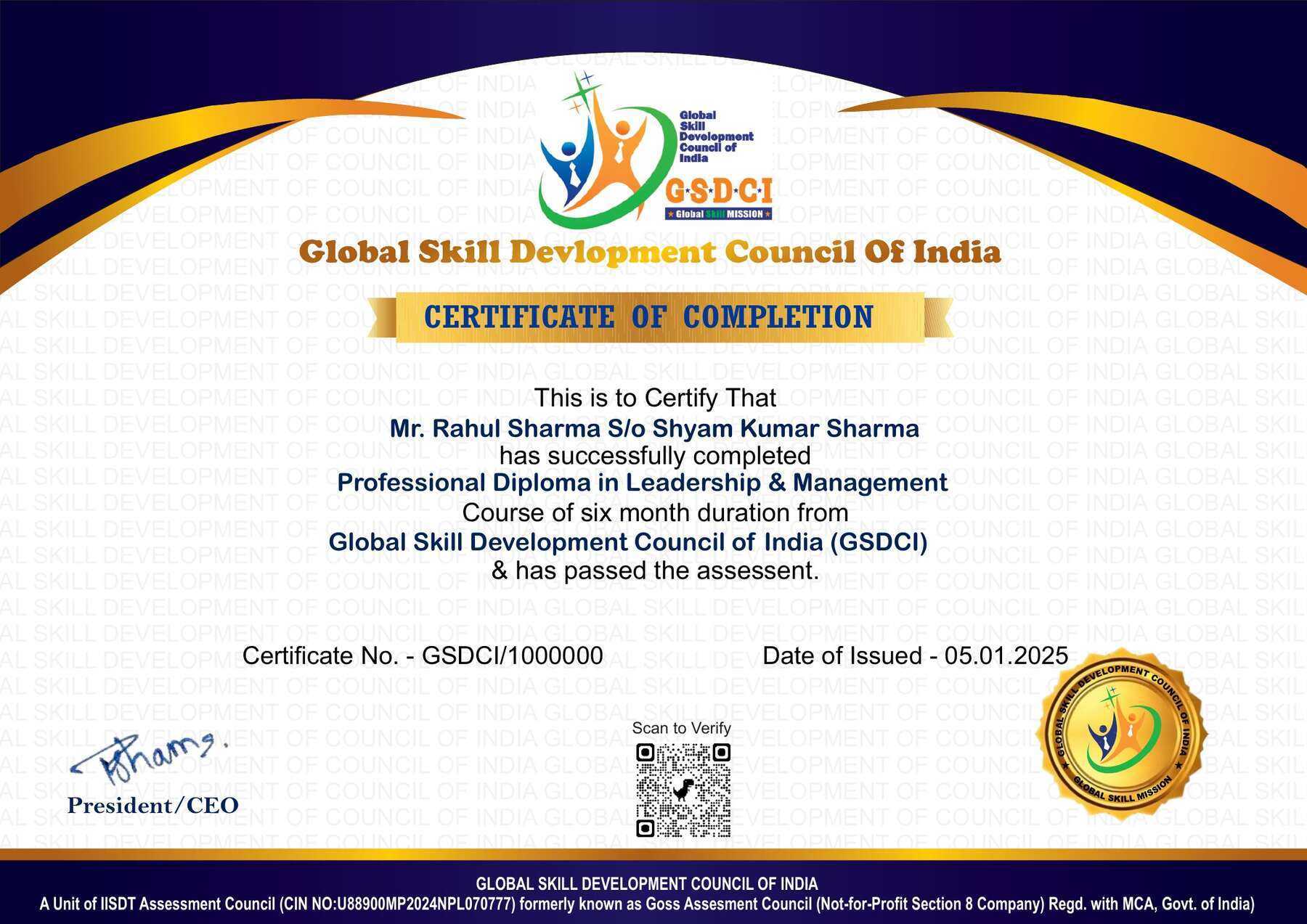
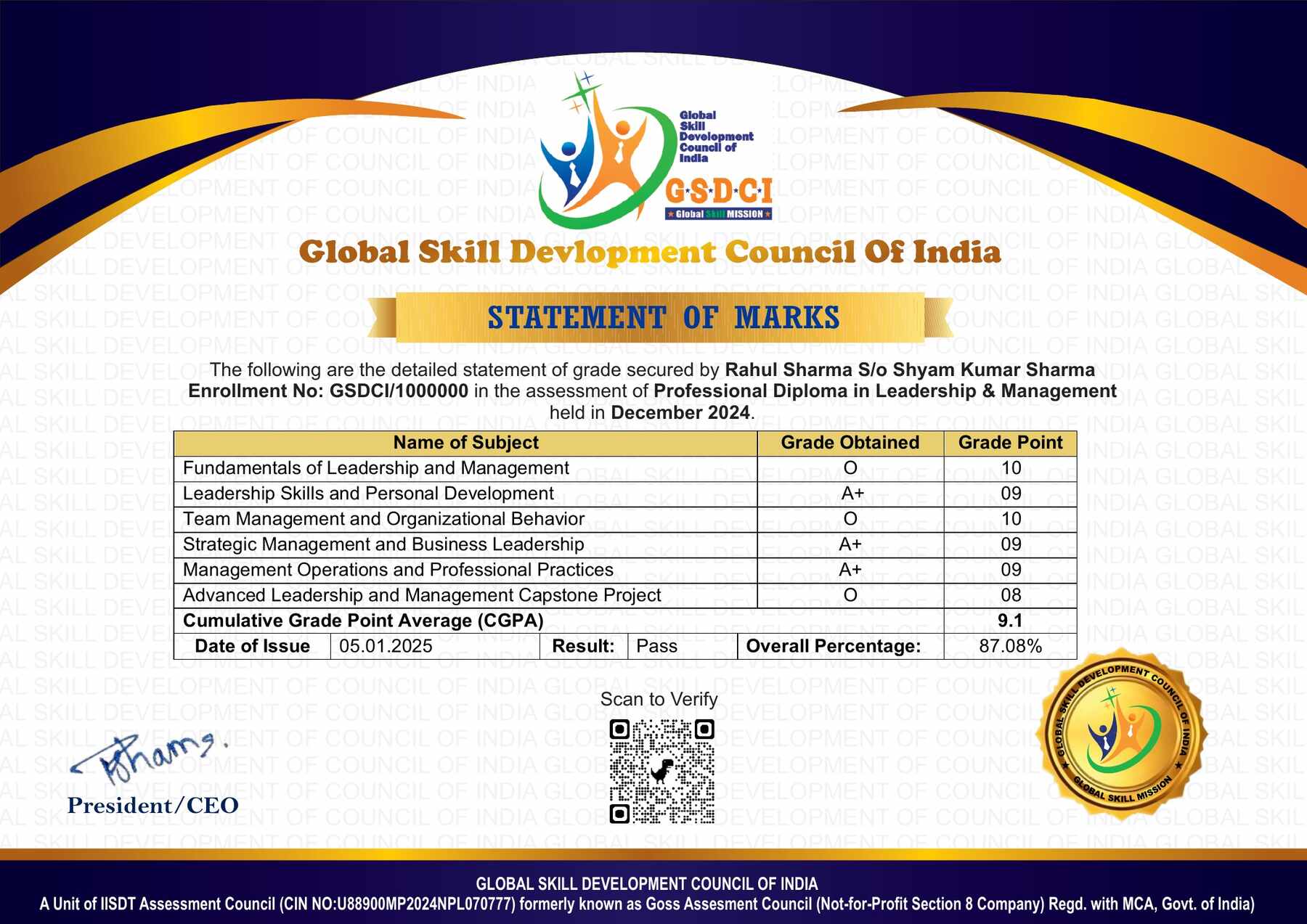
Get ready to join the Journey to become a GSDCI Certified Professional  – International Certification and Assessment Body.

Steps to become a GSDCI Certified Professional:

Step 1: Select your certification you want to pursue.

Step 2: Click on get certified tab, new pop up window will open.

Step 3: Click on pay certification fee, you will be redirected to billing details page.

Step 4: Fill your details and click on pay certification fee, You will be redirected to payment gateway, pay fee by any available options like Card(Debit/Credit), Wallet, Paytm, Net banking, UPI and Google pay.

Step 5: You will get Login Credentials of Online E-Books and Online assessment link on your email id, within 48 hrs of payment.

Step 6: After completion of the online assessment, the soft copy of your certificate will be sent to your registered email ID within 5 days.

Assessment Modules:

Module 1: Fundamentals of Tourism and Mobile Application Development: Overview of the tourism industry and digital transformation trends, Types of tourism apps: travel guides, booking, itinerary planners, local discovery, Introduction to mobile platforms: Android, iOS, cross-platform tools, Mobile development lifecycle: planning, design, coding, testing, Key features expected in tourism apps: maps, content, bookings, reviews, Understanding user personas and needs of modern travelers.

Module 2: UI/UX Design for Travel Applications: Principles of user interface (UI) and user experience (UX) for tourism apps, Designing intuitive navigation and interactive travel features, Creating wireframes and prototypes using tools like Figma or Adobe XD, Personalization features: preferences, language, travel history, Design best practices for multi-language and cross-cultural users, Accessibility, responsiveness, and mobile-first design strategies.

Module 3: Core App Development and Backend Integration: Setting up the development environment (Android Studio, Xcode, Flutter), Using APIs for real-time booking, flights, hotels, and weather data, Integrating maps, location-based services, and GPS tracking, Building custom dashboards for itinerary, expense tracking, and notifications, Connecting with CMS for dynamic tourism content updates, Backend development: user authentication, databases, cloud storage.

Module 4: Travel Content, Multimedia, and AR/VR Integration: Incorporating travel content: descriptions, images, blogs, and videos, Embedding 360-degree videos and VR experiences of destinations, Adding AR features for interactive city guides and landmarks, Localized content and voiceovers for diverse tourism audiences, Integrating user-generated content, reviews, and social sharing, Managing copyright and sourcing high-quality multimedia assets.

Module 5: Monetization, Analytics, and User Engagement: Monetization models: ads, in-app purchases, premium features, affiliate links, Setting up push notifications for promotions and travel alerts, Loyalty programs and gamification elements to increase usage, Using analytics tools to track user behavior, retention, and ROI, A/B testing and performance monitoring for feature optimization, Enhancing app engagement through feedback loops and AI recommendations.

Module 6: Deployment, Marketing, and Future of Tourism Apps: Preparing apps for deployment on Google Play Store and Apple App Store, App Store Optimization (ASO) techniques for visibility and downloads, Digital marketing strategies: SEO, influencer partnerships, social media, Legal considerations: privacy policies, data security, travel regulations, Case studies of successful tourism app startups and innovations, Trends: AI trip planners, blockchain-based travel, voice-enabled booking systems.

GSDCI Online Assessment Detail:

  • Duration- 60 minutes.
  • Number of Questions- 30.
  • Number of Questions from each module: 5.
  • Language: English.
  • Exam Type: Multiple Choice Questions.
  • Maximum Marks- 100, Passing Marks- 50%.
  • There is no negative marking in any module.
Marking System:
S.No. No. of Questions Marks Each Question Total Marks
1 10 5 50
2 5 4 20
3 5 3 15
4 5 2 10
5 5 1 5
30   100
How Students will be Graded:
S.No. Marks Grade
1 91-100 O (Outstanding)
2 81-90 A+ (Excellent)
3 71-80 A (Very Good)
4 61-70 B (Good)
5 50-60 P (Pass)
6  0-49 F (Fail)


Benefits of Certification:

1. Global Recognition & Credibility – Stand out worldwide with a certification that strengthens your professional profile across borders and demonstrates your skills to employers and institutions.

2. Quality Assurance through ISO Certification – Programs follow an ISO-certified quality management system to promote consistency, reliability, and a standardized learning experience.

3. Career Advancement & Employability – Enhance your résumé, demonstrate professional competence, and improve your prospects for career growth, promotions, or suitable job opportunities.

4. Non-Profit Trust Factor – Certification from a non-profit organization reflects a mission-driven approach focused on skill development, professional learning, and public benefit.

5. Access to Learning Resources – Gain access to useful learning resources such as e-books, mock tests, assessments, and online academic support.

6. Transparency & Online Verification – Each certification includes a unique enrolment or certificate ID, enabling convenient online verification by employers and other interested parties.

7. Lifetime or Long-Term Validity – Certifications may offer lifetime or extended validity, reducing the need for frequent renewal, subject to the applicable certification scheme.

Course Rating

5.0/5
★★★★★
★★★★★

Based on 36 student ratings

Highly Rated Course

Reviews

There are no reviews yet.

Be the first to review “Certificate in Mobile App Development for Tourism”

Your email address will not be published. Required fields are marked *

A 50% fee concession is applicable on all certification up to 15th October 2026.

1
  • Item added to cart
1
Your Certification Detail
Online Course Certified Boutique Hotel Manager
Certificate in Boutique Hotel Management
1 X
₹6,500.00 ₹3,250.00
= ₹3,250.00