img not found!

Certificate in Tourism Data Analytics

Certificate in Tourism Data Analytics

₹6,000.00 ₹3,000.00

50% fee concession will end in

To train professionals to analyze tourism data and deliver insights that support strategic planning and growth. 

Description

Course Name: Certificate in Tourism Data Analytics

Global Occupational Skill Standard – GOSS ID: GOSS/HT/CTDA/V1

Eligibility: Graduation or Equivalent.

Duration: Three Months.

Objective: The Certificate in Tourism Data Analytics course is designed to equip professionals with the skills and knowledge to collect, analyze, and interpret data relevant to the tourism industry. The program covers data collection methods, statistical analysis, data visualization, predictive modeling, market research, customer behavior analysis, and tourism trend forecasting. 

Get ready to join the Journey to become a GSDCI Certified Professional  – International Certification and Assessment Body.

Steps to become a GSDCI Certified Professional:

Step 1: Select your certification you want to pursue.

Step 2: Click on get certified tab, new pop up window will open.

Step 3: Click on pay certification fee, you will be redirected to billing details page.

Step 4: Fill your details and click on pay certification fee, You will be redirected to payment gateway, pay fee by any available options like Card(Debit/Credit), Wallet, Paytm, Net banking, UPI and Google pay.

Step 5: You will get Login Credentials of Online E-Books and Online assessment link on your email id, within 48 hrs of payment.

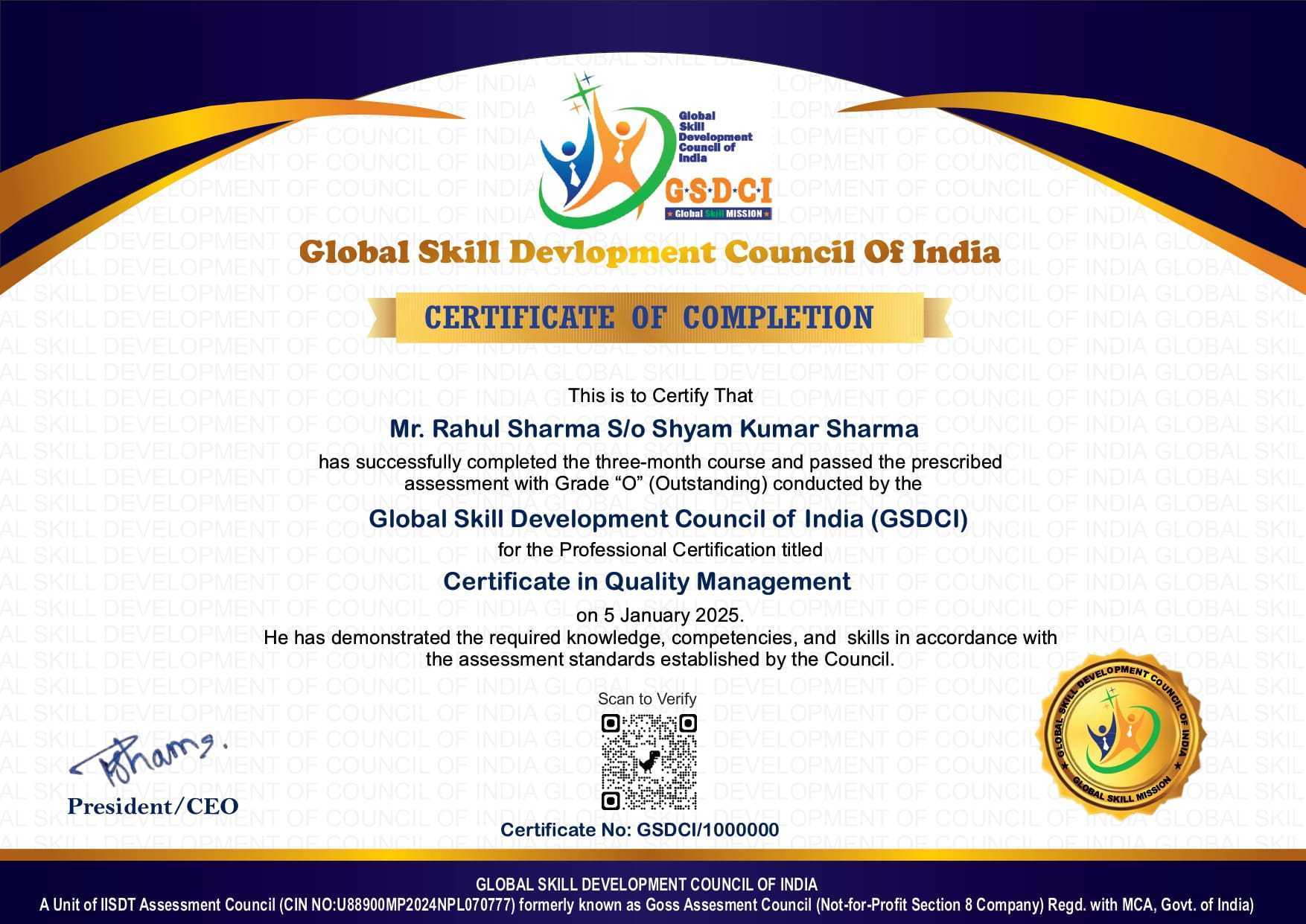
Step 6: After completion of the online assessment, the soft copy of your certificate will be sent to your registered email ID within 5 days.

Assessment Modules:

Module 1: Introduction to Tourism Analytics and Data Literacy: Role of data in tourism planning, marketing, and operations, Types of tourism data: demographic, behavioral, transactional, Importance of data-driven decision-making in travel and tourism, Data sources in tourism: surveys, booking engines, social media, IoT, Understanding data types: structured, unstructured, and geospatial, Ethical data use, privacy considerations, and regulatory compliance (e.g., GDPR).

Module 2: Data Collection Methods and Tourism Data Sources: Primary vs. secondary data in tourism research, Tools for collecting data: online forms, mobile apps, CRM systems, Using Google Analytics, OTA platforms, and social media insights, Working with tourism statistics from government and global organizations (UNWTO, WTTC), Data acquisition through APIs, sensors, and geolocation tracking, Challenges in collecting accurate and real-time tourism data.

Module 3: Data Cleaning, Processing, and Visualization: Data cleaning techniques: handling missing values, duplicates, and inconsistencies, Structuring and organizing raw data for analysis, Introduction to Excel, Power Query, and data transformation tools, Visualization best practices using charts, maps, and dashboards, Using tools like Tableau, Power BI, or Google Data Studio in tourism, Interpreting trends, seasonality, and destination-specific metrics visually.

Module 4: Tourism Metrics, KPIs, and Performance Indicators: Key tourism performance indicators: ARR, RevPAR, occupancy rate, footfall, customer lifetime value, Measuring destination performance: arrivals, stay duration, satisfaction, spending, Analyzing traveler segments: leisure vs. business, local vs. international, Tracking digital engagement: website traffic, conversion rates, social media impact, Benchmarking with industry standards and regional averages, Creating tourism scorecards and executive reports.

Module 5: Predictive Analytics and Market Forecasting: Basics of forecasting methods: time-series, regression, machine learning, Predicting demand, tourist inflows, and booking patterns, Using historical data to inform pricing and promotional strategies, Visitor behavior prediction for itinerary and package customization, Applications of AI in tourism demand forecasting and sentiment analysis, Scenario modeling for risk management and crisis response planning.

Module 6: Strategic Applications and Reporting for Stakeholders: Building data-driven tourism strategies and policy recommendations, Customizing reports for tourism boards, travel agencies, and hotels, Presenting insights to non-technical stakeholders effectively, Data storytelling techniques to support marketing and investment decisions, Case studies of successful tourism analytics implementations, Career paths, certifications, and tools for professional growth as a tourism data analyst.

GSDCI Online Assessment Detail:

  • Duration- 60 minutes.
  • Number of Questions- 30.
  • Number of Questions from each module: 5.
  • Language: English.
  • Exam Type: Multiple Choice Questions.
  • Maximum Marks- 100, Passing Marks- 50%.
  • There is no negative marking in any module.
Marking System:
S.No. No. of Questions Marks Each Question Total Marks
1 10 5 50
2 5 4 20
3 5 3 15
4 5 2 10
5 5 1 5
30   100
How Students will be Graded:
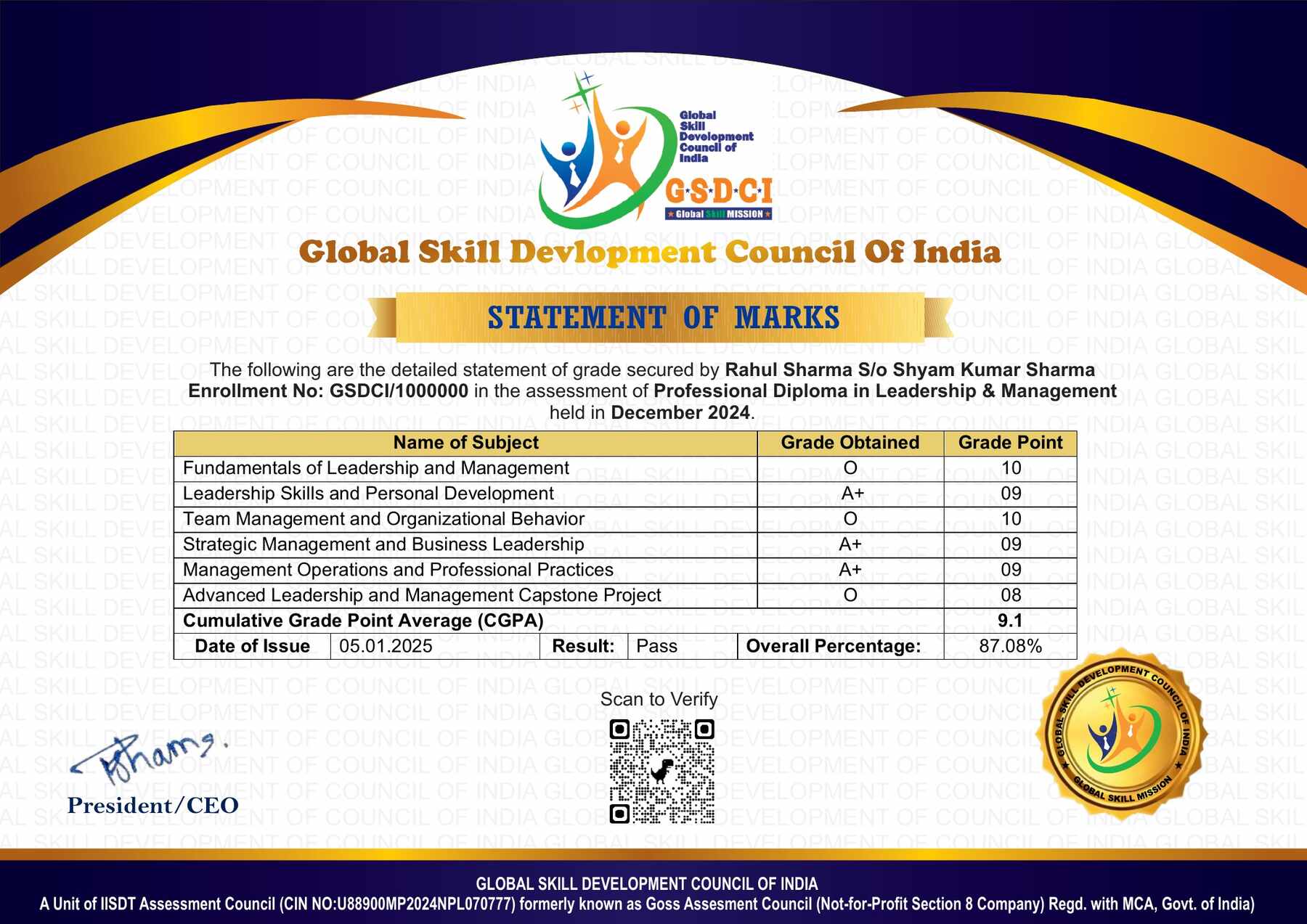
S.No. Marks Grade
1 91-100 O (Outstanding)
2 81-90 A+ (Excellent)
3 71-80 A (Very Good)
4 61-70 B (Good)
5 50-60 P (Pass)
6  0-49 F (Fail)


Benefits of Certification:

1. Global Recognition & Credibility – Stand out worldwide with a certification that strengthens your professional profile across borders and demonstrates your skills to employers and institutions.

2. Quality Assurance through ISO Certification – Programs follow an ISO-certified quality management system to promote consistency, reliability, and a standardized learning experience.

3. Career Advancement & Employability – Enhance your résumé, demonstrate professional competence, and improve your prospects for career growth, promotions, or suitable job opportunities.

4. Non-Profit Trust Factor – Certification from a non-profit organization reflects a mission-driven approach focused on skill development, professional learning, and public benefit.

5. Access to Learning Resources – Gain access to useful learning resources such as e-books, mock tests, assessments, and online academic support.

6. Transparency & Online Verification – Each certification includes a unique enrolment or certificate ID, enabling convenient online verification by employers and other interested parties.

7. Lifetime or Long-Term Validity – Certifications may offer lifetime or extended validity, reducing the need for frequent renewal, subject to the applicable certification scheme.

Course Rating

4.7/5
★★★★★
★★★★★

Based on 27 student ratings

Highly Rated Course

Reviews

There are no reviews yet.

Be the first to review “Certificate in Tourism Data Analytics”

Your email address will not be published. Required fields are marked *

A 50% fee concession is applicable on all certification up to 15th October 2026.

2
  • Item added to cart
2
Your Certification Detail
Online Course Certified Tourism App Developer
Certificate in Mobile App Development for Tourism
1 X
₹6,500.00 ₹3,250.00
= ₹3,250.00
Online Course Certified Housekeeping Manager
Certificate in Housekeeping Operations
1 X
₹6,500.00 ₹3,250.00
= ₹3,250.00