img not found!

Certificate in Passive Fire Protection Systems

Certificate in Passive Fire Protection Systems

₹6,500.00 ₹3,250.00

50% fee concession will end in

To train professionals to design, assess, and implement passive fire protection systems that prevent fire spread and enhance structural safety in buildings.

Description

Course Name: Certificate in Passive Fire Protection Systems

Global Occupational Skill Standard – GOSS ID: GOSS/FS/CPFPS/V1

Eligibility: Graduation or Equivalent.

Duration: Three Months.

Objective: The Certificate in Passive Fire Protection Systems course is designed to provide in-depth knowledge of fire-resistant construction methods and materials that prevent or slow the spread of fire and smoke. The course covers key components of passive fire protection such as fire-rated walls and doors, firestopping systems, fireproof coatings, compartmentation, structural fire resistance, and penetration seals. Participants will learn to interpret and apply building codes and standards such as NFPA, IBC, IS codes, and UL listings. 

Get ready to join the Journey to become a GSDCI Certified Professional  – International Certification and Assessment Body.

Steps to become a GSDCI Certified Professional:

Step 1: Select your certification you want to pursue.

Step 2: Click on get certified tab, new pop up window will open.

Step 3: Click on pay certification fee, you will be redirected to billing details page.

Step 4: Fill your details and click on pay certification fee, You will be redirected to payment gateway, pay fee by any available options like Card(Debit/Credit), Wallet, Paytm, Net banking, UPI and Google pay.

Step 5: You will get Login Credentials of Online E-Books and Online assessment link on your email id, within 48 hrs of payment.

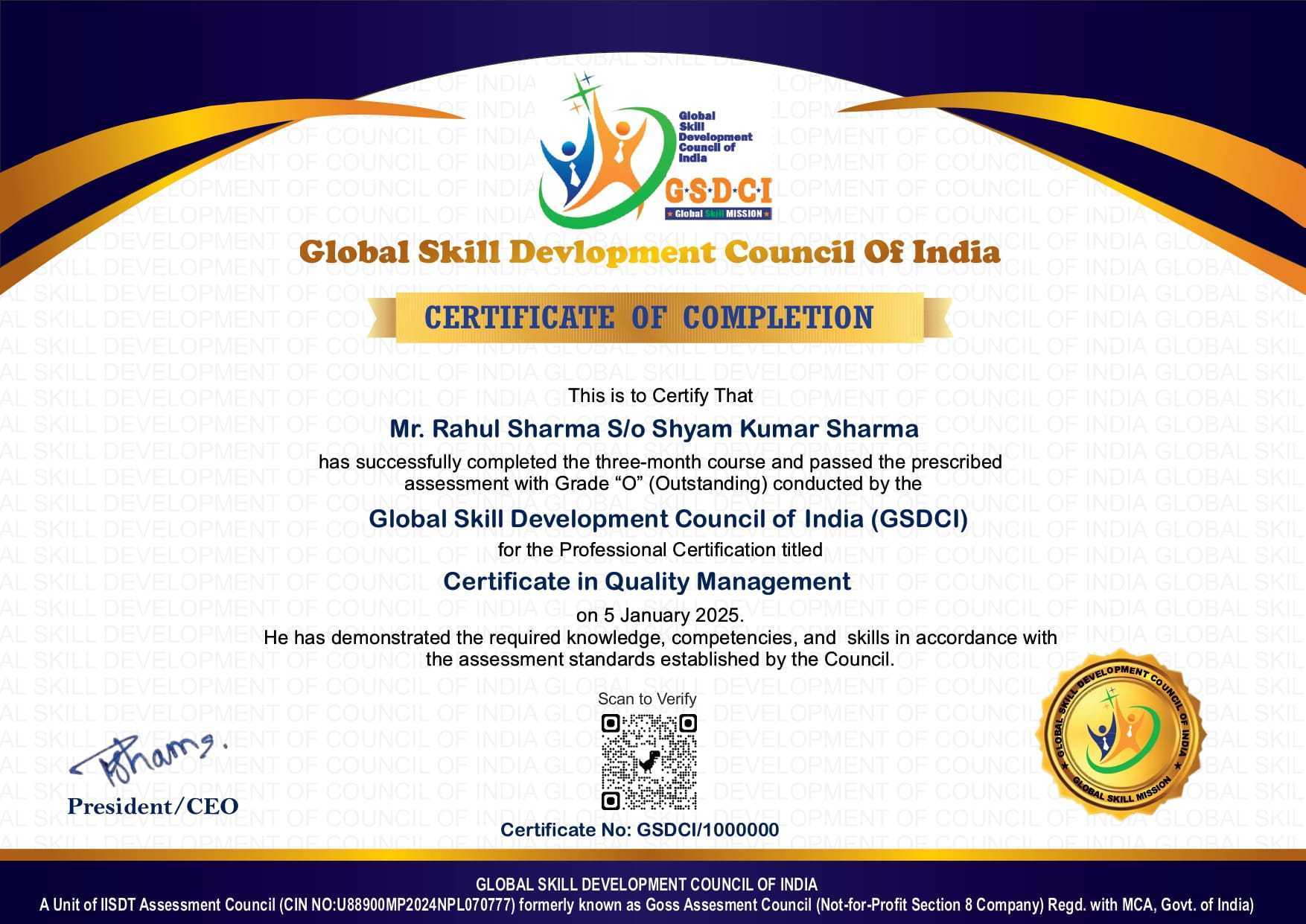
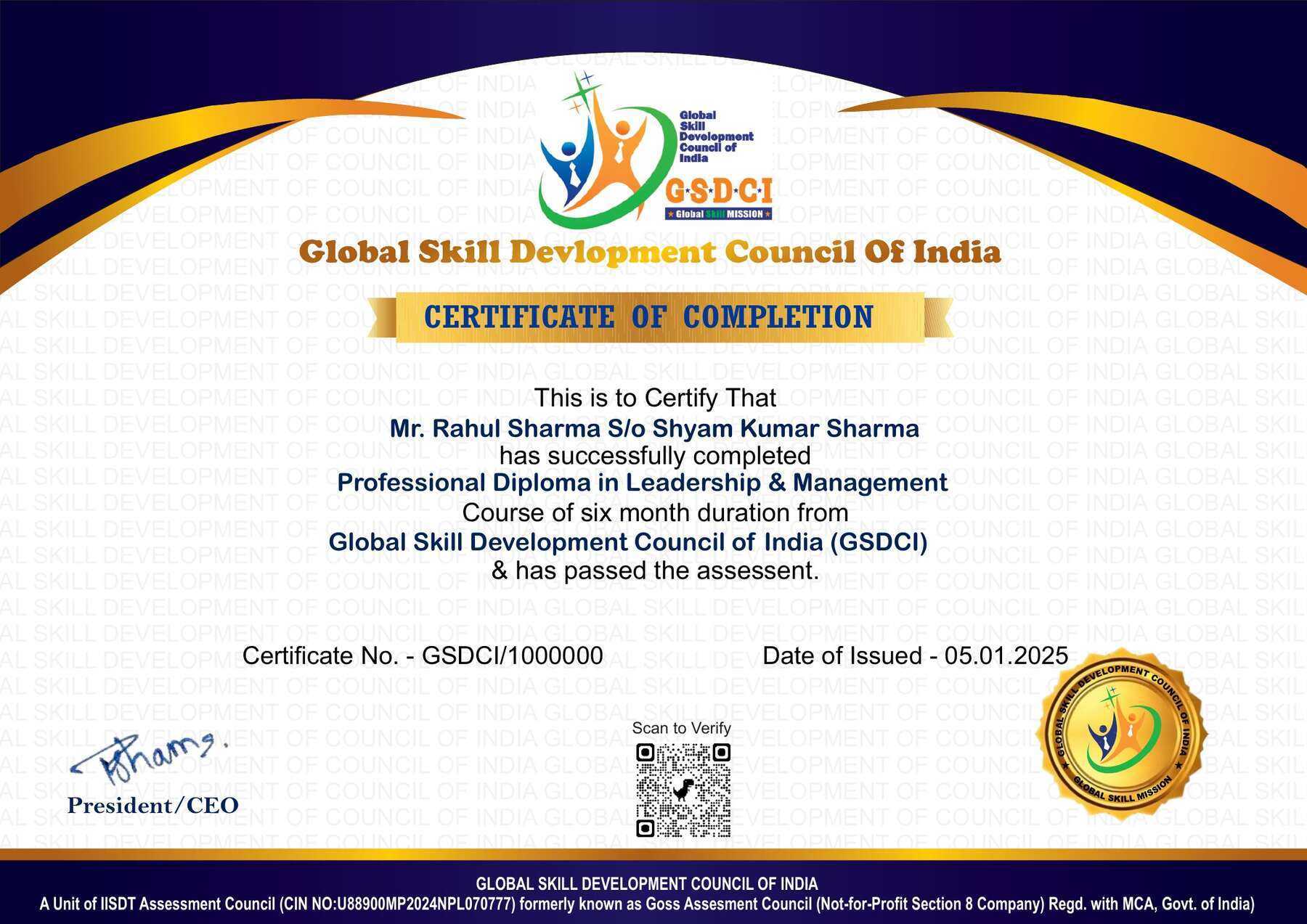
Step 6: After completion of the online assessment, the soft copy of your certificate will be sent to your registered email ID within 5 days.

Assessment Modules:

Module 1: Introduction to Passive Fire Protection (PFP) and Fire Dynamics: Understanding fire behavior and development in built environments, Role and importance of passive fire protection in fire safety, Difference between passive and active fire protection systems, Key components of a passive fire strategy, Fire resistance ratings and time-temperature curves, Regulatory frameworks and standards (NFPA, EN, ISO, NBC).

Module 2: Fire-Resistant Construction Materials and Systems: Types of fire-resistant materials (gypsum, calcium silicate, concrete, mineral wool), Fire-rated walls, floors, ceilings, and partitions, Compartmentation and fire zone creation, Fire-resistive glazing and doors, Penetration sealing and firestopping systems, Testing standards for material performance (ASTM E119, BS 476, EN 1364).

Module 3: Firestopping and Compartmentation Techniques: Penetration sealing for cables, pipes, and ducts, Installation techniques for fire collars, wraps, and mortars, Fire-resistant joint systems and movement accommodation, Fire dampers and barriers in ducting systems, Ensuring integrity of fire-rated walls and floors, Inspection and maintenance of firestop systems.

Module 4: Structural Fire Protection and Load-Bearing Safety: Protection of steel, concrete, and timber structural elements, Intumescent coatings and sprays: application and performance, Vermiculite sprays and cementitious fireproofing, Encapsulation systems and cladding techniques, Passive fire design for industrial and high-rise buildings, Testing and certification of structural protection methods.

Module 5: Installation Guidelines, Quality Assurance, and Inspection: Manufacturer instructions and best practices for PFP installation, Third-party certification and approved installer systems, Site inspection protocols and compliance verification, Documentation and photographic evidence for quality assurance, Maintenance schedules and access panel inspections, Use of PFP inspection checklists and audit tools.

Module 6: Codes, Compliance, and Project Integration: National and international code compliance (NBC Part IV, NFPA 5000, IBC), Role of passive fire protection in overall fire safety design, Coordination with architects, engineers, and fire consultants, Fire risk assessment integration and PFP documentation, Common non-compliance issues and rectification measures, Case studies on PFP effectiveness and failure analysis.

GSDCI Online Assessment Detail:

  • Duration- 60 minutes.
  • Number of Questions- 30.
  • Number of Questions from each module: 5.
  • Language: English.
  • Exam Type: Multiple Choice Questions.
  • Maximum Marks- 100, Passing Marks- 50%.
  • There is no negative marking in any module.
Marking System:
S.No. No. of Questions Marks Each Question Total Marks
1 10 5 50
2 5 4 20
3 5 3 15
4 5 2 10
5 5 1 5
30   100
How Students will be Graded:
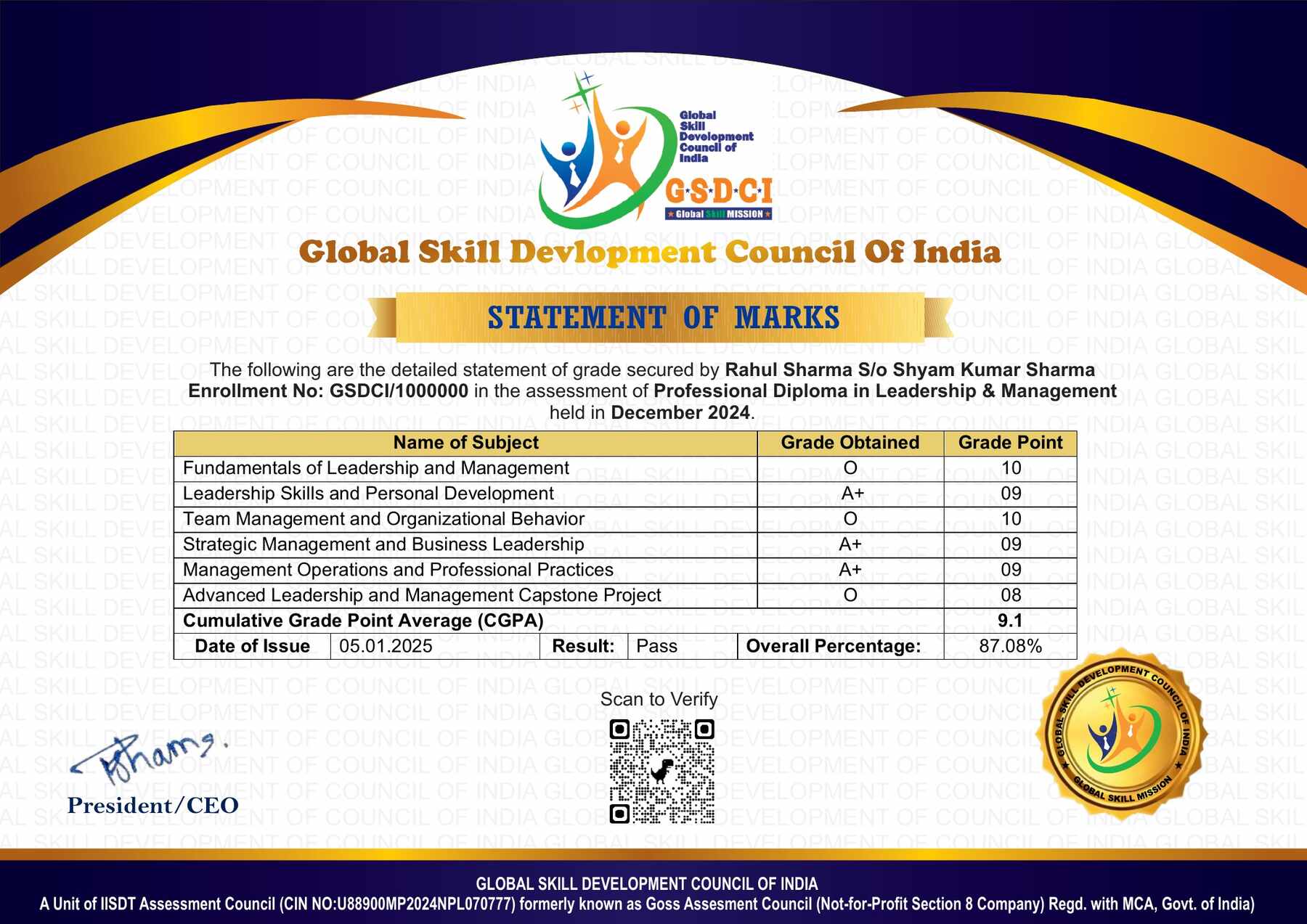
S.No. Marks Grade
1 91-100 O (Outstanding)
2 81-90 A+ (Excellent)
3 71-80 A (Very Good)
4 61-70 B (Good)
5 50-60 P (Pass)
6  0-49 F (Fail)


Benefits of Certification:

1. Global Recognition & Credibility – Stand out worldwide with a certification that strengthens your professional profile across borders and demonstrates your skills to employers and institutions.

2. Quality Assurance through ISO Certification – Programs follow an ISO-certified quality management system to promote consistency, reliability, and a standardized learning experience.

3. Career Advancement & Employability – Enhance your résumé, demonstrate professional competence, and improve your prospects for career growth, promotions, or suitable job opportunities.

4. Non-Profit Trust Factor – Certification from a non-profit organization reflects a mission-driven approach focused on skill development, professional learning, and public benefit.

5. Access to Learning Resources – Gain access to useful learning resources such as e-books, mock tests, assessments, and online academic support.

6. Transparency & Online Verification – Each certification includes a unique enrolment or certificate ID, enabling convenient online verification by employers and other interested parties.

7. Lifetime or Long-Term Validity – Certifications may offer lifetime or extended validity, reducing the need for frequent renewal, subject to the applicable certification scheme.

Course Rating

4.8/5
★★★★★
★★★★★

Based on 46 student ratings

Highly Rated Course

Reviews

There are no reviews yet.

Be the first to review “Certificate in Passive Fire Protection Systems”

Your email address will not be published. Required fields are marked *

A 50% fee concession is applicable on all certification up to 30th September 2026.

9
  • Item added to cart
9
Your Certification Detail
Online Course Certified Environmental Impact Assessment Specialist
Certificate in Environmental Impact Assessment & Management
1 X
₹6,500.00 ₹3,250.00
= ₹3,250.00
Online Course Certified Permit to Work System Operator
Certificate in Permit to Work System Management
1 X
₹6,000.00 ₹3,000.00
= ₹3,000.00
Online Course Certified Professional Health, Safety, and Environment (HSE) Manager
Certificate in Health, Safety & Environment (HSE) Management
1 X
₹6,500.00 ₹3,250.00
= ₹3,250.00
Online Course Certified Confined Space Supervisor
Certificate in Confined Space Safety Management
1 X
₹6,000.00 ₹3,000.00
= ₹3,000.00
Online Course Certified Chemical Firefighter
Certificate in Chemical Firefighting & Safety
1 X
₹6,000.00 ₹3,000.00
= ₹3,000.00
Online Course Certified Fire Prevention Specialist
Certificate in Fire Prevention Management
1 X
₹6,500.00 ₹3,250.00
= ₹3,250.00
Online Course Certified Professional Health and Safety Officer
Certificate in Health & Safety Management
1 X
₹6,000.00 ₹3,000.00
= ₹3,000.00
Online Course Certified Arc Flash Safety Specialist
Certificate in Arc Flash Safety Management
1 X
₹6,500.00 ₹3,250.00
= ₹3,250.00
Online Course Certified Safety Supervisor
Certificate in Safety Supervision & Management
1 X
₹6,000.00 ₹3,000.00
= ₹3,000.00